

[PVC Resin Positive Pressure and Negative Pressure Conveying: A Comparative Analysis of Two Pneumati
Shandong HeadPowder Engineering Co., Ltd., a leading manufacturer in the field of material handling solutions, specializes in providing advanced pneumatic conveying systems tailored to the unique requirements of various industries. With a focus on efficiency, reliability, and cost-effectiveness, the company has developed cutting-edge technologies for transporting bulk materials, including PVC resin, which is widely used in manufacturing applications such as plastic products, construction materials, and chemical processing. This article provides a detailed comparison between positive pressure and negative pressure conveying methods, highlighting their respective advantages, limitations, and practical applications in the context of PVC resin handling.
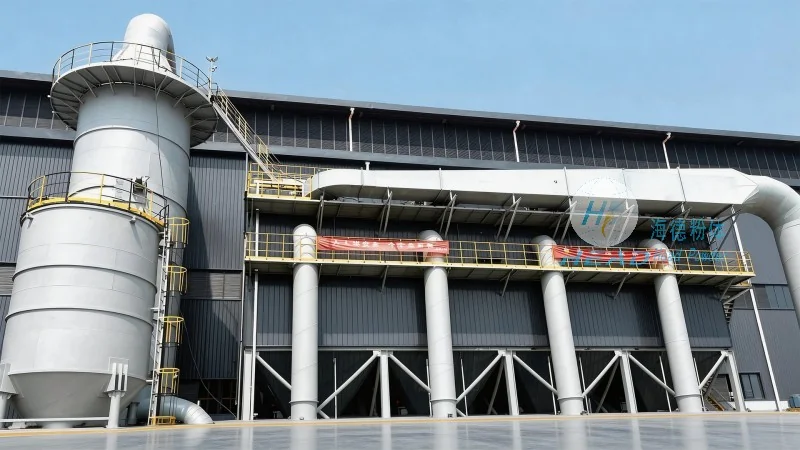
Introduction to Pneumatic Conveying for PVC Resin
PVC resin, a versatile polymer used in numerous industrial sectors, often requires specialized handling due to its granular or powder form. Traditional methods like belt conveyors or bucket elevators may not be suitable for certain applications, particularly when dealing with fine powders or when long-distance transport is needed. Pneumatic conveying, which uses air or gas to move materials through a pipeline system, offers a flexible and efficient solution for transporting PVC resin. Two primary methods exist: positive pressure (or pressure) conveying and negative pressure (or vacuum) conveying. Each method has distinct characteristics that make it suitable for different operational scenarios.
Positive Pressure Conveying: Advantages and Applications
Positive pressure conveying operates by blowing air or gas into the conveying line, creating a pressure higher than the ambient air pressure. This method is particularly effective for transporting PVC resin over long distances or through complex pipeline networks. The primary advantages of positive pressure systems include high conveying capacity, the ability to handle abrasive or corrosive materials without additional wear components, and the flexibility to integrate with existing industrial setups. For example, in a PVC resin production facility, a positive pressure system can efficiently transport resin from storage silos to processing units, ensuring a continuous and uninterrupted supply. Additionally, positive pressure conveying is less susceptible to clogging compared to vacuum systems, as the high pressure helps maintain the flow of material through the pipeline. The system typically uses positive displacement blowers or centrifugal fans to generate the necessary pressure, with the air being filtered and recycled to minimize dust emissions and maintain environmental compliance.
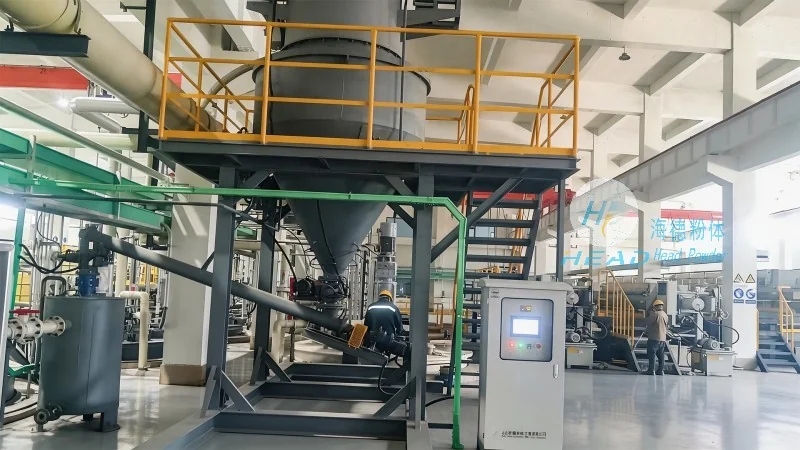
Negative Pressure Conveying: Characteristics and Use Cases
Negative pressure conveying, also known as vacuum conveying, works by creating a vacuum in the conveying line, which draws material from the source into the system. This method is commonly used for short to medium-distance transport and is particularly suitable for handling fine powders or materials that are sensitive to pressure changes. The key advantages of negative pressure systems include lower energy consumption compared to positive pressure systems, as they require less power to maintain the vacuum. Additionally, vacuum conveying is ideal for applications where the material needs to be transported from a lower elevation to a higher one, as the vacuum helps pull the material upward. However, negative pressure systems are more prone to clogging and may require more frequent maintenance, especially when handling highly abrasive or sticky PVC resin. The system typically employs rotary vane pumps or Roots blowers to create the vacuum, with the air being filtered to remove any residual material particles and prevent contamination.
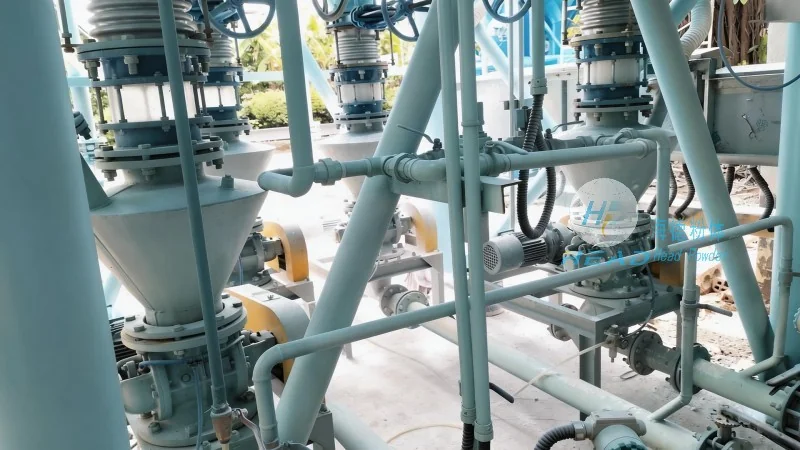
Comparative Analysis: Positive vs. Negative Pressure Conveying
When selecting between positive and negative pressure conveying for PVC resin, several factors must be considered, including the distance of transport, the material characteristics, the required conveying capacity, and the available infrastructure. Positive pressure systems are generally more suitable for long-distance or high-capacity applications, as they can maintain consistent flow rates over extended pipelines. They are also better equipped to handle materials with higher moisture content or those that are prone to clumping, as the high pressure helps break up agglomerates and maintain a smooth flow. On the other hand, negative pressure systems are preferred for short-distance transport or when the material is highly sensitive to pressure changes, as they create a gentle suction that minimizes material degradation. The choice also depends on the environmental regulations in the operating region; positive pressure systems may require additional filtration to prevent dust emissions, while negative pressure systems may need to ensure adequate ventilation to avoid the accumulation of dust in the system.
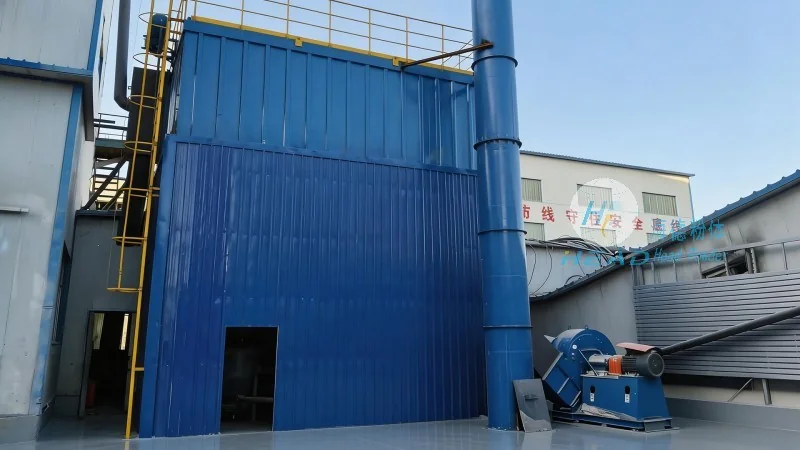
Practical Considerations and Recommendations
For industries dealing with PVC resin, the decision between positive and negative pressure conveying should be based on a thorough evaluation of operational needs and cost implications. Positive pressure systems may have higher initial investment costs due to the need for robust blowers and more complex pipeline designs, but they offer long-term benefits in terms of reliability and reduced maintenance. Negative pressure systems, while potentially less expensive to install, may require more frequent cleaning and maintenance to prevent clogging and ensure consistent performance. Shandong HeadPowder Engineering Co., Ltd. recommends conducting a pilot test to assess the suitability of each system for specific PVC resin handling requirements. Factors such as the resin's particle size, moisture content, and flow characteristics should be carefully analyzed to determine the optimal conveying method. Additionally, the company offers customized solutions that integrate both positive and negative pressure components, allowing for hybrid systems that combine the advantages of both approaches. For instance, a hybrid system might use positive pressure for the initial transport from the storage silo and then switch to negative pressure for the final delivery to the processing unit, optimizing both efficiency and cost.
Conclusion
In conclusion, both positive pressure and negative pressure pneumatic conveying methods offer viable solutions for transporting PVC resin, each with its own set of advantages and limitations. Positive pressure systems excel in long-distance, high-capacity applications, while negative pressure systems are better suited for short-distance or sensitive material handling. The choice ultimately depends on the specific operational requirements, material characteristics, and cost considerations of the end-user. Shandong HeadPowder Engineering Co., Ltd. continues to innovate in the field of material handling, providing tailored solutions that enhance the efficiency and reliability of PVC resin transportation. By understanding the nuances of each conveying method and selecting the appropriate system, industries can achieve optimal performance and minimize operational costs in their PVC resin handling processes.