

Comparative Analysis of Positive Pressure and Negative Pressure Conveying for Sodium Hydroxide: A St
Sodium hydroxide, commonly known as caustic soda, is a widely used chemical in various industrial processes, including manufacturing, water treatment, and chemical synthesis. The efficient and safe transportation of this material is crucial for maintaining operational efficiency and ensuring workplace safety. Pneumatic conveying systems offer a reliable method for moving sodium hydroxide from storage to processing units, with two primary approaches: positive pressure and negative pressure conveying. This analysis explores the characteristics, advantages, and limitations of each method to help industrial operators select the most suitable option for their specific needs.
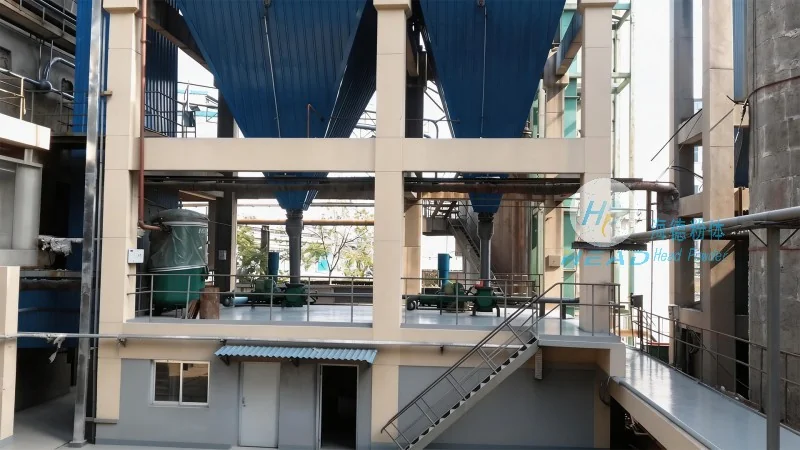
Positive Pressure Conveying Systems
Positive pressure conveying, also referred to as pressure pneumatic conveying, operates by generating a higher pressure inside the conveying line compared to the ambient environment. In this system, a positive pressure blower or compressor supplies compressed air to the material feed point, where the sodium hydroxide is introduced into the line. The air then carries the material through the pipeline to the destination point, such as a storage tank or processing equipment. The key components of a positive pressure system include a feed hopper, a rotary airlock valve, a positive pressure blower, and a discharge unit.
One of the main advantages of positive pressure conveying is its ability to handle a wide range of material properties, including abrasive or corrosive substances like sodium hydroxide. The high pressure ensures that the material is fully suspended and transported without clogging, which is particularly beneficial for handling powders that are prone to bridging or agglomeration. Additionally, positive pressure systems can operate over longer distances and through complex pipeline networks, making them suitable for large-scale industrial applications. However, these systems require robust equipment to withstand the higher pressures, which can increase initial capital costs and maintenance requirements. The compressed air also contributes to higher energy consumption compared to other conveying methods.
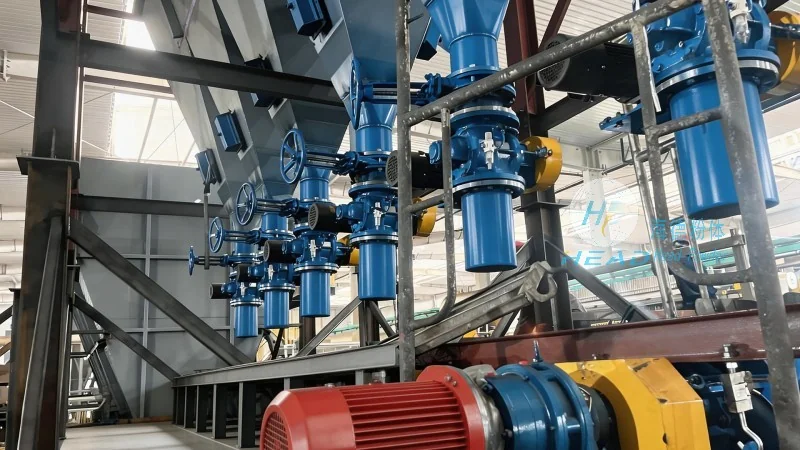
Negative Pressure Conveying Systems
Negative pressure conveying, or vacuum pneumatic conveying, works by creating a lower pressure inside the conveying line than the surrounding atmosphere. A vacuum pump is used to draw air and the material from the feed point into the pipeline, moving it toward the discharge point. The system typically includes a feed hopper with a rotary valve, a vacuum pump, and a filter or cyclone to separate the material from the air at the discharge end. Unlike positive pressure systems, negative pressure conveying does not require high-pressure components, which can reduce the overall cost of the system.
A significant advantage of negative pressure systems is their lower energy consumption, as they rely on the vacuum pump rather than a high-pressure blower. This makes them more energy-efficient, especially for shorter conveying distances. The reduced equipment complexity also translates to lower maintenance costs and a simpler installation process. However, negative pressure conveying has limitations in terms of material handling. It is generally less effective for abrasive or corrosive materials like sodium hydroxide, as the lower pressure may not provide sufficient suspension, leading to potential blockages or reduced conveying efficiency. Additionally, the system is more susceptible to air leaks, which can affect the vacuum level and overall performance.
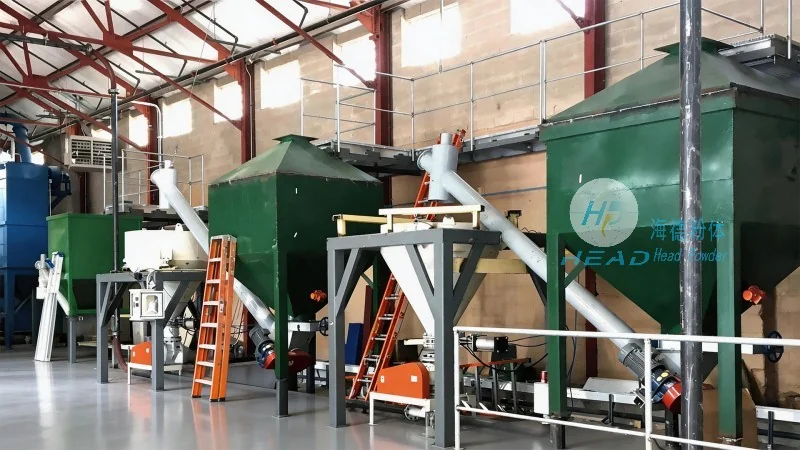
Comparative Analysis: Positive vs. Negative Pressure Conveying
When comparing positive and negative pressure conveying for sodium hydroxide, several factors must be considered to determine the optimal choice. The primary considerations include material properties, conveying distance, system complexity, and operational costs. For instance, if the application involves long-distance transportation or the handling of abrasive materials, positive pressure conveying is often the preferred option due to its superior material suspension and reliability. Conversely, for shorter distances and less demanding material characteristics, negative pressure systems may offer a more cost-effective solution.
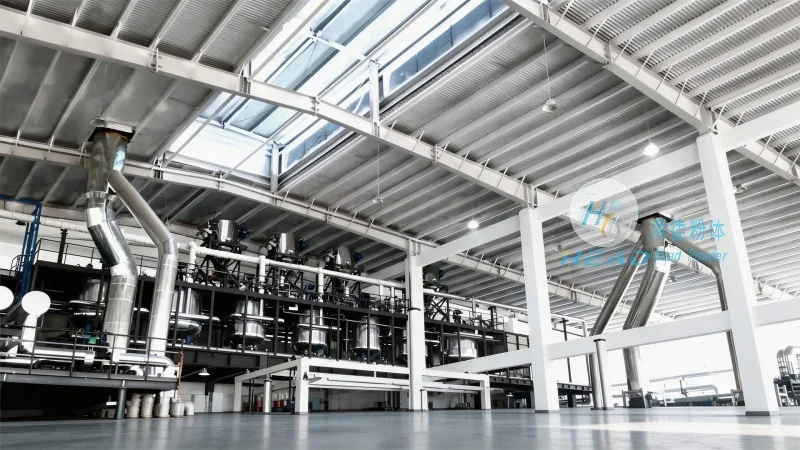
Energy consumption is another critical factor. Positive pressure systems typically consume more energy due to the operation of high-pressure blowers, while negative pressure systems are more energy-efficient. Maintenance requirements also differ, with positive pressure systems requiring more robust components and regular checks on pressure levels, whereas negative pressure systems have simpler components that are easier to maintain. The choice between the two methods also depends on the specific industrial environment and safety regulations. For example, in facilities where explosion-proof equipment is required, the design of the system must adhere to strict safety standards, which may influence the selection of positive or negative pressure technology.
Application Examples and Practical Considerations
Real-world applications of positive and negative pressure conveying for sodium hydroxide illustrate the practical implications of each method. In a large-scale chemical plant, a positive pressure system might be used to transport sodium hydroxide from a storage silo to a reaction vessel over a distance of several hundred meters, ensuring consistent flow and preventing material degradation. The system would be equipped with a high-capacity blower and a robust pipeline network to handle the abrasive nature of the material. On the other hand, a negative pressure system could be employed in a smaller facility for short-distance conveying, such as moving sodium hydroxide from a hopper to a mixing tank within a few meters. The lower cost and simpler design of the negative pressure system would make it more economical for this application.