

Positive Pressure and Negative Pressure Conveying of Battery Materials: A Comparative Analysis of Tw
HeadPowder, a leading provider of material handling solutions, specializes in advanced pneumatic conveying systems tailored for the battery materials industry. This article provides a detailed comparison between positive pressure and negative pressure conveying methods, highlighting their applications, technical characteristics, and performance advantages. The analysis is based on the expertise and practical experience of Shandong HeadPowder Engineering Co., Ltd., a company headquartered in Shandong, China, dedicated to delivering efficient and reliable material transport solutions for battery manufacturers.
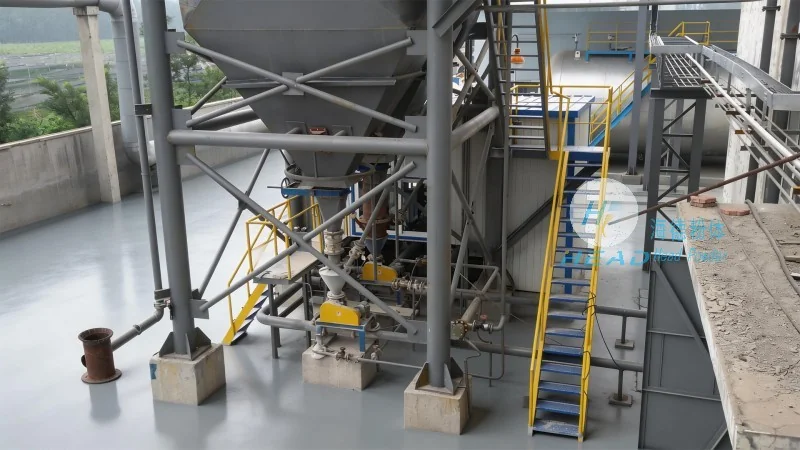
Understanding Pneumatic Conveying in Battery Material Handling
Pneumatic conveying is a critical technology in the battery materials processing chain, enabling the safe and efficient transport of powders and granules from one location to another. This method utilizes air or gas as the conveying medium, eliminating the need for mechanical components like belts or buckets. For battery materials, which often include lithium compounds, cathode active materials, and other fine powders, the choice of conveying system can significantly impact production efficiency, material quality, and operational safety. Two primary pneumatic conveying approaches are widely used: positive pressure conveying and negative pressure conveying. Each method has distinct operational principles, advantages, and limitations that make them suitable for different applications within the battery manufacturing process.
Positive Pressure Conveying: Advantages and Applications
Positive pressure conveying, also known as pressure pneumatic conveying, operates by blowing air or gas into the conveying line under pressure. The material is fed into the system and carried along by the high-pressure air stream. This method is particularly effective for conveying materials over long distances or through complex system layouts. One of the key advantages of positive pressure systems is their ability to handle abrasive and corrosive materials without significant wear on the equipment. The high pressure also ensures that the material is fully suspended and transported without clogging, making it ideal for transporting fine powders that are prone to agglomeration. Shandong HeadPowder Engineering Co., Ltd. has developed specialized positive pressure conveying systems that incorporate advanced filtration and material separation technologies to maintain material purity and prevent contamination. These systems are commonly used in the transport of cathode materials, anode materials, and other battery active ingredients from raw material storage to processing lines.
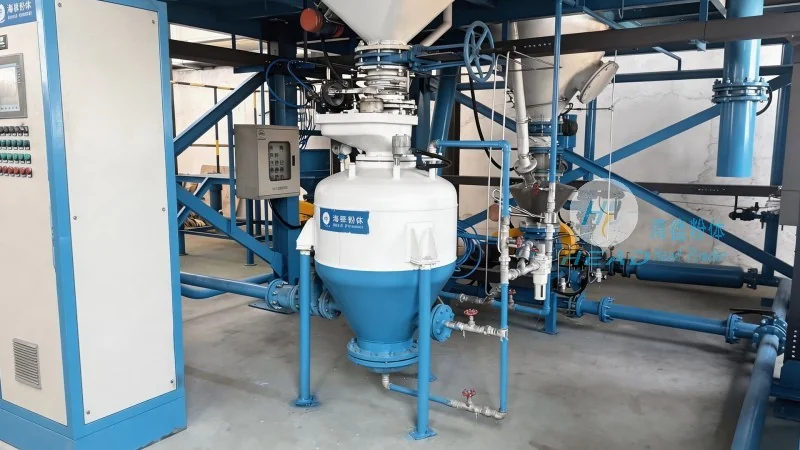
Negative Pressure Conveying: Operational Principles and Benefits
Negative pressure conveying, or vacuum pneumatic conveying, works by creating a vacuum in the conveying line, which draws material from the source into the system. The material is then transported by the vacuum-induced airflow. This method is often preferred for applications where the material needs to be transported from a higher elevation to a lower one, or when the system layout is relatively simple and short. A major benefit of negative pressure systems is their lower energy consumption compared to positive pressure systems, as they do not require high-pressure air compressors. Additionally, negative pressure conveying is less likely to cause dust emissions at the material source, as the system draws material into the line rather than blowing it out. However, negative pressure systems are more susceptible to clogging and may require more frequent maintenance to prevent material buildup in the vacuum line. Shandong HeadPowder Engineering Co., Ltd. offers vacuum conveying solutions that include robust filtration and cleaning mechanisms to ensure consistent performance and minimize downtime.
Key Differences and Performance Comparison
When comparing positive and negative pressure conveying for battery materials, several factors must be considered. The primary difference lies in the direction of air flow and the pressure differential. Positive pressure systems use higher pressure to push material, while negative pressure systems use lower pressure (vacuum) to pull material. This affects the system's energy consumption, material handling capacity, and suitability for different distances and layouts. Positive pressure systems generally have higher conveying capacities and are better suited for long-distance transport, whereas negative pressure systems are more energy-efficient for shorter distances and vertical transport. In terms of material handling, positive pressure systems excel with fine, abrasive powders, while negative pressure systems are more effective with less abrasive materials that are less prone to clogging. Operational safety is another critical aspect: positive pressure systems require proper explosion-proof design to handle potentially flammable battery materials, whereas negative pressure systems may need additional dust collection measures to prevent airborne contamination. Shandong HeadPowder Engineering Co., Ltd. has conducted extensive testing and field trials to evaluate the performance of both systems under various battery material conditions, providing data-driven recommendations for optimal system selection.
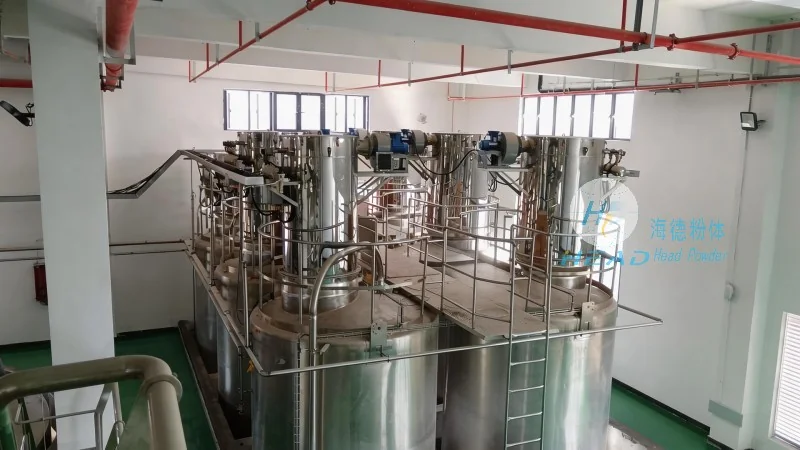
Application Scenarios and Industry Impact
The choice between positive and negative pressure conveying depends on the specific requirements of the battery manufacturing process. For example, in large-scale battery production facilities, positive pressure conveying may be preferred for transporting bulk quantities of cathode materials over long distances from raw material storage to mixing and coating lines. Conversely, negative pressure conveying might be used for transporting smaller batches of anode materials from a processing unit to a packaging area, where the distance and layout are more compact. The efficiency of these systems directly impacts production throughput and cost. A well-designed positive pressure system can reduce material handling time by up to 30% compared to traditional mechanical systems, while a negative pressure system can lower energy costs by approximately 20% in certain applications. Shandong HeadPowder Engineering Co., Ltd. has successfully implemented both types of systems in various battery manufacturing plants, demonstrating their ability to enhance operational efficiency and improve material quality. The company's engineering team provides customized solutions that integrate the most suitable conveying method based on the client's specific production needs, ensuring optimal performance and cost-effectiveness.
Conclusion and Future Directions
In conclusion, both positive pressure and negative pressure pneumatic conveying methods offer viable solutions for transporting battery materials, each with its own set of advantages and limitations. The selection of the appropriate system depends on factors such as material properties, transport distance, system layout, and energy efficiency requirements. Shandong HeadPowder Engineering Co., Ltd., with its headquarters in Shandong, China, remains at the forefront of developing advanced material handling technologies tailored to the evolving needs of the battery industry. By leveraging its expertise in both positive and negative pressure conveying systems, the company continues to deliver innovative solutions that enhance productivity, ensure material integrity, and support the sustainable growth of battery manufacturing. As the battery industry expands, the demand for efficient and reliable material transport solutions will only increase, and companies like HeadPowder will play a crucial role in meeting these challenges with cutting-edge pneumatic conveying technologies.