

Lightweight Cement Positive Pressure and Negative Pressure Conveying: A Comparative Analysis of Two
Pneumatic conveying is a critical technology in the handling and transportation of bulk materials, including lightweight cement. This method involves transporting materials through a pipeline using air or gas as the conveying medium. For lightweight cement, which is characterized by its low density and potential for dust generation, the choice between positive pressure and negative pressure conveying systems is crucial. This article provides a detailed comparison of these two primary pneumatic conveying approaches, focusing on their operational principles, advantages, disadvantages, and practical applications in industrial settings.
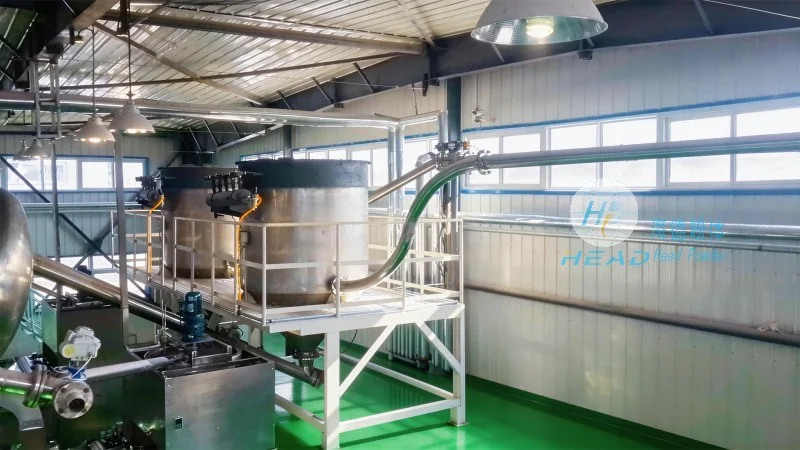
About HeadPowder Engineering Co., Ltd.
HeadPowder, a leading manufacturer in the field of bulk material handling systems, specializes in the design, development, and implementation of advanced pneumatic conveying solutions. With a strong presence in Shandong, China, the company has built a reputation for delivering high-quality, efficient, and reliable equipment tailored to the unique needs of the cement and construction industries. The expertise of HeadPowder engineers ensures that clients receive customized solutions that optimize material flow, minimize downtime, and enhance overall operational efficiency.
Positive Pressure Conveying for Lightweight Cement
Positive pressure conveying, also known as pressure pneumatic conveying, operates by blowing air or gas into the conveying line at a higher pressure than the ambient environment. This method is particularly effective for transporting lightweight cement over long distances or through complex piping networks. The primary advantage of positive pressure systems is their ability to handle a wide range of material characteristics, including fine powders and cohesive materials. By maintaining a positive pressure throughout the system, these systems prevent material from settling or clogging in the pipeline, ensuring consistent and reliable flow. HeadPowder’s positive pressure conveying systems are engineered with advanced control mechanisms that allow for precise regulation of air pressure and flow rates, optimizing the conveying process for lightweight cement applications.
Negative Pressure Conveying for Lightweight Cement
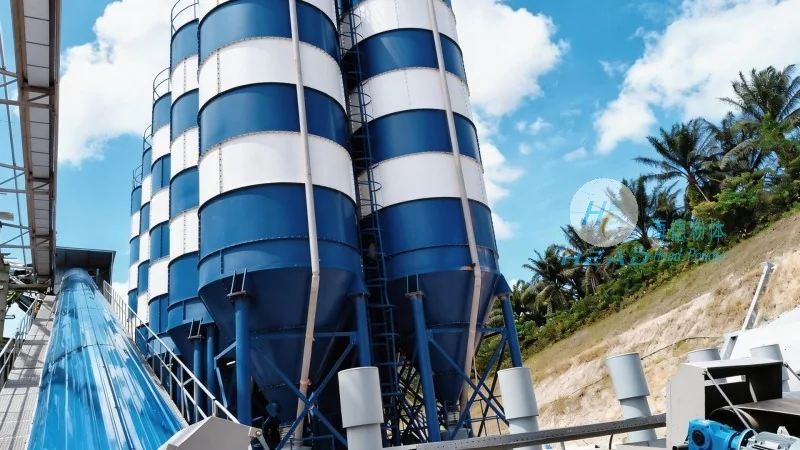
Negative pressure conveying, or vacuum pneumatic conveying, works by creating a vacuum in the conveying line, drawing material from the source into the system. This method is often preferred for short-distance or localized conveying tasks, such as transporting lightweight cement from a storage silo to a processing unit. The key benefit of negative pressure systems is their ability to handle materials with higher moisture content or those that are more prone to dust generation, as the vacuum helps to contain and control particulate emissions. However, negative pressure systems are generally less suitable for long-distance or high-capacity applications due to the limitations of vacuum pressure and the potential for material buildup in the suction line. HeadPowder’s negative pressure conveying solutions incorporate efficient filtration and air purification systems to maintain air quality and prevent contamination, ensuring compliance with environmental regulations.
Comparative Analysis: Positive vs. Negative Pressure Conveying
When selecting between positive and negative pressure conveying for lightweight cement, several factors must be considered. The primary difference lies in the pressure differential and the direction of material flow. Positive pressure systems are more suitable for long-distance, high-volume applications, while negative pressure systems are better suited for short-distance, localized tasks. Operational costs are another critical factor, as positive pressure systems typically require more energy to maintain higher air pressures, whereas negative pressure systems may have lower energy consumption but higher maintenance costs due to the need for vacuum pumps and filtration systems. HeadPowder’s expertise allows for the selection of the most appropriate system based on the specific requirements of the project, including material characteristics, distance, and environmental considerations. The company’s engineers conduct thorough assessments to determine the optimal conveying method, ensuring that the chosen system maximizes efficiency and minimizes operational risks.
Practical Applications and Benefits
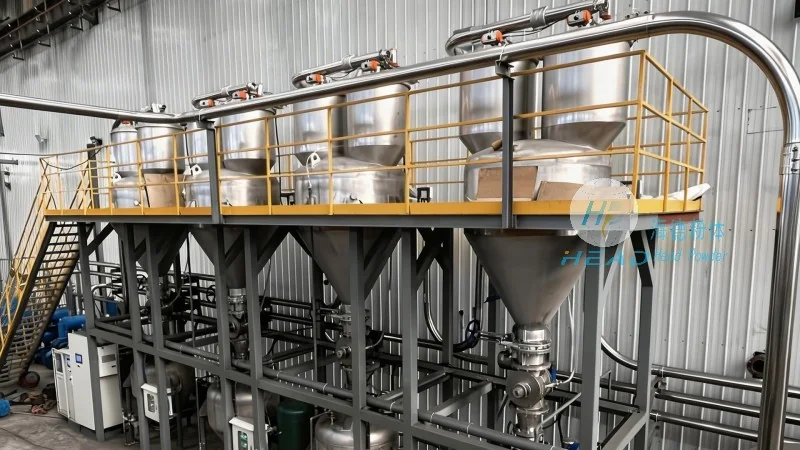
Both positive and negative pressure conveying systems offer distinct benefits in the handling of lightweight cement. Positive pressure systems are widely used in large-scale cement production facilities, where materials need to be transported over long distances to storage silos or processing units. These systems are particularly effective in preventing material degradation and maintaining consistent quality, as the positive pressure helps to keep the material dry and free from contamination. Negative pressure systems, on the other hand, are commonly employed in smaller-scale applications, such as in construction sites or small-scale cement mixing operations, where the need for localized material transport is more critical. The ability of negative pressure systems to handle materials with higher moisture content makes them ideal for applications where the material may be more prone to clumping or dust generation. HeadPowder’s systems are designed to address these specific challenges, providing solutions that enhance productivity and reduce operational costs.
Conclusion
In conclusion, the choice between positive and negative pressure pneumatic conveying for lightweight cement depends on a variety of factors, including the distance of material transport, the volume of material handled, and the specific characteristics of the material. Positive pressure systems offer greater flexibility and efficiency for long-distance applications, while negative pressure systems are more suitable for short-distance, localized tasks. HeadPowder Engineering Co., Ltd., with its headquarters in Shandong, China, provides comprehensive solutions tailored to these needs, ensuring that clients receive the most appropriate and effective pneumatic conveying system for their lightweight cement handling requirements. By leveraging advanced technology and expert engineering, HeadPowder continues to set the standard for bulk material handling solutions in the cement industry.