

[Biomass Pellet Positive Pressure and Negative Pressure Conveying: A Comparative Analysis of Two Pne
When it comes to transporting biomass pellets, especially sawdust and wood chips, the choice between positive pressure and negative pressure pneumatic conveying systems is a critical decision for many industrial applications. Understanding the nuances of each method is essential for optimizing efficiency, cost-effectiveness, and operational reliability. This analysis from Shandong HeadPowder Engineering Co., Ltd. explores the key differences, advantages, and practical considerations of positive pressure and negative pressure conveying systems, providing insights to help businesses select the most suitable solution for their specific needs.
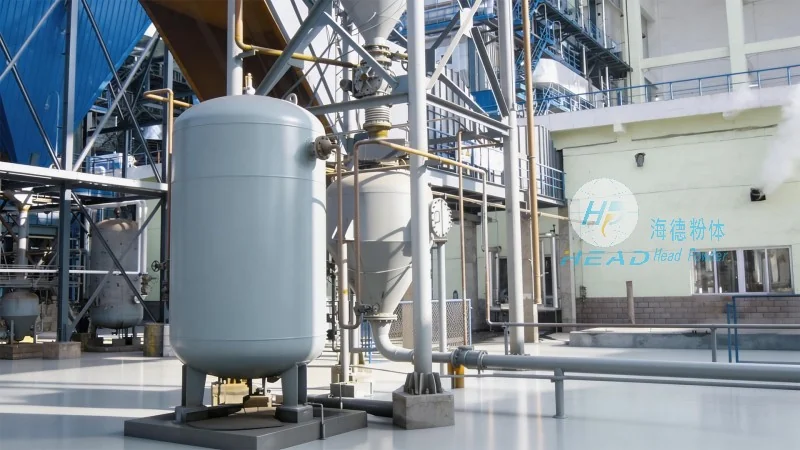
Introduction to Pneumatic Conveying Systems
Pneumatic conveying is a widely used method for transporting bulk materials like biomass pellets through a pipeline using air or gas as the conveying medium. The two primary types are positive pressure and negative pressure systems, each with distinct operational principles and applications. Positive pressure systems force material through the pipeline by blowing air into the material stream, while negative pressure systems draw material into the pipeline by creating a vacuum.
Positive Pressure Conveying Systems
Positive pressure conveying, also known as pressure pneumatic conveying, operates by blowing air or gas into the material to create a high-pressure environment that propels the material through the pipeline. This method is particularly effective for long-distance and high-capacity conveying of biomass pellets. The system typically consists of a blower, a hopper, a feeder, and a pipeline network. The blower generates the necessary pressure to move the material, and the feeder controls the flow rate to maintain consistent conveying performance.
Key advantages of positive pressure systems include high conveying capacity, ability to handle abrasive materials, and suitability for long-distance transport. They are often preferred in applications where the material needs to be transported over significant distances or through complex pipeline configurations. However, these systems require robust equipment to withstand the high pressures and may have higher energy consumption compared to negative pressure systems.
Negative Pressure Conveying Systems
Negative pressure conveying, or vacuum pneumatic conveying, works by creating a vacuum in the pipeline to draw material from the source into the system. The material is then transported through the pipeline and discharged at the destination. This method is commonly used for shorter distances and for materials that are more sensitive to pressure changes or for applications where the material needs to be transported from multiple sources.
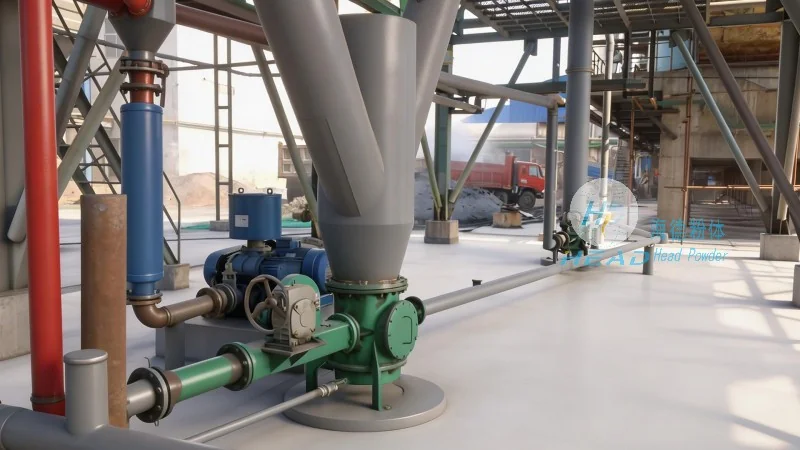
Advantages of negative pressure systems include lower initial investment costs, reduced energy consumption, and the ability to handle materials that are more prone to dust generation or clogging. They are often used in applications where the material is sourced from multiple points or where the conveying distance is relatively short. However, these systems may have lower conveying capacities and are more susceptible to blockages if the material is too fine or contains high moisture content.
Comparison of Positive and Negative Pressure Conveying
When comparing positive and negative pressure conveying systems, several factors need to be considered, including conveying distance, material characteristics, system complexity, and operational costs. Positive pressure systems are generally more suitable for long-distance, high-capacity applications with less abrasive materials, while negative pressure systems are better for shorter distances, lower capacities, or materials that are more sensitive to pressure changes.
From an operational perspective, positive pressure systems require more maintenance due to the higher pressures and wear on components like the blower and pipeline. Negative pressure systems, on the other hand, may require more frequent cleaning of the vacuum pump and pipeline to prevent clogging. The choice between the two also depends on the specific material being transported, such as the size, shape, and moisture content of the biomass pellets, as well as the desired conveying speed and efficiency.
Applications in Biomass Processing
In the biomass processing industry, both positive and negative pressure conveying systems are used for transporting sawdust, wood chips, and other biomass pellets. Positive pressure systems are commonly used in large-scale pellet production facilities where the material needs to be transported over long distances from the grinding or drying units to the pelletizing equipment. Negative pressure systems are often used in smaller facilities or for transporting material from multiple sources, such as from storage silos to the processing line.
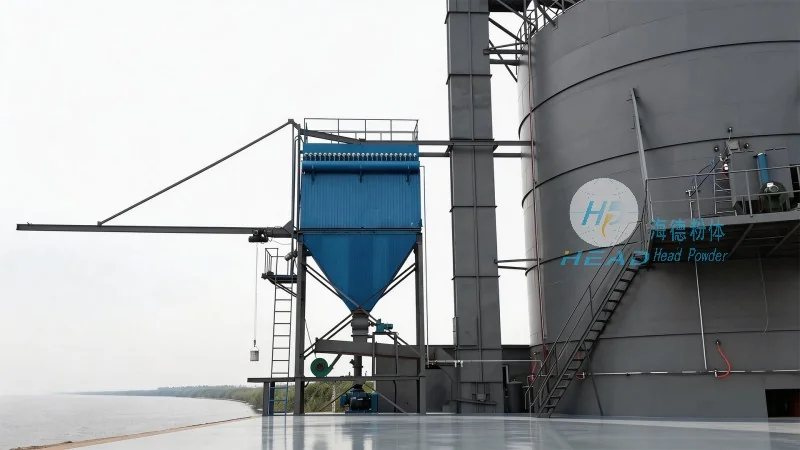
For example, a large biomass power plant may use a positive pressure system to transport wood chips from the storage yard to the boiler, as this allows for high-capacity and long-distance transport. In contrast, a small-scale biomass pellet mill may use a negative pressure system to transport sawdust from the grinding unit to the pelletizer, as this is more cost-effective and suitable for shorter distances.
Key Considerations for System Selection
When selecting between positive and negative pressure conveying systems for biomass pellet transport, several key factors should be evaluated. First, the conveying distance and required capacity are critical. Positive pressure systems are better suited for long distances and high capacities, while negative pressure systems are more appropriate for shorter distances and lower capacities. Second, the material characteristics, such as size, moisture content, and abrasiveness, must be considered. Positive pressure systems are more effective for abrasive materials, while negative pressure systems are better for materials that are more prone to dust generation or clogging. Third, the initial investment and operational costs should be evaluated. Positive pressure systems typically have higher initial costs and energy consumption, while negative pressure systems have lower initial costs and energy consumption.
Additionally, the system complexity and maintenance requirements should be considered. Positive pressure systems require more robust equipment and more frequent maintenance, while negative pressure systems may require more frequent cleaning to prevent clogging. The choice of system should also take into account the specific operational environment, such as the presence of dust or the need for explosion-proof equipment, as these factors can impact the system's performance and safety.
Conclusion
Both positive pressure and negative pressure pneumatic conveying systems have their advantages and are suitable for different applications in the biomass pellet industry. Positive pressure systems are ideal for long-distance, high-capacity transport of biomass pellets, while negative pressure systems are better for shorter distances and lower capacities. The choice between the two depends on the specific requirements of the application, including the material characteristics, conveying distance, and operational costs. By understanding the differences and advantages of each system, businesses can select the most suitable solution to optimize their biomass processing operations and improve overall efficiency.