

Gravity Dust Removal: Positive Pressure and Negative Pressure Pneumatic Conveying - A Comparative An
When it comes to transporting dust and fine particles in industrial applications, especially those involving gravity dust removal systems, selecting the right pneumatic conveying method is crucial. Two primary approaches dominate the market: positive pressure and negative pressure systems. This article provides a detailed comparison of these two methods, focusing on their applications, advantages, and considerations for efficient dust handling in industrial settings.
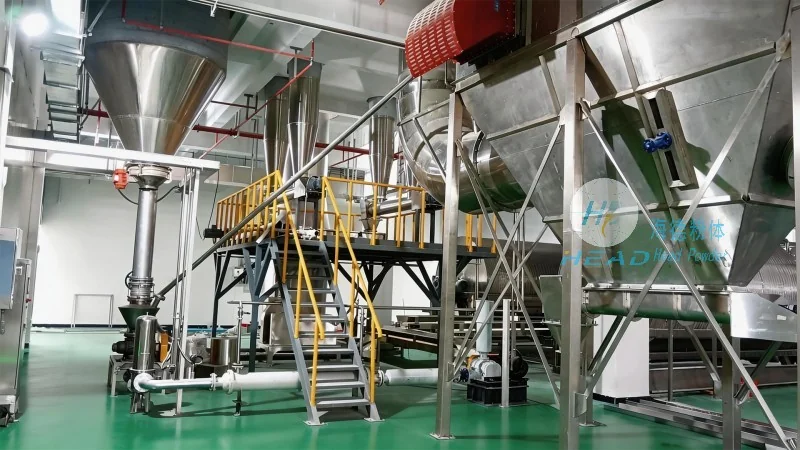
Understanding Positive Pressure Pneumatic Conveying
Positive pressure systems operate by blowing air or a gas mixture into the conveying line, creating a pressure higher than the ambient air. This method is particularly effective for transporting materials over long distances or through complex piping networks. The high pressure ensures that the material is propelled forward, overcoming resistance and maintaining a consistent flow rate. For gravity dust removal, where the material is often dry and light, positive pressure can be an ideal choice, especially when dealing with large volumes of dust that need to be transported to a central collection or processing unit.
One of the key advantages of positive pressure conveying is its ability to handle a wide range of materials, including abrasive and corrosive substances. The system's design allows for the use of various pipe materials, such as stainless steel or plastic, to prevent material degradation and equipment wear. Additionally, positive pressure systems can be integrated with other industrial processes, such as dust collection and filtration, to create a seamless workflow. However, they require more robust equipment and higher energy consumption compared to negative pressure systems, which can be a consideration for facilities with strict energy efficiency targets.
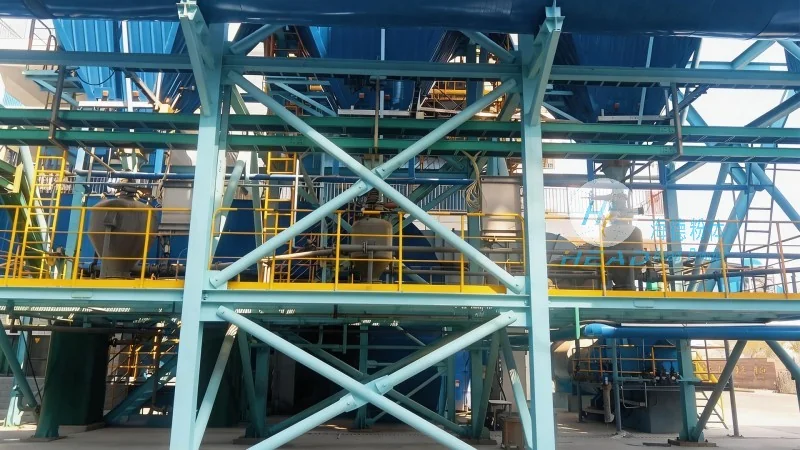
Exploring Negative Pressure Pneumatic Conveying
Negative pressure systems, on the other hand, work by creating a vacuum or reduced pressure inside the conveying line, drawing the material into the system. This approach is commonly used for short-distance or low-volume transport, where the material is less abrasive and the risk of dust leakage is minimal. The lower pressure requirements make negative pressure systems more energy-efficient and easier to maintain, especially for applications involving fine powders that are prone to clogging.
For gravity dust removal, negative pressure conveying is often preferred when the dust is generated in a confined space, such as a workshop or a small industrial plant. The vacuum created helps to capture and transport the dust without the need for high-pressure air, reducing the risk of material dispersion and improving safety. The system's design also allows for the use of flexible hoses or ducts, making it more adaptable to existing infrastructure. However, negative pressure systems are less suitable for long-distance transport or when dealing with heavy or abrasive materials, as the vacuum may not be sufficient to maintain a consistent flow rate.
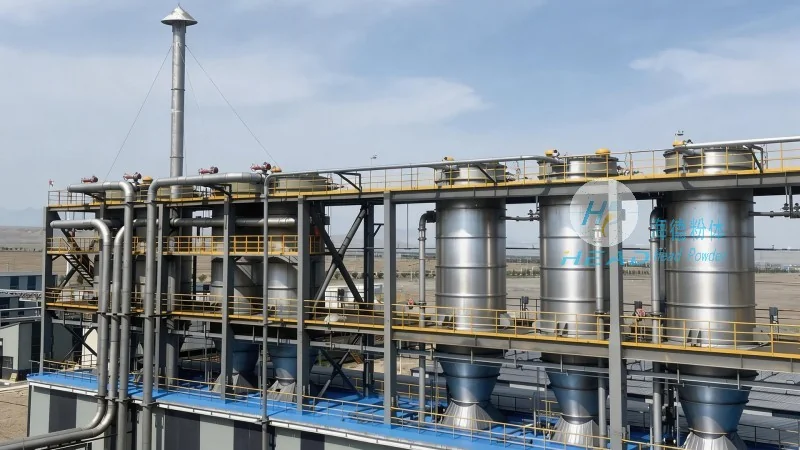
Comparative Analysis: Positive vs. Negative Pressure
When comparing positive and negative pressure pneumatic conveying for gravity dust removal, several factors come into play. The choice between the two methods depends on the specific application requirements, including the distance of transport, the volume of material, the type of material (e.g., abrasive, corrosive), and the available infrastructure. Positive pressure systems excel in long-distance transport and handling of heavy materials, while negative pressure systems are more suitable for short-distance, low-volume applications and environments where energy efficiency and safety are paramount.
From an operational perspective, positive pressure systems require more maintenance due to the higher pressure and potential for wear on components. Regular checks on the air compressor, filters, and pipe connections are necessary to ensure optimal performance. Negative pressure systems, while easier to maintain, may require more frequent cleaning of the vacuum system to prevent clogging from fine particles. The choice of system also impacts the overall cost, with positive pressure systems generally having higher initial investment and operational costs compared to negative pressure systems.
Applications in Gravity Dust Removal
In industrial settings, gravity dust removal systems are commonly used in industries such as cement, mining, and food processing, where fine particles need to be collected and transported to storage or treatment facilities. Positive pressure conveying is often used in cement plants to transport raw materials and finished products over long distances, while negative pressure systems are preferred in food processing facilities to handle fine powders without cross-contamination.
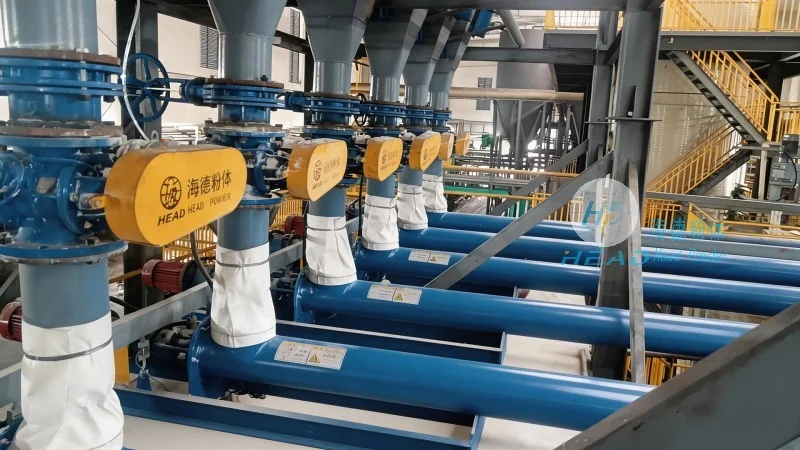
The effectiveness of each system in gravity dust removal is also influenced by the dust characteristics. For example, in mining operations, where the dust is often abrasive and heavy, positive pressure systems are preferred due to their ability to handle high volumes and maintain consistent flow. In contrast, in food processing, where the dust is fine and may contain moisture, negative pressure systems are more suitable to prevent material degradation and ensure product quality.
Conclusion and Recommendations
Both positive and negative pressure pneumatic conveying methods have their unique advantages and are suitable for different gravity dust removal applications. The key to selecting the right system lies in understanding the specific requirements of the industrial process, including the material properties, transport distance, and operational constraints. For facilities seeking to optimize dust handling efficiency while minimizing energy consumption and maintenance costs, a thorough evaluation of both systems is recommended. By considering factors such as material type, transport distance, and infrastructure availability, industrial operators can choose the most appropriate pneumatic conveying method to enhance their gravity dust removal processes.