

Positive Pressure and Negative Pressure Conveying of Lithium-Ion Battery Materials: A Comparative An
HeadPowder, a leading engineering firm based in Shandong, China, specializes in advanced material handling solutions tailored for the lithium-ion battery industry. In this analysis, we delve into the critical comparison between positive pressure and negative pressure pneumatic conveying systems, which are pivotal for efficiently transporting lithium battery materials. These systems are essential for maintaining the integrity and quality of raw materials used in battery production, ensuring optimal performance and safety in the manufacturing process.
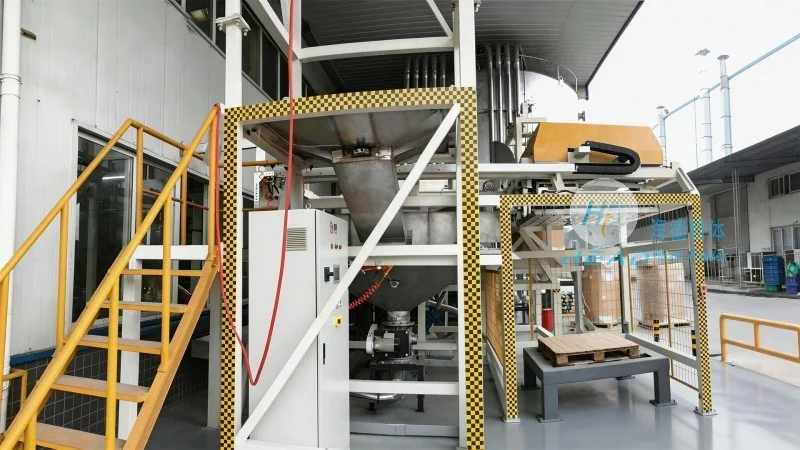
Understanding Pneumatic Conveying Systems
Pneumatic conveying is a method of transporting bulk materials through a pipeline using air or gas as the conveying medium. It is widely adopted in the battery material processing sector due to its ability to handle fine powders and granules with minimal contamination. The two primary types of pneumatic conveying—positive pressure and negative pressure—differ in their operational principles and applications, each offering distinct advantages and challenges.
Positive Pressure Conveying: Advantages and Applications
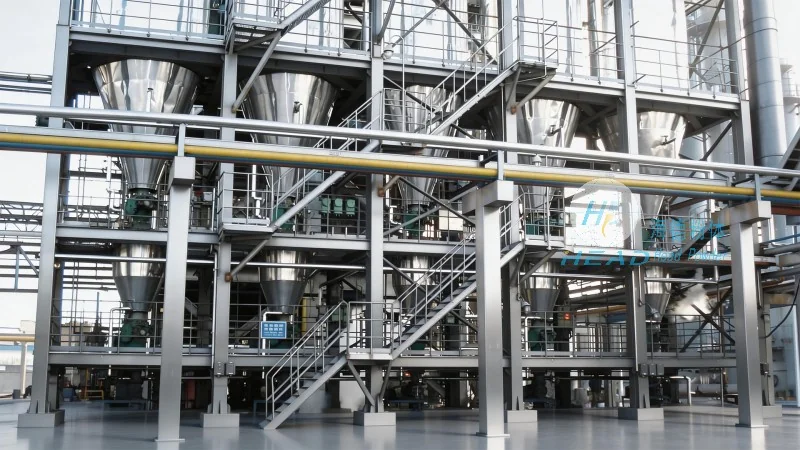
Positive pressure conveying, also known as pressure conveying, operates by generating positive pressure in the conveying line. This is typically achieved using a positive displacement blower or a rotary lobe pump, which forces air and material through the pipeline. The system is characterized by its high conveying capacity and ability to transport materials over long distances, often up to several kilometers. A key advantage of positive pressure systems is their suitability for handling abrasive or corrosive materials, as the high pressure prevents material buildup and ensures consistent flow. Additionally, these systems are effective in conveying materials from multiple sources to a single destination, making them ideal for large-scale battery material processing facilities. However, positive pressure conveying may require more robust equipment and higher energy consumption compared to negative pressure systems, which can impact operational costs.
Negative Pressure Conveying: Advantages and Applications
Negative pressure conveying, or vacuum conveying, works by creating a vacuum in the conveying line, drawing material from the source into the pipeline. This method relies on a vacuum pump to generate the necessary suction force. Negative pressure systems are particularly well-suited for applications requiring gentle material handling, as the low pressure and air flow rates minimize particle degradation and prevent dust generation. They are commonly used for conveying sensitive materials, such as those used in lithium battery cathodes and anodes, where maintaining particle size and morphology is crucial. Another advantage of negative pressure conveying is its ability to handle materials from multiple points and deposit them at a single location, which enhances flexibility in material processing. However, negative pressure systems have limitations in terms of conveying distance and capacity, as the vacuum can be compromised over longer distances or with high material loads. They also require careful maintenance to prevent dust leakage and ensure system efficiency.
Key Differences and Performance Metrics
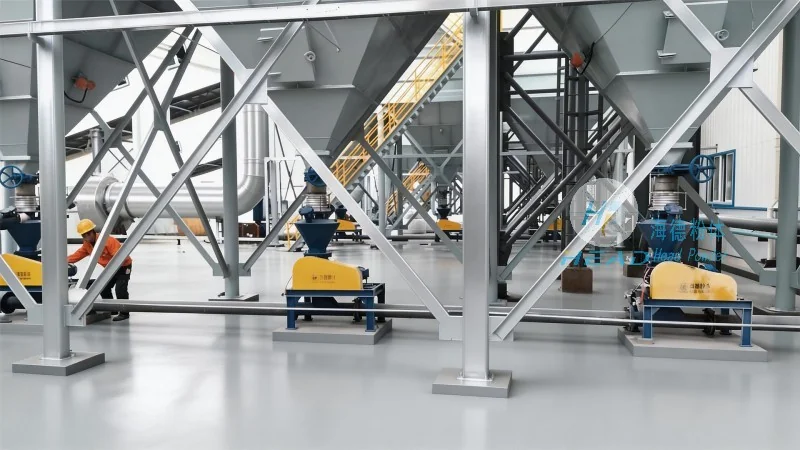
When comparing positive and negative pressure pneumatic conveying systems, several factors come into play, including conveying distance, material characteristics, and operational efficiency. Positive pressure systems generally offer higher conveying rates and longer transport distances, making them suitable for bulk material handling in large battery manufacturing plants. In contrast, negative pressure systems excel in handling fine, sensitive powders and are preferred for applications where material integrity is paramount. Energy consumption is another critical consideration; positive pressure systems typically consume more energy due to the higher pressure requirements, while negative pressure systems may have lower energy costs but higher maintenance demands. The choice between the two systems ultimately depends on the specific requirements of the lithium battery material processing operation, including the type of material, production scale, and budget constraints.
HeadPowder's Expertise in Material Handling Solutions
Shandong HeadPowder Engineering Co., Ltd. leverages its extensive experience in designing and implementing customized pneumatic conveying systems for the lithium-ion battery industry. With a focus on efficiency, reliability, and material integrity, HeadPowder provides tailored solutions that address the unique challenges of battery material handling. The company’s engineering team conducts thorough analyses of material properties, production processes, and operational needs to recommend the most suitable conveying system—whether positive or negative pressure—ensuring optimal performance and cost-effectiveness. By integrating advanced technology and robust design, HeadPowder’s solutions help battery manufacturers enhance productivity, reduce downtime, and maintain the highest standards of material quality. The company’s commitment to innovation and customer satisfaction has established it as a trusted partner in the battery material handling sector, supporting the growth and sustainability of the lithium-ion battery industry.