

[Polyvinyl Butyral Positive Pressure and Negative Pressure Conveying: A Comparative Analysis of Two
When it comes to the efficient and reliable transportation of polyvinyl butyral (PVB), the choice between positive pressure and negative pressure pneumatic conveying systems is a critical decision for many industries. PVB, a versatile polymer widely used in applications such as safety glass, coatings, and adhesives, requires specialized handling to maintain its quality and integrity during transport. This article provides a detailed comparison of positive pressure and negative pressure conveying methods, highlighting their respective advantages, limitations, and suitability for PVB handling.
Understanding PVB and Its Conveying Requirements
Polyvinyl butyral is a synthetic polymer known for its excellent adhesion properties and resistance to moisture. Due to its chemical and physical characteristics, PVB powder or granules often present challenges during material handling, including dust generation, agglomeration, and the need for controlled moisture levels. Effective conveying systems must address these challenges to ensure product quality and operational efficiency. The two primary pneumatic conveying methods—positive pressure and negative pressure—offer distinct approaches to overcoming these challenges.
Positive Pressure Pneumatic Conveying
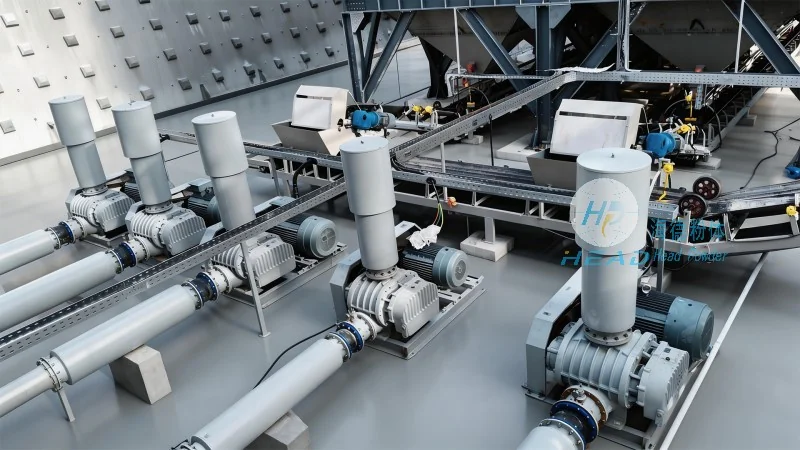
Positive pressure conveying systems operate by blowing air or a carrier gas into the material stream, creating a pressure higher than the ambient environment. This method is particularly effective for transporting PVB in a forward direction, often using a series of blowers or compressors to generate the necessary pressure. The positive pressure system is well-suited for applications requiring long-distance or high-capacity transport, as it can maintain consistent flow rates and prevent material backflow. For PVB, positive pressure conveying can be advantageous in maintaining the material's dryness and preventing moisture absorption, which is crucial for preserving its adhesive properties. However, it may require more robust equipment and higher energy consumption compared to negative pressure systems, especially for abrasive or fine PVB powders.
Negative Pressure Pneumatic Conveying
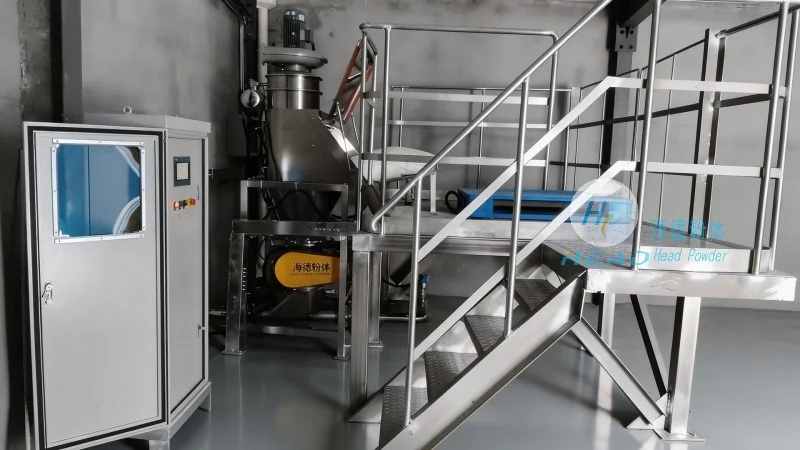
Negative pressure conveying, also known as suction or vacuum conveying, works by creating a vacuum in the system to draw material from the source into the transport line. This method is ideal for short to medium-distance transport and is often used for handling PVB in environments where dust control is a priority. Negative pressure systems are generally more energy-efficient and can handle fine powders more gently, reducing the risk of particle degradation. However, they may have limitations in terms of conveying distance and capacity, as the vacuum strength diminishes over longer distances. For PVB, negative pressure conveying can be effective for maintaining product purity and minimizing dust exposure, but it may require additional filtration and maintenance to prevent clogging in the vacuum lines.
Comparative Analysis: Key Factors to Consider
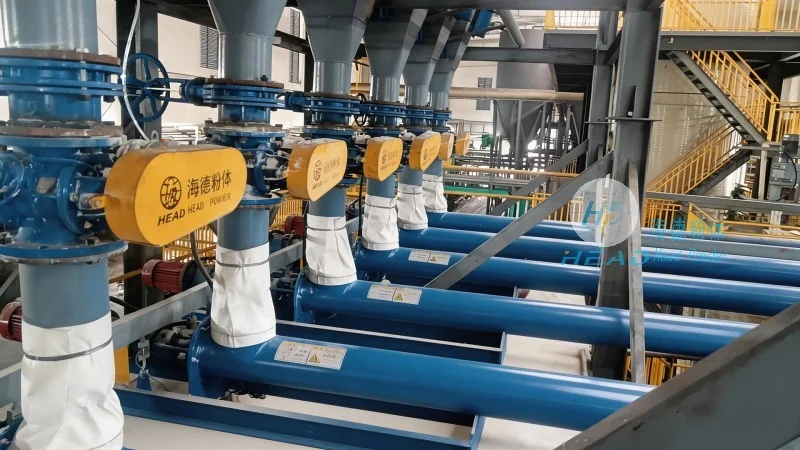
When comparing positive and negative pressure pneumatic conveying for PVB, several factors must be evaluated to determine the most suitable system. These include the material's physical properties (such as particle size, moisture content, and flowability), the required transport distance, the need for dust control, and the available space for equipment installation. Positive pressure systems excel in long-distance, high-volume applications and are less susceptible to clogging, making them a preferred choice for bulk PVB transport. Negative pressure systems, on the other hand, offer better control over dust and are more suitable for handling fine or sensitive PVB powders, where minimizing particle damage is critical. The choice also depends on the operational environment, with positive pressure systems often preferred in industrial settings where space is limited and high throughput is required.
HeadPowder Engineering: Expertise in PVB Conveying Solutions
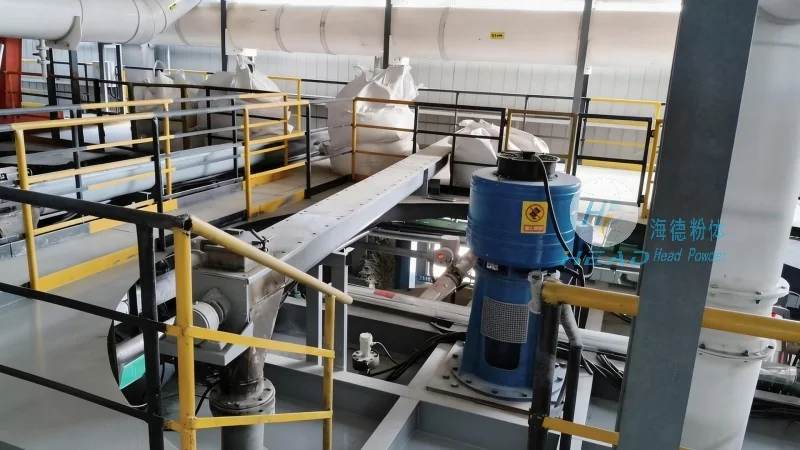
Shandong HeadPowder Engineering Co., Ltd., a leading provider of engineering solutions for material handling, specializes in designing and implementing advanced pneumatic conveying systems tailored to the unique needs of PVB applications. With years of experience in the industry, HeadPowder has developed a deep understanding of the challenges associated with PVB handling and has successfully implemented both positive and negative pressure systems for clients across various sectors. The company's team of engineers leverages cutting-edge technology and rigorous testing to ensure that each system is optimized for efficiency, reliability, and product quality. By focusing on customer-specific requirements, HeadPowder provides customized solutions that address the specific challenges of PVB transportation, whether it involves long-distance transport, dust control, or material integrity preservation.
Conclusion: Choosing the Right Conveying Method for PVB
The decision between positive pressure and negative pressure pneumatic conveying for PVB depends on a careful evaluation of operational requirements, material characteristics, and system constraints. Positive pressure systems offer advantages in terms of capacity and long-distance transport, while negative pressure systems excel in dust control and gentle handling of fine powders. By understanding the strengths and limitations of each method, industries can select the most appropriate conveying solution to ensure efficient and reliable PVB transport. With expertise in both approaches, companies like Shandong HeadPowder Engineering Co., Ltd. play a vital role in helping clients achieve optimal material handling performance and maintain the quality of their PVB products throughout the conveying process.