News
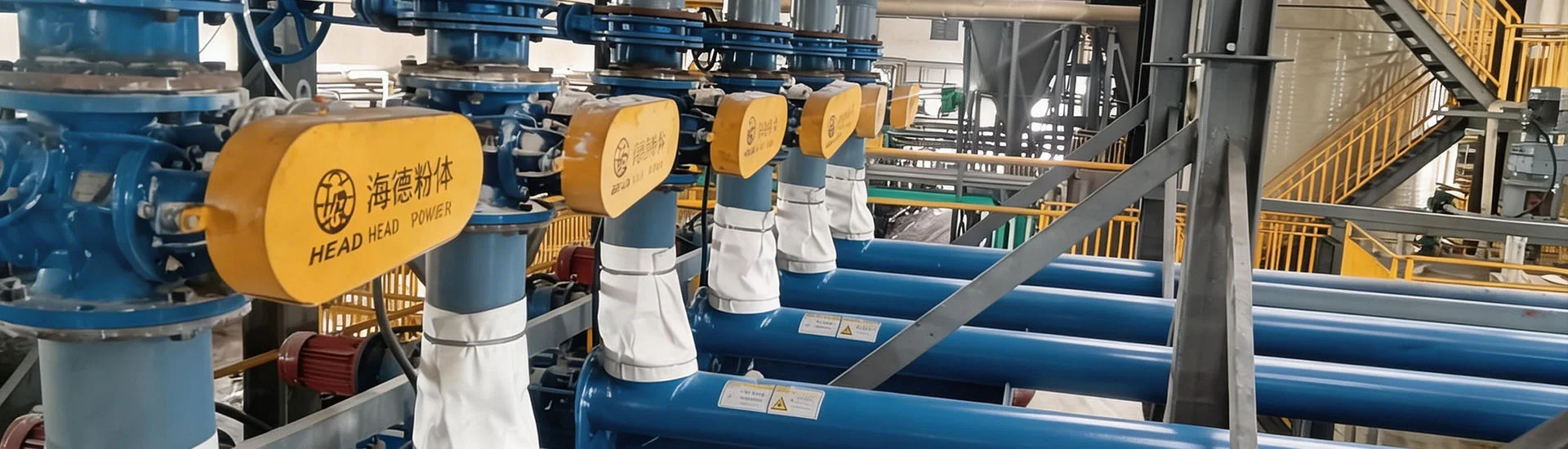
Rich project cases across industries, showing real implementation and proven technical strength.In the refractory industry, the efficient and reliable transport of bulk powders and granular materials—such as alumina, magnesia, silicon carbide, and various fused grains—is a critical operational challenge. Traditional mechanical conveying methods often fall short when handling high-temperature, abrasive, or hygroscopic refractory raw materials. Pneumatic conveying has emerged as the preferred solution, leveraging pressurized air or inert gas to move materials through enclosed pipelines. This technology offers distinct advantages: dust-free operation, reduced product degradation, flexible routing, and the ability to integrate seamlessly into automated production lines. The global pneumatic conveying market for refractory and ceramics is projected to exceed USD 1.8 billion by 2026, driven by the expansion of steelmaking, cement, and glass manufacturing sectors—industries that heavily rely on high-performance refractories. Understanding the engineering principles behind dilute-phase, dense-phase, and semi-dense systems is essential for selecting the correct conveying configuration that minimizes wear, maintains particle integrity, and optimizes energy consumption.
At its core, pneumatic conveying relies on the suspension of solid particles within a moving gas stream. The key parameters governing system performance include gas velocity, solids loading ratio, particle size distribution, bulk density, and the material's cohesive and abrasive characteristics. For refractory materials, which often feature high hardness and irregular shapes, incorrect velocity selection can accelerate pipe erosion or cause blockages. A well-designed system operates within a window that balances transport efficiency against component longevity. Modern computational fluid dynamics (CFD) modeling now enables engineers to simulate flow patterns, predict pressure drops, and optimize bends and diverter valves before installation. This level of precision reduces field troubleshooting time and guarantees consistent throughput, particularly for fine powders below 45 microns that tend to agglomerate. Companies like headpowder have invested heavily in customized test loops that replicate client material conditions, ensuring that every system design is backed by empirical data rather than generic assumptions.
The selection between dilute-phase and dense-phase pneumatic conveying is largely determined by the material's air retention properties and particle friability. Dilute-phase systems—operating at high gas velocities (20–40 m/s) and low solids loading ratios (typically 1–15 kg material per kg air)—are suitable for free-flowing, non-abrasive refractory powders like ground quartz or calcined alumina. They offer simple installation and lower capital cost, but the high velocity accelerates pipe wear and can cause significant particle attrition, which is unacceptable for value-added materials like fused magnesia where shape and size distribution affect final refractory performance. In contrast, dense-phase conveying—operating at lower velocities (3–8 m/s) and high solids loading ratios (10–50 kg/kg)—gently pushes material as a moving plug or fluidized bed. This method dramatically reduces pipe erosion and preserves particle morphology, making it the standard for high-quality refractory blends. Sub-categories like fluidized dense-phase (using aeration nozzles) and pulse-phase (using intermittent air bursts) further fine-tune the handling of cohesive materials such as clay-based powders or silicon nitride.
Industry data from 2025 indicates that nearly 70% of new refractory processing plants now specify dense-phase or semi-dense systems for their main raw material transport lines, a trend that will continue through 2026 and beyond. The driving factors are sustainability and total cost of ownership: lower air consumption (by 30-50% compared to dilute-phase) reduces energy bills, while less wear extends pipeline life and decreases maintenance downtime. For instance, a European manufacturer of refractory castables reported a 40% reduction in spare parts replacement after switching from a dilute-phase to a dense-phase design engineered by headpowder. The transition also eliminated dust emissions at transfer points, helping the client comply with tightening EU air quality directives. When evaluating a system for your facility, it is advisable to conduct a material characterization test that includes cohesion angle, permeability, and deaeration rate. These data points, combined with your target throughput (typically 5–50 tons per hour for refractory applications), will guide the correct system type and component specifications.
A robust pneumatic conveying system for refractories comprises several critical components, each requiring careful specification to withstand harsh conditions. The pressure vessel (blow tank) is the heart of dense-phase systems and must be constructed from abrasion-resistant steel with a minimum wall thickness of 8 mm for abrasive materials. Valve selection is equally vital: dome valves or pinch valves offer better sealing and longer service life compared to butterfly valves when handling high-temperature (up to 600°C) or hot materials from rotary kilns. Pipelines should use schedule 40 or 80 carbon steel with wear-resistant bends—either ceramic-lined or with replaceable wear-back plates—to mitigate erosion at change-of-direction points. The pipeline diameter is determined by the material's particle size distribution and the desired conveying velocity; a general rule is to ensure the pipe diameter is at least 10 times the largest particle diameter to prevent bridging. Additionally, air source equipment (roots blowers, screw compressors, or vacuum pumps) must be sized to deliver the required pressure and flow while maintaining energy efficiency. For plants in humid climates, installing an aftercooler and moisture separator prevents condensation that can cause material caking inside the line.
Another often-overlooked component is the material-air separator at the receiving end. Cyclone collectors followed by baghouse filters are standard for recovering fine refractory dust. However, for extremely fine powders (median diameter <10 microns), ceramic filter elements or high-efficiency particulate air (HEPA) cartridges may be necessary to meet environmental discharge standards. Recent innovations include smart sensors that continuously monitor differential pressure across the filter and automatically initiate reverse-pulse cleaning, reducing operator intervention and ensuring consistent air flow. Headpowder integrates such intelligent monitoring into its turnkey systems, providing clients with real-time data dashboards that track conveying rate, air consumption, and filter health. This digital layer transforms pneumatic conveying from a passive transport method into a controllable production asset, aligning with the Industry 4.0 and smart manufacturing trends that dominate refractory plant modernization roadmaps for 2026.
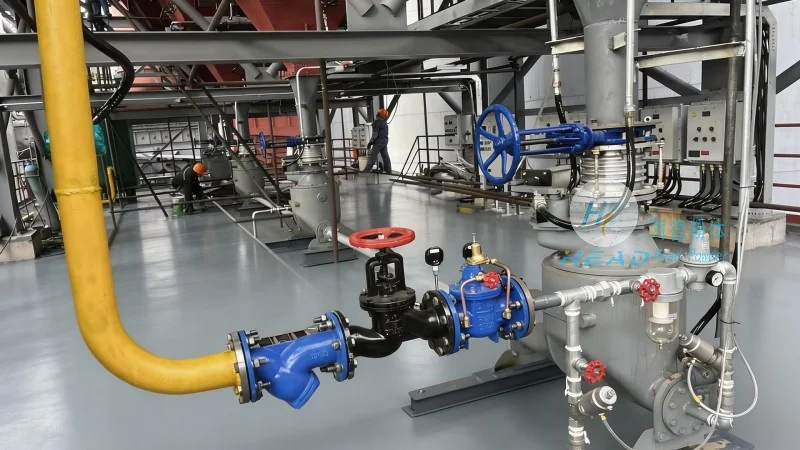
Despite its advantages, pneumatic conveying of refractory materials presents several challenges that require specialized engineering attention. Pipe wear is the most prevalent issue, particularly in dilute-phase systems handling zirconia or silicon carbide grains with Mohs hardness above 9. Solutions include replacing straight sections with wear-resistant alloys (e.g., AR500 or chromium carbide overlay) and designing long-radius bends (R ≥ 10× pipe OD) to reduce impact erosion. For severe cases, spiral-wound ceramic-lined pipes can extend service life fivefold compared to standard steel. Another common problem is material segregation during transport: when a blend of coarse and fine particles is conveyed pneumatically, the finer fractions may separate and accumulate in dead zones, leading to inconsistent mix quality entering the press or casting machine. This can be mitigated by maintaining a minimum transport velocity that keeps all particles in suspension, and by using aeration pads at the blow tank outlet to re-fluidize the material before injection.
Blockages due to moisture or electrostatic charge are also frequent, especially in regions with high humidity or when conveying polymers like phenol-formaldehyde resin-coated refractories. Installing inline dehumidifiers and grounding the entire pipeline with static-dissipative cables can resolve these issues. Moreover, the conveying line's slope and horizontal length matter: a vertical lift exceeding 30 meters may require an intermediate booster station to prevent line plugging. Headpowder's project team frequently conducts site audits to identify existing bottlenecks—such as undersized compressors, faulty check valves, or sharp 90-degree elbows—and recommends retrofit solutions that can be implemented without halting production. One documented case involved a Chinese refractory manufacturer that experienced weekly blockages in a 400-meter horizontal line conveying magnesia fines. After replacing the smooth-bore pipe with a stepped-diameter design and adding two booster stations, the system operated continuously for six months without a single blockage, improving plant uptime by 12%.
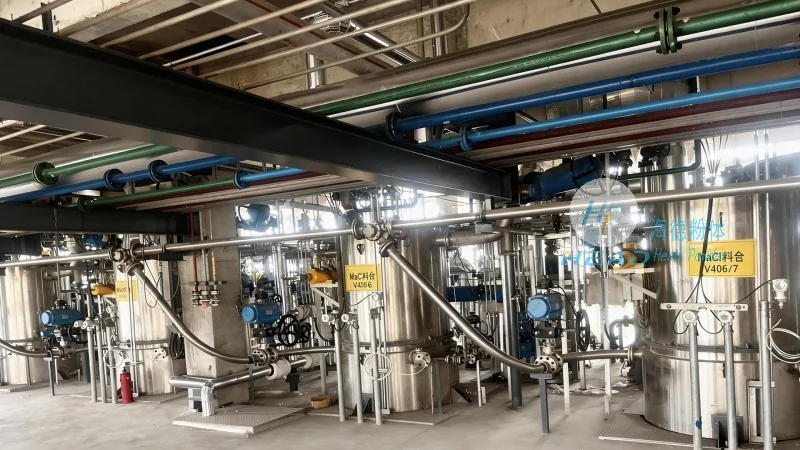
Proactive maintenance is essential to ensure long-term reliability and safety of pneumatic conveying systems for refractory materials. A scheduled inspection regimen should include daily checks of air pressure, flow rate, and filter differential pressure; weekly visual inspections of wear-prone bends and diverter valves; and monthly non-destructive testing (e.g., ultrasonic thickness measurement) on straight pipe sections. Predictive maintenance using vibration analysis and thermal imaging can detect bearing wear in blowers or valve leakage before catastrophic failure occurs. It is also prudent to maintain a log of conveying velocity and pressure trends—any unexplained increase may indicate partial blockage or filter clogging. For safety, the system must incorporate pressure relief valves, emergency shut-off switches, and proper grounding to prevent dust explosions. Refractory dusts such as aluminum powder or fine silicon metal are explosive under certain concentrations; therefore, inert gas (nitrogen) conveying is mandatory for these materials. Headpowder's designs comply with ATEX and NFPA 68 standards, equipping every system with explosion venting panels and automatic isolation valves.
Training of plant operators is another critical factor. Many conveying problems stem from improper start-up procedures (e.g., introducing material before reaching stable air pressure) or overloading the blow tank beyond its rated capacity. A well-documented operating manual and periodic refresher courses can reduce human error. Additionally, spare parts management—particularly for quick-wear items like dome valve seals, filter bags, and wear plates—should be coordinated with the supplier to avoid extended downtime. Headpowder offers a spare parts subscription package that delivers critical components at predetermined intervals based on your system's historical wear data, minimizing inventory holding costs while ensuring availability. As the industry moves toward lower-carbon production, maintenance also extends to optimizing energy use: cleaning heat exchangers on air compressors and adjusting blow tank cycle times can cut electricity consumption by 15–20% without sacrificing throughput. With the global energy price volatility expected to persist through 2026, such efficiency improvements directly impact the bottom line.
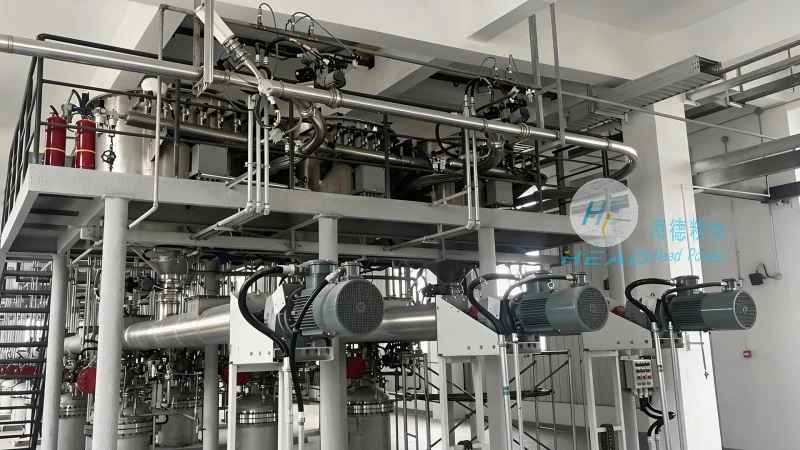
Looking ahead to 2026 and beyond, the pneumatic conveying landscape for refractories is being shaped by three powerful forces: digitalization, sustainability, and material innovation. Digital twins—virtual replicas of the entire conveying system—allow plant engineers to simulate different operating scenarios, predict wear rates, and optimize schedules without disrupting real production. Major refractory groups in Europe and North America have already started implementing digital twin technology for their main transport lines, with early adopters reporting a 25% reduction in unplanned downtime. Sustainability concerns are driving the adoption of closed-loop conveying systems that capture and recirculate the conveying air, significantly reducing exhaust emissions. Some advanced designs now integrate heat recovery units that preheat raw materials using waste heat from the air compressor, improving overall thermal efficiency. Furthermore, the development of new refractory composites—such as low-cement castables with ultra-fine reactive alumina—demands even gentler handling to preserve the binder's distribution. Pneumatic conveying systems will need to incorporate finer aeration grids and dynamic pressure controls to accommodate these evolving material properties.
In parallel, modular and skid-mounted systems are gaining popularity for greenfield refractory plants, enabling faster on-site installation and easier future expansion. These pre-engineered assemblies, often supplied by specialists like headpowder, include all components on a single structural frame with pre-wired controls, reducing engineering hours by 40% compared to bespoke field-built solutions. For existing plants, retrofitting older dilute-phase lines with dense-phase technology remains a high-return investment, with typical payback periods of 18–24 months via energy savings and reduced maintenance. As refractory manufacturers face increasing pressure to improve product consistency—driven by end-users in steel, cement, and non-ferrous metals—the reliability of raw material conveying becomes a direct competitive differentiator. Investing in a well-engineered pneumatic system is not merely a material handling decision; it is a strategic enabler of quality, throughput, and profitability. For a detailed feasibility assessment or to discuss your specific refractory material conveying requirements, contact headpowder for expert consultation. (咨询热线:156-6277-7102)

 Shandong headpowder Engineering Co., Ltd.
 156-6277-7102(Manager Zhang)
  0531-83386006
  Jinan City, Shandong Province, China
服务热线
微信咨询
回到顶部