News
Rich project cases across industries, showing real implementation and proven technical strength.In the rapidly evolving landscape of animal feed processing, the efficient and gentle handling of soybean-based ingredients has become a critical challenge for producers worldwide. Soybean meal, full-fat soybeans, and soybean hulls are fundamental components in livestock and aquaculture diets, prized for their high protein content and digestibility. However, their physical characteristics—ranging from fine, dusty particles to fibrous, lightweight hulls—pose significant conveying difficulties. Traditional mechanical conveyors, such as belt conveyors, screw augers, and bucket elevators, often lead to issues like product degradation, dust generation, cross-contamination, and high maintenance costs. This is where pneumatic conveying emerges as a transformative solution. By utilizing air pressure or vacuum to transport materials through enclosed pipelines, pneumatic systems offer a hygienic, flexible, and damage-free alternative. This comprehensive guide aims to provide feed mill operators, plant engineers, and procurement managers with an in-depth understanding of pneumatic conveying for soybean feed. We will explore the key system types, design parameters, material characteristics, energy considerations, and best practices for implementation. The goal is to help you make informed decisions that improve operational efficiency, product quality, and overall profitability. Whether you are planning a new facility or upgrading an existing line, mastering the principles of pneumatic conveying is essential for staying competitive in the global animal nutrition market. At headpowder, we bring decades of specialized experience in designing and manufacturing robust pneumatic conveying systems tailored to the unique demands of soybean feed processing. Our expertise ensures that your investment delivers measurable returns in throughput, reliability, and product integrity.
Soybean feed ingredients vary widely in density, particle size, and moisture content. Conventional mechanical systems often struggle with these variations, leading to blockages, segregation, and excessive wear. Pneumatic conveying, on the other hand, excels in handling such diverse materials. The enclosed pipeline prevents dust leakage, which is crucial for both worker safety and regulatory compliance regarding airborne particulate matter. Furthermore, the gentle conveying action—particularly in dilute-phase systems—minimizes the breakage of fragile soybean meal particles, preserving their nutritional value. Another significant advantage is routing flexibility: pipelines can be installed overhead, around existing equipment, or across multiple floors, maximizing floor space utilization. This adaptability is especially valuable in retrofitting older feed mills where space is constrained. From a maintenance perspective, pneumatic systems have fewer moving parts in contact with the material, reducing downtime and spare parts inventory. For soybean hulls, which are notoriously abrasive and fluffy, a well-designed pneumatic system can ensure consistent flow without bridging or plugging. The ability to convey over long distances—often exceeding 100 meters—also enables centralized receiving and distributed discharge points, streamlining material handling logistics.
Understanding the two primary modes of pneumatic conveying is essential for proper system selection: dilute-phase and dense-phase. Each offers distinct advantages depending on the material properties and throughput requirements.
In dilute-phase systems, the material is suspended in a high-velocity air stream, typically 15 to 30 meters per second. This method is well-suited for free-flowing, non-abrasive soybean meal with low moisture content. The high velocity ensures that particles remain airborne, preventing settlement in horizontal pipe sections. Dilute-phase systems are generally simpler in design and lower in capital cost compared to dense-phase alternatives. However, they consume more energy due to higher air volume requirements and can cause more particle attrition for brittle materials. For soybean meal, which is moderately friable, maintaining air velocities at the lower end of the recommended range can help reduce degradation. headpowder’s dilute-phase conveyors are engineered with optimized pick-up points and gentle bends to minimize impact forces, ensuring that protein integrity is preserved throughout the process. Typical applications include transferring soybean meal from grinders to mixers or from storage silos to bagging stations.
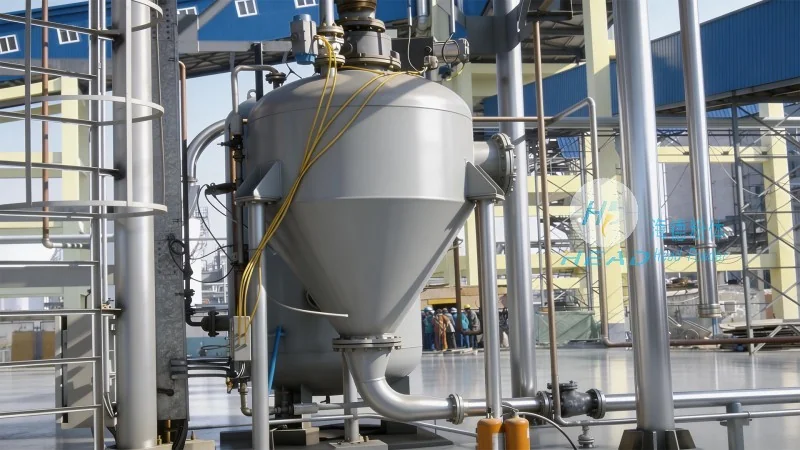
Dense-phase systems operate at lower air velocities (typically 3 to 10 m/s) but higher material-to-air ratios. The material moves in slugs or plugs through the pipeline, pushed by compressed air pulses. This method is ideal for fragile, abrasive, or cohesive materials such as full-fat soybeans, soybean hulls, and high-moisture meals. The reduced velocity dramatically lowers particle degradation and pipeline wear, extending equipment life. Dense-phase systems also offer better energy efficiency per ton of material conveyed, especially over long distances or when conveying heavy, dense materials. The trade-off is higher initial equipment cost and more complex control requirements. For soybean hulls, which tend to mat and form clumps, dense-phase conveying provides a reliable plug-flow mechanism that prevents bridging. headpowder specializes in high-pressure dense-phase systems that incorporate pressure vessels, boosters, and smart control algorithms to maintain consistent flow even with challenging feedstocks. When handling full-fat soybeans—which have higher oil content and can become sticky—a dense-phase system with heated air or nitrogen injection can mitigate caking and maintain flowability.
Designing a pneumatic conveying system that performs reliably day after day requires careful consideration of several key parameters. Below are the most influential factors for soybean feed applications.
A complete pneumatic conveying line comprises several key components, each requiring careful selection to match the soybean feed characteristics and operational environment.
Energy consumption is one of the largest operational expenses for pneumatic conveying systems. For soybean feed applications, optimizing energy usage directly impacts the bottom line. Dilute-phase systems typically consume 0.5–2.0 kWh per ton of material conveyed, while dense-phase systems range from 0.3–1.0 kWh per ton, depending on distance and elevation. To minimize energy waste, engineers should focus on reducing air leakage, maintaining proper pipe cleanliness, and using variable frequency drives (VFDs) on air movers to match demand. headpowder’s systems are designed with energy recovery options in some configurations, capturing exhaust air for pre-heating or ventilation purposes. Additionally, proper system tuning—adjusting air velocities to the lowest practical level without compromising conveying stability—can yield 15–25% energy savings. For large-scale feed mills processing hundreds of tons per day, these savings translate into significant annual cost reductions. Another factor is the cost of compressed air generation: dense-phase systems using plant compressed air must account for the compressor’s efficiency and maintenance. Dedicated PD blowers often offer better overall efficiency for continuous conveying applications.
As the global demand for animal protein continues to rise, the soybean feed market is projected to grow at a compound annual growth rate (CAGR) of 4–5% through 2026, driven by expanding poultry and aquaculture sectors. Feed mill operators are increasingly prioritizing automation and digitalization to improve consistency and reduce labor dependency. In the pneumatic conveying domain, trends include the adoption of IoT-enabled sensors for predictive maintenance, the use of AI to optimize conveying parameters in real time, and the integration of carbon footprint tracking to meet sustainability goals. Furthermore, regulatory pressures around dust explosion safety (e.g., NFPA 61 in North America, ATEX in Europe) are pushing companies to invest in intrinsically safe pneumatic systems with spark detection and suppression capabilities. For soybean feed specifically, there is growing interest in conveying whole or minimally processed soybeans to preserve natural oil content and reduce processing costs. This trend favors dense-phase systems that can handle whole beans without cracking. headpowder is at the forefront of these developments, continuously refining its product line to incorporate the latest technologies while maintaining rugged reliability. By partnering with headpowder, feed producers gain access to cutting-edge solutions that are both economically and environmentally sustainable.
To illustrate the practical benefits, consider a recent project where headpowder upgraded a soybean meal conveying line for a mid-size feed mill in the Midwest. The client had been using a mechanical bucket elevator and screw conveyor system that experienced frequent jams, high dust levels, and average protein degradation of 2.5% during transfer. After a detailed audit of material properties and throughput requirements (25 tons per hour over 80 meters), headpowder recommended a dilute-phase pneumatic system with a 200 mm diameter pipeline, a centrifugal blower with VFD, and ceramic-lined long-radius bends. The system was installed with a PLC control panel that automatically adjusted air velocity based on material feed rate. Post-installation results showed a 70% reduction in dust emissions, protein degradation below 0.5%, and a 40% decrease in maintenance costs. Energy consumption was measured at 1.2 kWh per ton—well within the projected range. The mill achieved payback on the investment within 18 months through reduced product loss, lower labor costs, and improved throughput reliability. This case demonstrates how a properly designed pneumatic conveying system can address specific challenges while delivering substantial economic returns.
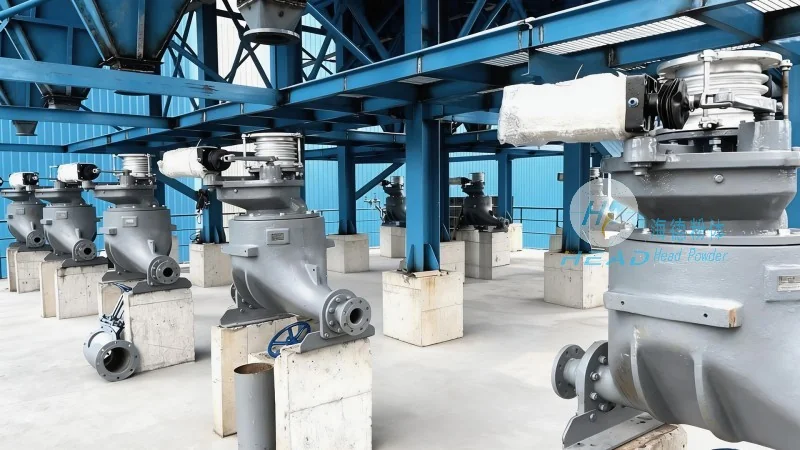
Successful deployment of a pneumatic conveying system requires meticulous planning during installation. Pipe joints must be aligned precisely to avoid step changes that cause material accumulation or pressure drops. Supports should allow for thermal expansion, especially when conveying warm soybean meal. During commissioning, engineers should conduct phased testing at increasing throughput rates while monitoring pressure profiles and material flow patterns. For soybean feed, pay special attention to the initial material charge—moisture condensation can occur in cold pipelines, so pre-heating the system with warm air may be necessary in winter climates. Routine maintenance includes inspecting airlocks for wear, checking filter bag integrity, and lubricating blower bearings according to manufacturer specifications. headpowder provides comprehensive training for on-site maintenance teams, covering how to identify early signs of pipeline wear (e.g., thin spots in bends) and how to calibrate pressure sensors. A well-maintained pneumatic system can operate for 10–15 years with only minor component replacements, making it a long-term asset. We also offer remote diagnostic services that allow our engineers to analyze system performance data and recommend adjustments, reducing the need for costly on-site visits.
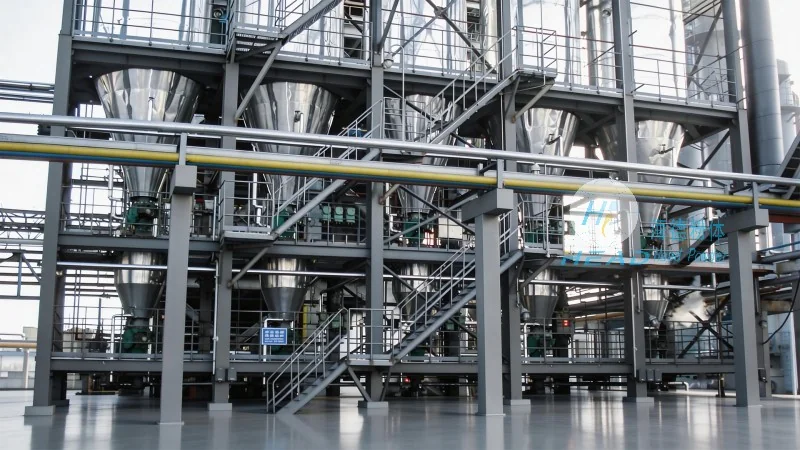
Choosing a supplier for pneumatic conveying equipment is a strategic decision that affects production efficiency, product quality, and total cost of ownership. Look for a partner with proven expertise in soybean feed applications, not just general bulk material handling. Ask about their design methodology—do they use validated software and real-world testing data? Request references from similar installations, and visit operational sites if possible. At headpowder, we pride ourselves on a consultative approach: we start by thoroughly understanding your material, facility layout, and production goals before proposing a solution. Our engineering team has extensive experience with soybean meal, full-fat soybeans, soybean hulls, and related ingredients. We provide complete system design, fabrication, installation supervision, and post-commissioning support. Our clients value our transparency in quoting, our adherence to delivery timelines, and our willingness to customize systems for unique requirements. For feed mill managers who demand reliability and performance, headpowder stands as a trusted partner. (咨询热线:156-6277-7102) Contact us to discuss your soybean feed conveying challenges and discover how pneumatic technology can elevate your operation.
The choice of conveying technology directly influences the profitability and sustainability of soybean feed production. As market demands shift toward higher throughput, stricter quality standards, and lower environmental impact, pneumatic conveying offers a versatile and future-ready solution. By leveraging the insights shared in this guide, you can evaluate your current processes, identify improvement opportunities, and select a system that aligns with your business objectives. Whether you are handling delicate soybean meal or abrasive hulls, a properly engineered pneumatic system will deliver consistent performance, preserve product value, and reduce operational risks. The industry is moving toward greater automation and data-driven decision-making, and pneumatic conveying is a cornerstone of this transformation. headpowder remains committed to advancing the technology and supporting our clients every step of the way. Invest in the right system today, and your feed mill will be well-positioned to thrive in the years ahead. We invite you to reach out and begin a conversation about your specific needs—our team is ready to help you achieve excellence in soybean feed conveying.

 Shandong headpowder Engineering Co., Ltd.
 156-6277-7102(Manager Zhang)
  0531-83386006
  Jinan City, Shandong Province, China
服务热线
微信咨询
回到顶部