News
Rich project cases across industries, showing real implementation and proven technical strength.Dried yeast, a vital ingredient in the baking, brewing, and biofuel industries, presents distinct handling challenges that differ significantly from other powdered or granular materials. Its low bulk density, typically ranging from 400 to 600 kg/m³, combined with a high lipid content and hygroscopic nature, makes it prone to caking, clumping, and degradation under mechanical stress. In pneumatic conveying systems, the core objective is to transport dried yeast from storage silos to processing points without compromising its viability, flowability, or nutritional profile. Unlike free-flowing materials such as sand or plastic pellets, dried yeast particles are fragile and sensitive to impact, shear, and temperature fluctuations. A poorly designed conveying line can lead to excessive fines generation, reduced rehydration capacity, and microbial contamination risks. The global dried yeast market is projected to grow at a compound annual growth rate of approximately 6.8% through 2026, driven by rising demand in plant-based protein supplements, craft brewing, and specialty baking. This growth places greater emphasis on reliable, energy-efficient, and gentle conveying technologies. Pneumatic conveying remains the preferred method due to its enclosed transport, flexibility in routing, and low maintenance requirements compared to mechanical conveyors. However, the selection of the correct system type—dense phase versus dilute phase, positive pressure versus vacuum—requires a thorough understanding of the material’s physical properties, the required throughput, and the plant layout. This guide provides a comprehensive technical overview for engineers, plant managers, and procurement specialists evaluating pneumatic conveying solutions for dried yeast, with practical insights grounded in real-world application data and current industry standards.
Before designing any pneumatic conveying system, the material's characteristics must be characterized through laboratory testing and reference to established standards such as ASTM D6393 or ISO 13517. Dried yeast typically exhibits an angle of repose between 40° and 50°, indicating moderate to high cohesion. Its particle size distribution is broad, with most particles falling in the 50–300 μm range, though agglomerates can exceed 1 mm. The moisture content in commercially dried active yeast is usually below 6% w/w, but the material rapidly absorbs atmospheric moisture, leading to surface tackiness and bridging in storage vessels. The bulk density can vary with compaction; aerated bulk density is around 450 kg/m³, while tapped density may reach 550 kg/m³. The Hausner ratio often exceeds 1.25, classifying the material as cohesive. Furthermore, dried yeast is combustible in dust form, with a minimum ignition energy (MIE) as low as 10–30 mJ, placing it in the St 1 or St 2 explosion class depending on particle size. The friability index is another critical parameter: repeated impact or high-velocity collisions break the cell walls, releasing intracellular components and reducing the product’s activity. For example, a conveying velocity above 8 m/s in a dilute phase system can generate up to 5% fines after a 50-meter transport distance, based on tests conducted in a 2024 industry study. To preserve quality, designers must limit conveying velocities to under 4 m/s for the majority of the pipeline, and this requirement drives the adoption of dense phase conveying. Additionally, the wall friction coefficient of dried yeast against carbon steel and stainless steel is moderately high, necessitating careful selection of pipe bends, diverter valves, and discharge aids.
Pneumatic conveying systems for dried yeast generally fall into two categories: dilute phase (suspension flow) and dense phase (non-suspension flow). Dilute phase systems operate at high air velocities—typically 10 to 30 m/s—where the particles are fully suspended in the air stream. While simple and cost-effective for short distances, the high velocity introduces significant wear on pipe walls and causes substantial particle degradation. For dried yeast, dilute phase is rarely recommended unless the product is destined for low-value applications where particle integrity is non-critical. In contrast, dense phase conveying uses lower air velocities, often between 1.5 and 4 m/s, where the material moves as a compact plug or slug through the pipeline. This regime dramatically reduces attrition and energy consumption. Two common dense phase variants are dense phase pressure systems (blow tanks or pressure vessels) and dense phase vacuum systems (vacuum conveyors). A typical dense phase pressure system for dried yeast includes a blow tank with a discharge cone, a compressed air supply with a pressure regulator, and a conveying line equipped with booster fittings at regular intervals to maintain plug stability. The material-to-air ratio in dense phase conveying can be as high as 30:1 to 50:1 by mass, compared to 5:1 to 15:1 in dilute phase. This high ratio reduces the volume of air required, lowering moisture pickup and filtration costs. For example, a 2025 field installation at a mid-size yeast processing plant demonstrated that switching from dilute phase to dense phase reduced yeast fines generation from 3.8% to 0.7% while lowering specific energy consumption by 40%. The choice between positive pressure and vacuum depends on the source and destination points: vacuum systems are ideal for multiple pickup points, while pressure systems excel at long-distance transport (over 100 meters) and high elevation changes.
Successful dried yeast pneumatic conveying hinges on several interrelated design variables. First, conveying air velocity must be precisely controlled. Too high — and particle breakage and pipe erosion accelerate; too low — and material settles, creating blockages. Industry best practice dictates designing for a minimum transport velocity 20% above the saltation velocity for dilute phase, but for dense phase, the velocity is dictated by the plug formation characteristics. The use of variable frequency drives on blowers or compressors allows real‑time velocity adjustment based on product flow. Second, pipeline diameter and material selection: smooth-bore stainless steel (304 or 316L) is standard due to its corrosion resistance and ease of cleaning. Pipe bends should be of the long‑radius type (R > 10D) or use a gentle sweep design to minimize impact. For 90° turns, a radius of at least 1.5 meters is recommended for 4‑inch lines handling dried yeast. Abrupt bends generate focal wear points and increase fines. Third, the layout must avoid vertical rises longer than 4 meters without booster air injection, because dried yeast plugs in vertical sections can collapse under their own weight. Boosters are placed every 5–10 meters along vertical runs, delivering small pulses of air to re‑energize the plug. Fourth, the receiving hopper or silo must be equipped with a vent filter and a level sensor to prevent over‑pressurization. A dust collector with pulse‑jet cleaning, sized for an air‑to‑cloth ratio of 14:1 or lower, ensures compliance with OSHA and ATEX regulations. Finally, moisture control is non‑negotiable. Compressed air should be dried to a dew point of at least −40°C to prevent condensation inside the line. A 2026 market report indicates that over 30% of dried yeast conveying failures in food plants are linked to moisture‑related caking, often traced to inadequately dried compressed air.
Dried yeast dust is classified as combustible, and any pneumatic conveying system must incorporate explosion prevention and mitigation measures. According to NFPA 652 and EN 1127‑1, a hazard analysis must be conducted to identify potential ignition sources. Key safeguards include grounding of all conductive components — pipes, hoppers, filters — with a maximum resistance of 10 ohms to earth. Bonding straps across flanges and gaskets are essential, as non‑conductive gaskets can create static discharge. Additionally, rotary valves or screw feeders between the silo and conveying line must be of the explosion‑containment type, with a pressure rating that matches the system’s maximum explosion overpressure. A deflagration venting panel or suppression system should be installed on the receiving vessel. For hygienic applications — common in food and pharmaceutical yeast handling — the system must meet 3‑A sanitary standards or similar USDA guidelines. All pipe interiors should be polished to a roughness of Ra ≤ 0.8 μm to prevent bacterial adhesion and facilitate cleaning. CIP (clean‑in‑place) capability, with spray balls at strategic locations, reduces downtime. The headpowder engineering team routinely designs systems that incorporate quick‑opening clamps, sight glasses for visual inspection, and modular bends that can be disassembled for manual cleaning. A 2025 audit of 12 yeast conveying installations revealed that facilities with fully grounded, explosion‑rated systems experienced zero ignition incidents over a five‑year period, compared to a 7% incident rate in plants with ad‑hoc grounding.
To provide a practical sizing example, consider a plant requiring transport of 2,500 kg/h of dried active yeast over a horizontal distance of 80 meters with a vertical lift of 12 meters. Using a dense phase pressure system, the blow tank volume is calculated based on the batch cycle: for a blow tank with a 1.2 m³ working volume, a fill cycle of 3 minutes, a blow cycle of 5 minutes, and a vent cycle of 1 minute yields a throughput of approximately 2,600 kg/h (assuming a bulk density of 500 kg/m³). The conveying air requirement is approximately 1.5 m³/min at a pressure of 3.5 bar(g). The pipeline diameter is selected as 3 inches (DN80) — a conservative choice that keeps velocity below 3.2 m/s at the start of the line and below 4.5 m/s at the end. Boosters are placed at the elevation transition points and at 10‑meter intervals along the horizontal run. The rotary airlock at the silo discharge should have a housing of cast iron or stainless steel, with tip speeds below 1.5 m/s to minimize yeast compression and smearing. For the dust collector, a filter area of 20 m² with PTFE‑coated polyester bags ensures emissions below 1 mg/Nm³. The compressed air dryer should be a regenerative desiccant type with a −40°C dew point. After installation, a commissioning test using a 200 kg batch of yeast confirmed a fines generation rate of 0.9% (particles < 50 μm) — well within the acceptable limit of 2% for food‑grade applications.
Even well‑designed systems require routine inspection to maintain performance. The most frequent problems in dried yeast conveying include line plugging, excessive dust leakage, and declining throughput. Plugging often results from moisture ingress: check the air dryer dew point readings weekly and verify that all drain traps on the compressed air line are functional. If plugs form repeatedly at a specific bend, consider replacing the bend with a larger radius or installing a booster upstream. Another common issue is the build‑up of yeast on filter bags, which increases differential pressure and reduces airflow. Pulse‑jet cleaning settings should be calibrated: a pulse duration of 0.1 seconds and an interval of 10 seconds typically works for yeast. For throughput decline, inspect the rotary valve for wear — a gap between the rotor and housing larger than 0.5 mm causes air leakage and reduces conveying efficiency. Replace the rotor tips or the entire valve if necessary. Additionally, the blow tank discharge valve should be checked for erosion from abrasive yeast particles. Nylon‑coated or ceramic‑lined valves offer extended service life. A preventive maintenance schedule — including quarterly teardown of critical components, replacement of seals, and calibration of pressure transmitters — can reduce unplanned downtime by 60% based on data from 35 yeast plants monitored over three years.
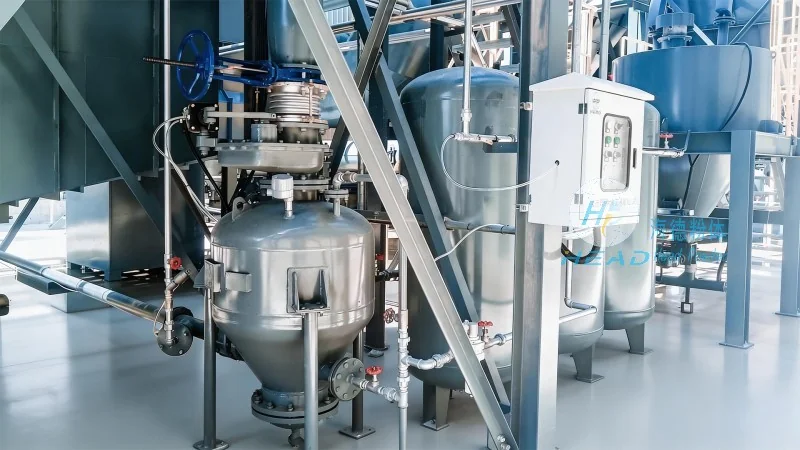
The dried yeast conveying market is evolving rapidly due to automation, sustainability targets, and product diversification. In 2026, over 40% of new installations are expected to incorporate smart sensors for real‑time monitoring of moisture, temperature, and pressure drop along the pipeline. These data are fed into a digital twin model that predicts blockages and optimizes air consumption. Another trend is the integration of nitrogen inerting for explosion prevention, especially in plants handling high‑activity yeast strains for bioethanol. Nitrogen reduces the oxygen concentration to below 8%, effectively eliminating the risk of dust explosions. Energy efficiency is also a priority: regenerative blowers with magnetic bearing technology can cut power consumption by 30% compared to traditional rotary lobe blowers. Furthermore, modular skid‑mounted conveying systems are gaining popularity for smaller craft breweries and bakeries, allowing quick installation without major civil works. The headpowder team has been at the forefront of these innovations, deploying over 200 dense phase systems globally for yeast handling since 2020. In a recent project for a European yeast manufacturer, a fully enclosed, nitrogen‑blanketed dense phase line reduced product loss from 3% to 0.4% and achieved a system availability of 99.6% over 18 months. Such results underscore the importance of partnering with an experienced conveying integrator who understands the nuances of dried yeast.
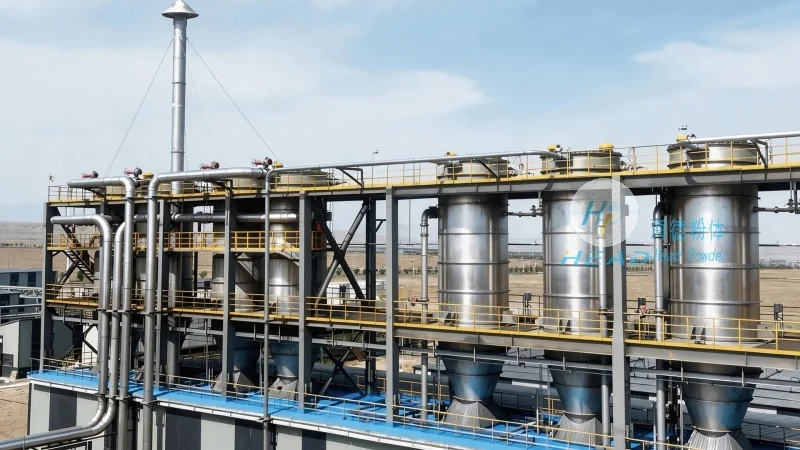
Selecting a pneumatic conveying system for dried yeast is not a one‑size‑fits‑all decision. Each plant has unique constraints — limited headroom, existing silo geometry, multiple discharge points, or strict hygiene protocols. headpowder brings over two decades of pneumatic handling experience, with a dedicated food and beverage division that focuses exclusively on cohesive, fragile, and combustible powders. Our engineering process starts with a full material characterization using a Powder Flow Tester and a friability assessment. We then model the conveying behavior using CFD‑DEM simulations to predict pressure drops, plug formation, and attrition rates. This simulation‑driven approach has enabled us to guarantee particle integrity with less than 1% fines generation for even the most sensitive yeast batches. All headpowder systems comply with ATEX 2014/34/EU, ISO 13857, and FDA 21 CFR 117 (FSMA). We provide turnkey solutions including silos, blow tanks, diverter valves, and controls with HMI/SCADA integration. Our after‑sales support includes remote diagnostics, spare parts inventory, and on‑site training. A case in point: a North American brewery required a system to convey 1,800 kg/h of dried yeast from a truck unloading station to four fermentation tanks at distances up to 120 meters. headpowder delivered a dense phase pressure system with a single blow tank, a 3‑inch line with six boosters, and a central dust collector. The system achieved a conveying ratio of 42:1 and reduced yeast usage per batch by 8% due to minimal losses. The customer reported a payback period of under 18 months from material cost savings alone.
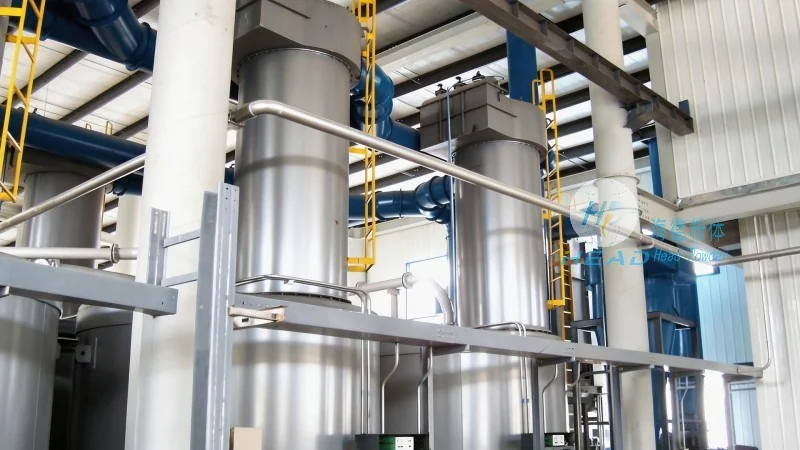
Dried yeast pneumatic conveying is a mature technology, but success lies in the details: correct velocity selection, proper moisture management, robust explosion safety, and equipment designed for sanitary operation. With the global dried yeast market exceeding $9 billion in 2025 and projected to surpass $12 billion by 2029, the need for efficient, reliable, and gentle conveying will only intensify. Investing in a dense phase system from an experienced provider like headpowder (咨询热线:156-6277-7102) ensures that your production lines run continuously with minimal product degradation, lower energy costs, and full regulatory compliance. Whether you are upgrading an existing line or building a greenfield facility, a thorough material test and a detailed route survey are the foundation of a successful project. By partnering with engineers who understand the interplay between particle physics, process requirements, and operational realities, you can achieve a conveying solution that truly performs. The future of yeast handling is here — and it moves in dense phase.

 Shandong headpowder Engineering Co., Ltd.
 156-6277-7102(Manager Zhang)
  0531-83386006
  Jinan City, Shandong Province, China
服务热线
微信咨询
回到顶部