

Introduction to Automatic Continuous Powder Material Handling and Structural Principle Overview
HeadPowder, a leading enterprise in the field of powder material handling technology, specializes in the design, development, and manufacturing of advanced automatic continuous powder conveying systems. With a focus on precision, efficiency, and reliability, the company's products are widely used in various industrial sectors requiring stable and controlled powder transport. This article provides an overview of the structural principles and operational mechanisms of these systems, highlighting key components and their functional roles.
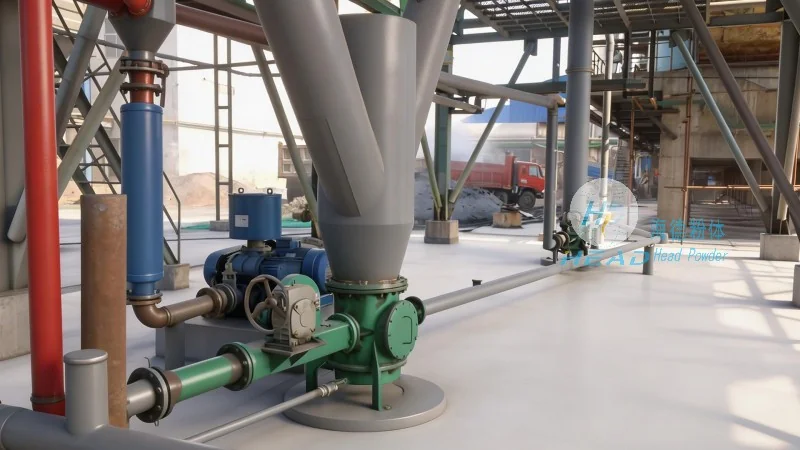
Powder Material Handling in Modern Industry
In industrial applications, the efficient and safe transport of powder materials is crucial for production continuity and product quality. Traditional manual or intermittent conveying methods often suffer from material loss, uneven flow, and operational inefficiencies. Automatic continuous powder conveying systems address these challenges by providing a seamless, controlled flow of materials, ensuring consistent performance and reduced downtime. The technology behind these systems integrates mechanical engineering, fluid dynamics, and automation control, enabling precise regulation of material movement and handling.
Company Profile: Shandong HeadPowder Engineering Co., Ltd.
HeadPowder, operating under the full name Shandong HeadPowder Engineering Co., Ltd., is headquartered in Shandong, China. The company has established itself as a trusted provider of powder handling solutions, leveraging years of experience and technical expertise to meet the diverse needs of clients across different industries. By combining innovative design with rigorous quality control, HeadPowder delivers systems that are tailored to specific operational requirements, ensuring optimal performance and durability.
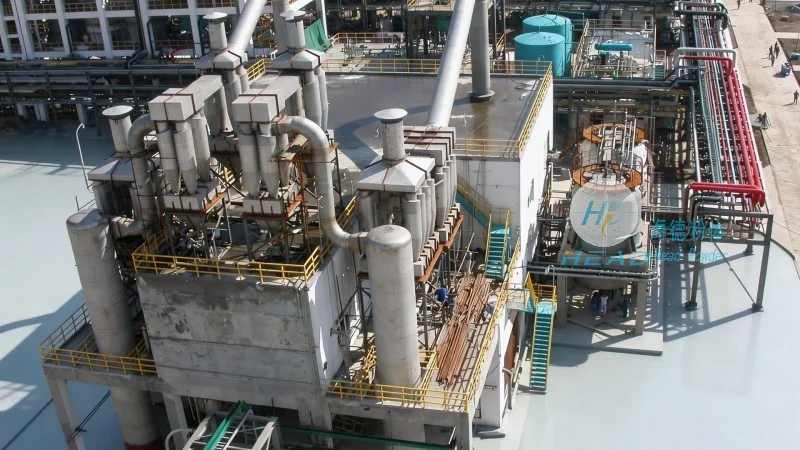
Structural Components and Working Principles
The core of an automatic continuous powder conveying system consists of several key components, each playing a vital role in the overall operation. The primary elements include a feeding mechanism, a conveying pipeline, a control system, and a discharge unit. The feeding mechanism, often equipped with a hopper or feeder, ensures a steady supply of powder material into the system. This is followed by the conveying pipeline, which may utilize various technologies such as pneumatic or mechanical methods to transport the material. The control system, typically integrated with sensors and automation software, monitors and regulates the flow rate, pressure, and other parameters to maintain consistent performance. Finally, the discharge unit collects the material from the pipeline and directs it to the intended destination, such as a processing unit or storage container.
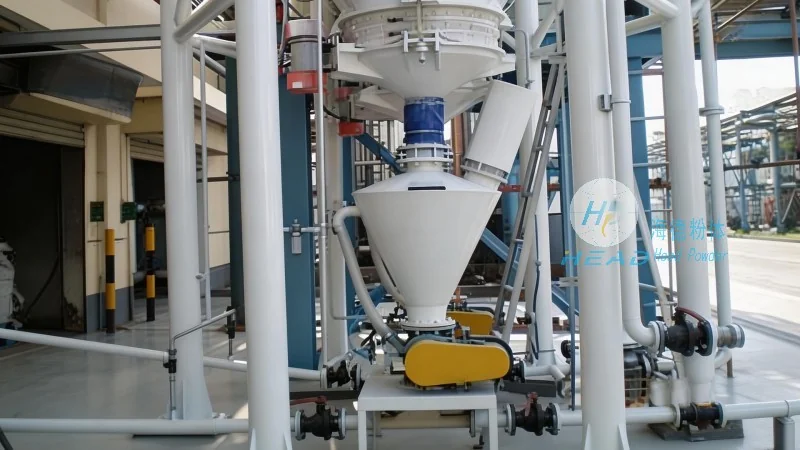
Advantages of Continuous Powder Conveying
Automatic continuous powder conveying systems offer numerous advantages over traditional methods. These include improved material flow consistency, reduced risk of material degradation or contamination, enhanced safety through automated operation, and increased operational efficiency. The continuous nature of the system minimizes interruptions, allowing for uninterrupted production processes. Additionally, the modular design of these systems enables easy integration with existing production lines and scalability to accommodate varying material volumes. The reliability and precision of HeadPowder's systems ensure that clients can achieve consistent results while maintaining cost-effectiveness and operational flexibility.
Application Examples and Industry Impact
The applications of automatic continuous powder conveying systems span multiple industries, including pharmaceuticals, food processing, chemical manufacturing, and mining. In the pharmaceutical industry, for example, precise powder handling is essential to maintain product purity and compliance with regulatory standards. HeadPowder's systems are designed to meet these stringent requirements, providing clean and controlled transport of active ingredients and excipients. Similarly, in the food industry, the systems ensure hygienic handling of powders, preventing cross-contamination and maintaining product quality. The impact of these systems extends beyond individual applications, contributing to overall industrial efficiency and sustainability by optimizing material usage and reducing waste.