

Introduction to Equipment and Structural Principles of a Magnesium Sulfate Heptahydrate Pneumatic Co
The system is designed for the efficient and reliable transportation of magnesium sulfate heptahydrate, a critical chemical widely used in pharmaceuticals, agriculture, and industrial processes. As a key component in various applications, the proper handling and transfer of this material require specialized equipment to ensure safety, efficiency, and product integrity. This article provides an overview of the equipment involved in a pneumatic conveying system for magnesium sulfate heptahydrate, detailing its components, operational principles, and the engineering considerations that make it suitable for industrial use. The system is engineered to handle the unique properties of magnesium sulfate heptahydrate, including its hygroscopic nature and potential for generating dust during handling, ensuring that the material is transported without degradation or contamination.
Key Components and Structural Design
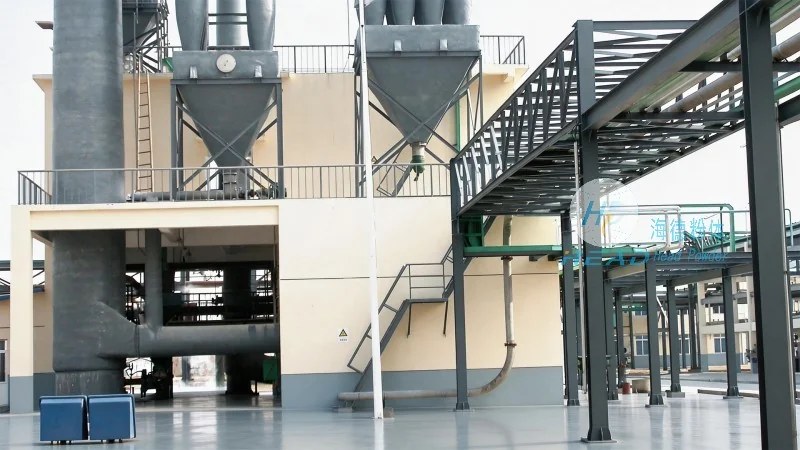
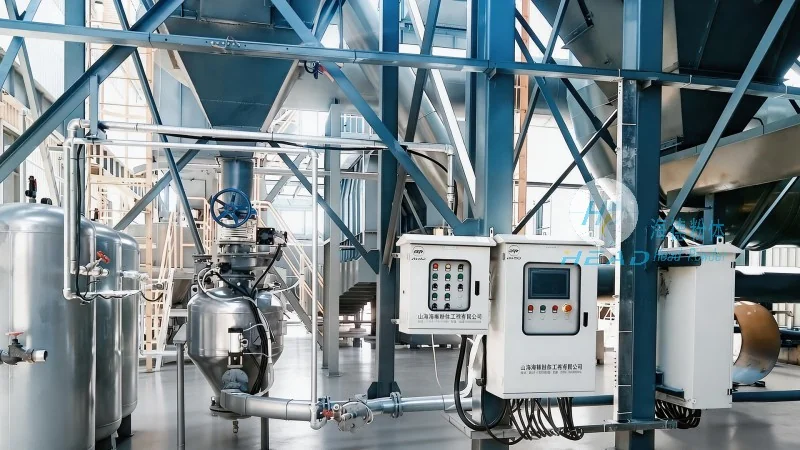
The pneumatic conveying system for magnesium sulfate heptahydrate typically consists of several core components, each playing a vital role in the overall operation. The primary components include a hopper for material storage, a feeder to control the flow rate, a conveying line (often equipped with a pipeline and possibly a venturi or rotary valve), a dust collection system, and a discharge unit. The structural design emphasizes durability and corrosion resistance, as magnesium sulfate heptahydrate can be hygroscopic and may cause corrosion in certain environments. Materials such as stainless steel or specialized coatings are commonly used for components that come into direct contact with the material to prevent degradation and ensure long-term performance. The hopper is designed with a sloped bottom to facilitate material flow and prevent clogging, while the feeder, often a rotary valve or screw feeder, regulates the flow rate to maintain a consistent air-to-solid ratio. The conveying line, constructed from durable materials like stainless steel or PVC, includes bends and fittings that are carefully engineered to minimize pressure loss and maintain the flow of air and material. The dust collection system, typically a baghouse or cartridge filter, captures fine particles to ensure air quality and compliance with environmental regulations. The discharge unit at the end of the pipeline collects the material and delivers it to the intended destination, completing the conveying process.
Operational Principles and Working Mechanism
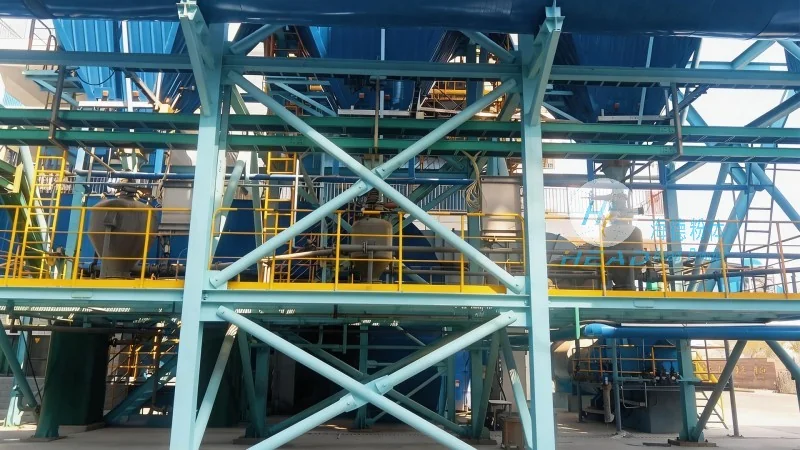
The pneumatic conveying system operates on the principle of using air or gas to transport solid particles through a pipeline. In the case of magnesium sulfate heptahydrate, the material is first fed into the system from the hopper. The feeder then regulates the flow, ensuring a consistent and controlled rate of material introduction. The conveying line, which may include a venturi or other acceleration devices, uses compressed air to create a flow that carries the solid particles along the pipeline. The air flow is carefully managed to maintain the material in a suspended state, preventing blockages and ensuring smooth transport. The system also incorporates a dust collection system to capture any fine particles that may be generated during the process, maintaining air quality and compliance with environmental regulations. The discharge unit at the end of the pipeline collects the material and delivers it to the next stage of the production process, such as packaging or further processing. The entire process is controlled by a system of valves, sensors, and controls that monitor pressure, flow rate, and material level, ensuring optimal performance and safety.
Advantages and Applications
Implementing a pneumatic conveying system for magnesium sulfate heptahydrate offers several advantages over traditional methods such as belt conveyors or bucket elevators. These systems are particularly effective for handling fine or dusty materials, as they minimize product degradation and reduce the risk of contamination. The enclosed pipeline design also helps maintain product purity and prevents exposure to moisture or other environmental factors. Additionally, pneumatic conveying systems can be easily integrated into existing production lines, allowing for flexible and scalable operations. The applications of this system are diverse, including the transportation of magnesium sulfate heptahydrate in pharmaceutical manufacturing for the production of antacids and other medications, in agricultural applications for fertilizer production, and in industrial processes for chemical synthesis and processing. In pharmaceutical applications, the system ensures that the material is handled in a sterile and controlled environment, meeting stringent quality standards. In agricultural applications, it facilitates the efficient transfer of magnesium sulfate heptahydrate for use as a fertilizer or soil amendment, improving crop yields and soil health. In industrial processes, it supports the production of other chemicals and materials that rely on magnesium sulfate heptahydrate as a raw ingredient.
Engineering and Installation Considerations
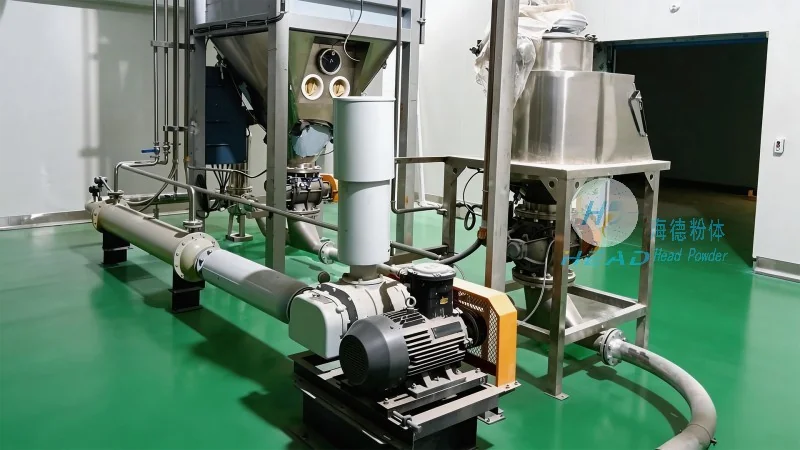
The successful implementation of a magnesium sulfate heptahydrate pneumatic conveying system requires careful engineering and installation to ensure optimal performance and longevity. Factors such as the material's properties, including its particle size, moisture content, and flow characteristics, must be considered when designing the system. The system's capacity and pressure requirements are determined based on the production volume and the distance the material needs to be transported. Proper sealing and maintenance of the components are essential to prevent air leaks and ensure consistent operation. The installation process involves precise alignment of the pipeline, proper grounding of electrical components, and thorough testing to verify that the system meets all safety and performance standards. Regular maintenance, including cleaning of the hopper, feeder, and conveying line, is also crucial to prevent clogging and maintain the system's efficiency over time. As a leading provider of engineering solutions, Shandong HeadPowder Engineering Co., Ltd. specializes in designing and manufacturing pneumatic conveying systems tailored to the specific needs of each client. With facilities located in Shandong, China, the company leverages advanced technology and skilled engineering to deliver high-quality, reliable equipment that enhances operational efficiency and product safety. Their expertise in handling materials like magnesium sulfate heptahydrate ensures that the systems are optimized for performance, durability, and compliance with industry standards.