

Introduction to Fly Ash Silo Powder Conveying and Structural Principle Overview
HeadPowder, a leading engineering firm headquartered in Shandong, China, specializes in the design and implementation of advanced powder handling systems. This article provides a comprehensive overview of fly ash silo powder conveying systems, focusing on their structural design and operational principles. The company's expertise ensures clients receive efficient and reliable solutions tailored to specific industrial needs.
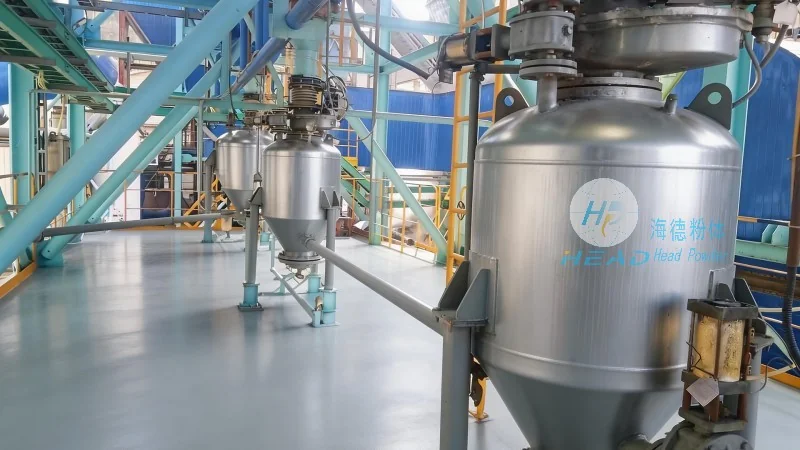
Core Components of Fly Ash Silo Powder Conveying Systems
The foundation of any fly ash silo powder conveying system is the silo itself, engineered to store and manage large volumes of fly ash. These silos typically feature a cylindrical or conical shape, constructed from high-strength materials like steel or reinforced concrete to withstand the weight and pressure of stored material. The design incorporates a conical bottom to prevent material bridging—a common issue in fine powders like fly ash—and facilitates smooth discharge. A hopper or discharge outlet connects the silo to the conveying mechanism, ensuring controlled material flow. HeadPowder's engineers prioritize structural integrity, adhering to industry standards such as ASME or ISO to guarantee safety and performance.
Conveying Mechanisms: Air-Slurry and Mechanical Solutions
HeadPowder employs two primary conveying methods for fly ash transport: air-slurry systems and mechanical systems. The air-slurry approach involves mixing fly ash with a small amount of water to create a slurry, which is pumped through pipelines using positive displacement pumps. This method excels at long-distance transport and high-volume handling with minimal pressure loss. The mechanical system utilizes screw conveyors, belt conveyors, or bucket elevators for dry fly ash. Screw conveyors suit horizontal or slight incline transport, while bucket elevators are ideal for vertical lifting, often integrated with silo discharge mechanisms. Both systems are optimized for efficiency and reliability in industrial settings.
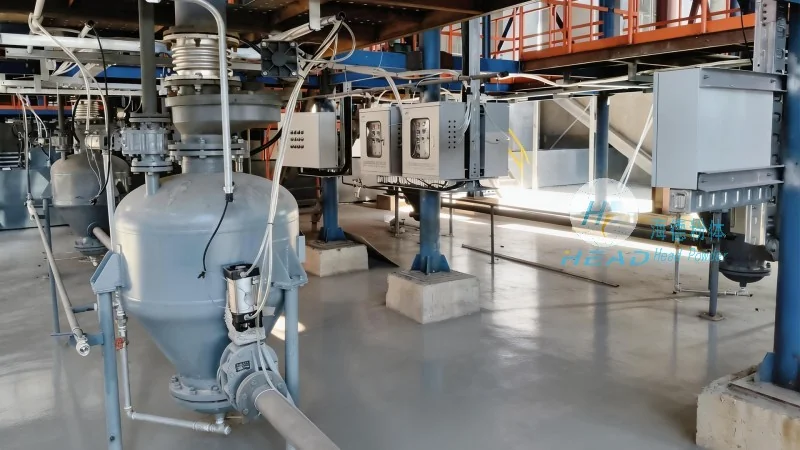
Structural Principles: Safety and Efficiency Integration
The structural integrity of the silo is critical to system performance. Engineers design silos to withstand internal material pressure and external factors like weather or seismic activity. Safety features such as pressure relief valves and level sensors monitor material levels, preventing overfilling or underfilling. These principles ensure the conveying system operates efficiently while maintaining the highest safety standards. HeadPowder's solutions are built on robust engineering, balancing material handling requirements with operational reliability.
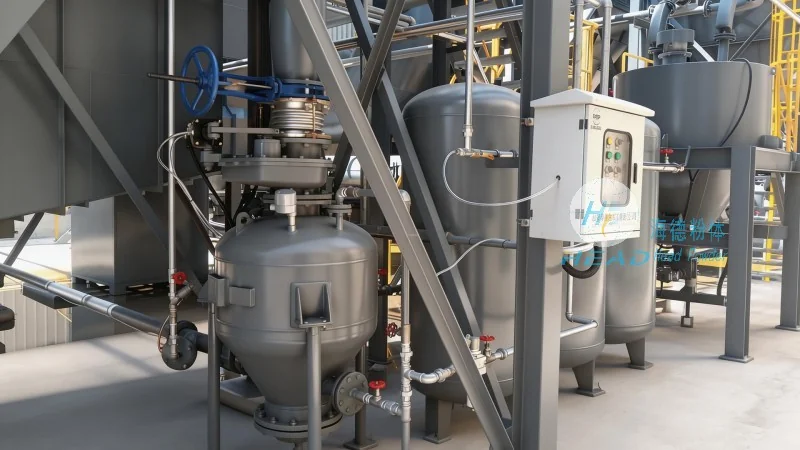
Industrial Applications and System Integration
Fly ash silo powder conveying systems are widely used in power plants, cement factories, and other facilities where fly ash is a combustion byproduct. The systems integrate seamlessly with existing infrastructure, enabling efficient utilization of fly ash as a raw material in cement production or as a supplementary cementitious material. HeadPowder tailors solutions to client-specific needs, considering factors like fly ash volume, transport distance, and environmental regulations. By optimizing silo design and conveying mechanisms, the company helps clients reduce transportation costs and enhance operational sustainability.
Conclusion: HeadPowder's Role in Advanced Powder Handling
In summary, fly ash silo powder conveying systems are essential for modern industrial operations, enabling safe and efficient fine powder management. HeadPowder, with its Shandong-based operations, has established itself as a trusted provider of these systems. Through advanced engineering, robust structural designs, and client-focused integration, HeadPowder delivers reliable solutions that improve performance and sustainability in powder handling processes. The company's commitment to structural integrity and operational efficiency ensures clients achieve optimal results in their industrial applications.