

Introduction to the Equipment and Structural Principles of a Magnesium Hydroxide Pneumatic Conveying
HeadPowder, a leading provider in the field of material handling solutions, specializes in the design and manufacturing of advanced pneumatic conveying systems tailored for various industrial applications. This article provides an overview of the key equipment involved in a magnesium hydroxide pneumatic conveying system, along with a detailed explanation of its structural principles and operational mechanisms.
Company Profile and Background
HeadPowder, formally known as Shandong HeadPowder Engineering Co., Ltd., is headquartered in Shandong, China. With a strong commitment to innovation and quality, the company has established itself as a trusted partner for businesses seeking efficient and reliable material transport solutions. Our expertise lies in customizing pneumatic conveying systems to meet the specific needs of clients, ensuring optimal performance and durability in demanding industrial environments.
Overview of the Magnesium Hydroxide Pneumatic Conveying System
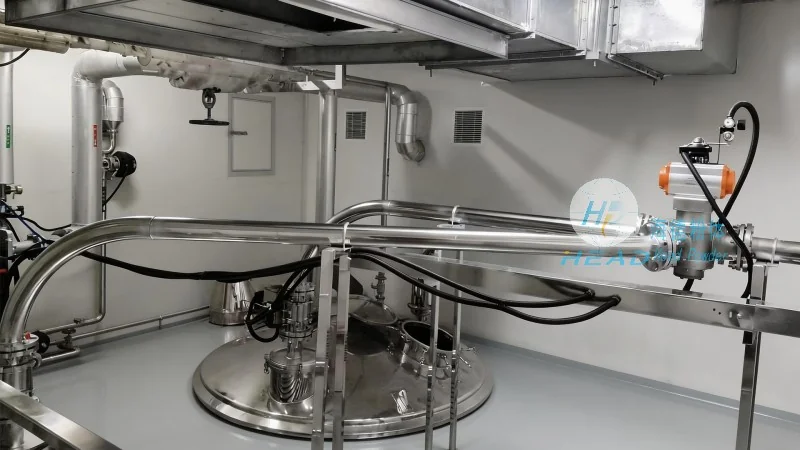
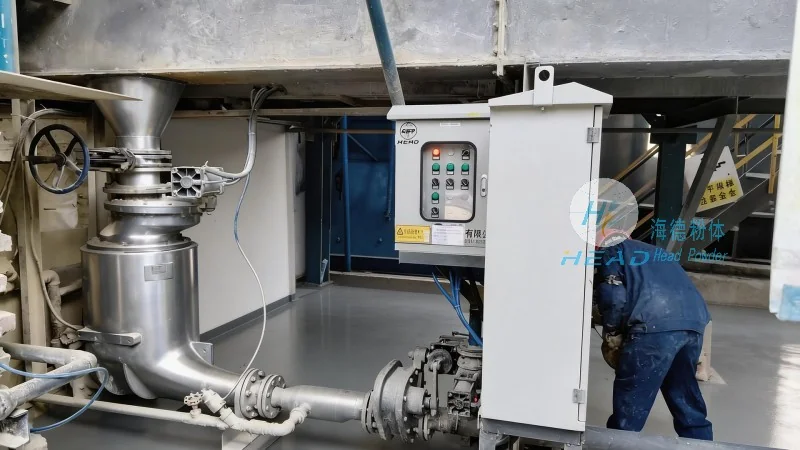
The magnesium hydroxide pneumatic conveying system is a sophisticated setup designed to transport magnesium hydroxide powder efficiently and safely. This system utilizes compressed air or other gases to move the material from the source to the destination, eliminating the need for traditional mechanical conveyors that may cause contamination or material degradation. The equipment typically includes a hopper, a feeder, a conveying line, and a receiver, each playing a crucial role in the overall operation.
Key Equipment Components and Their Functions
1. Hopper: The hopper serves as the storage container for the magnesium hydroxide powder. It is designed with a conical or rectangular shape to facilitate uniform material flow and prevent clogging. The hopper is equipped with a discharge valve or a rotary valve to control the release of the material into the feeder.
2. Feeder: The feeder is responsible for regulating the flow rate of the magnesium hydroxide from the hopper into the conveying line. It ensures a consistent and controlled supply of material, preventing overfeeding or underfeeding that could affect the conveying efficiency. Common types of feeders include rotary valves, screw feeders, or vibratory feeders, depending on the system requirements.
3. Conveying Line: The conveying line is the core component of the pneumatic system, where the material is transported through the use of compressed air. It is typically made of stainless steel or other corrosion-resistant materials to withstand the abrasive nature of the magnesium hydroxide powder. The line may include bends, elbows, or expansion joints to accommodate changes in direction and pressure.
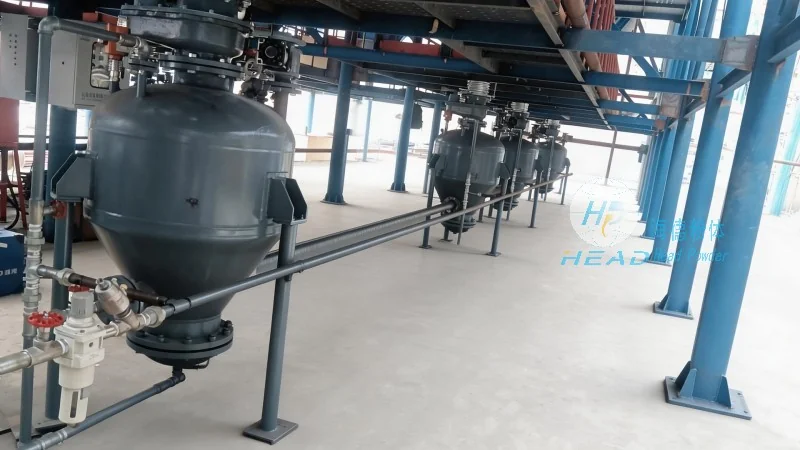
4. Receiver: The receiver is the final component where the conveyed magnesium hydroxide is deposited. It is designed to collect the material and prevent dust emissions. The receiver may be equipped with a dust collection system or a venting mechanism to maintain a clean and safe working environment.
Structural Principles and Operational Mechanisms
The pneumatic conveying system operates based on the principle of fluidization and drag force. When compressed air is introduced into the conveying line, it creates a low-pressure zone that draws the magnesium hydroxide powder into the line. The air flow carries the material through the system, maintaining a consistent velocity to prevent particle separation or deposition. The structural design of the equipment, including the hopper's angle, the feeder's speed, and the line's diameter, all contribute to the system's efficiency and reliability.
Advantages of the Magnesium Hydroxide Pneumatic Conveying System
Implementing a pneumatic conveying system for magnesium hydroxide offers several advantages over traditional methods. Firstly, it provides a dust-free and hygienic environment, which is crucial for applications in food, pharmaceutical, or chemical industries. Secondly, the system reduces material degradation and contamination, ensuring the quality of the magnesium hydroxide remains intact. Additionally, the equipment is compact and easy to install, requiring minimal space and maintenance. The system also offers flexibility in terms of material handling, allowing for vertical or horizontal transport as needed.
Application Scenarios and Industry Use Cases
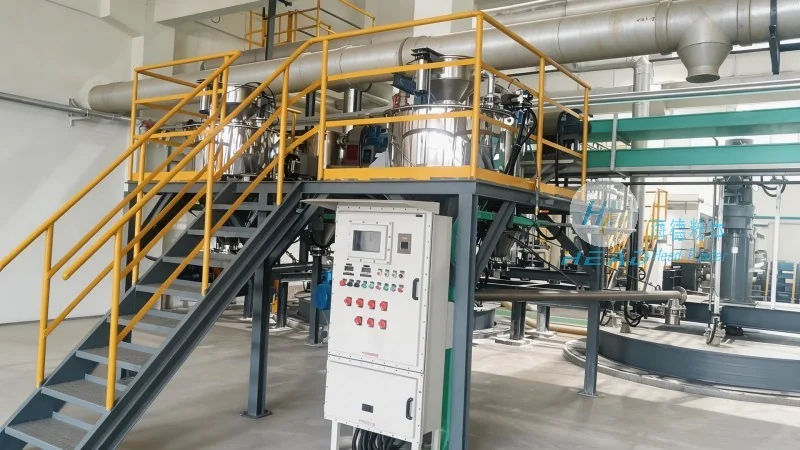
The magnesium hydroxide pneumatic conveying system is widely used in various industries, including chemical manufacturing, pharmaceutical production, and food processing. In the chemical industry, it is employed to transport magnesium hydroxide used as a filler or flame retardant in plastic and rubber products. In the pharmaceutical sector, the system ensures the safe and clean transport of magnesium hydroxide used in drug formulations. The food industry also benefits from this system when handling magnesium hydroxide as an anti-caking agent or a dietary supplement.
Conclusion and Future Developments
HeadPowder's magnesium hydroxide pneumatic conveying system represents a cutting-edge solution for efficient material handling. By integrating advanced structural design and operational principles, the system ensures high performance, reliability, and safety. As industrial demands evolve, HeadPowder continues to innovate, developing new technologies and solutions to meet the changing needs of the market. The company's commitment to quality and customer satisfaction makes it a preferred choice for businesses seeking reliable pneumatic conveying systems.