

[Sodium Hypochlorite Pneumatic Conveying System Equipment Introduction and Structural Principle Expl
HeadPowder, a leading engineering company based in Shandong, China, specializes in the design, manufacturing, and installation of advanced pneumatic conveying systems for sodium hypochlorite applications. This article provides an overview of the key equipment involved in such systems, along with a detailed explanation of their structural principles and operational mechanisms.
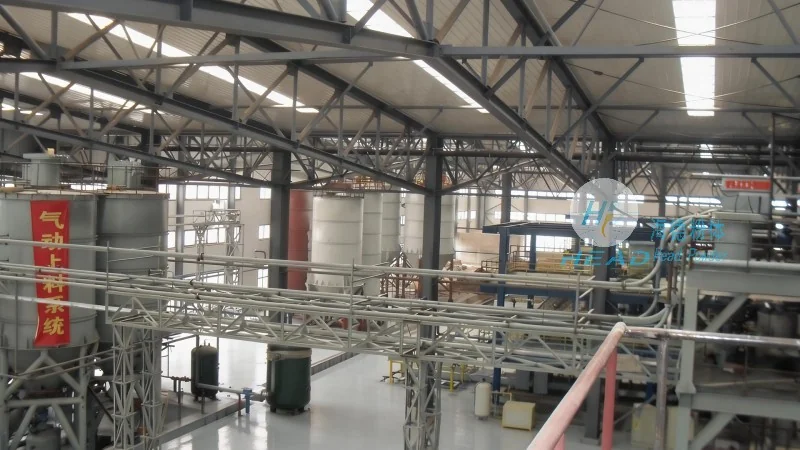
Company Profile and Background
HeadPowder Engineering Co., Ltd. is a reputable enterprise dedicated to providing high-quality industrial solutions. With a strong focus on innovation and customer satisfaction, the company has established itself as a trusted partner in the chemical processing and material handling sectors. Headquartered in Shandong, China, HeadPowder leverages its extensive industry experience to deliver reliable and efficient pneumatic conveying systems tailored to the unique needs of its clients.
Introduction to Sodium Hypochlorite Pneumatic Conveying Systems
Sodium hypochlorite (NaOCl), commonly known as bleach, is a widely used chemical in water treatment, disinfection, and industrial cleaning processes. The efficient and safe transportation of this liquid chemical is crucial for maintaining operational efficiency and ensuring product quality. Pneumatic conveying systems offer a robust solution for handling sodium hypochlorite, enabling seamless transfer from storage tanks to processing units or other destinations within a facility.
Key Equipment Components and Their Functions
The sodium hypochlorite pneumatic conveying system typically consists of several critical components, each playing a vital role in the overall operation. These components include:
1. Storage Tank and Pumping System: The system begins with a storage tank that holds the sodium hypochlorite solution. A high-pressure pump is used to transfer the liquid from the tank to the conveying line, ensuring consistent flow and pressure. This component is essential for maintaining the required fluid pressure for effective pneumatic transport.
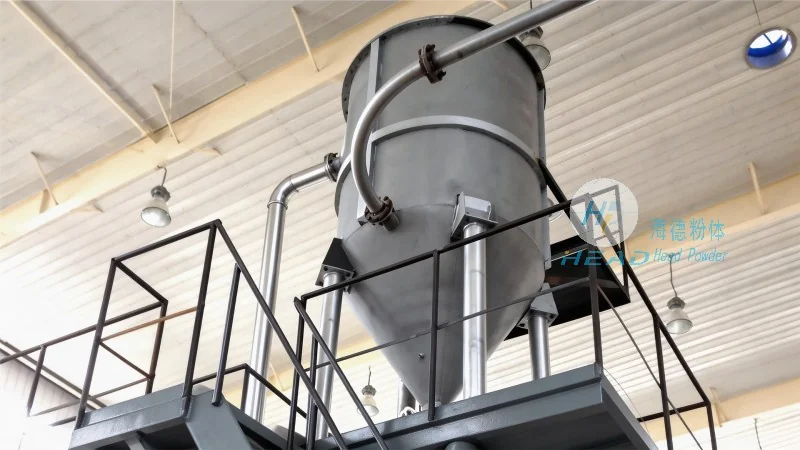
2. Air Compressor and Blower: The air compressor or blower generates the necessary airflow to move the sodium hypochlorite particles through the conveying line. The air is introduced into the system at a controlled pressure, creating a flow that propels the liquid and any suspended solids. The choice of compressor type (e.g., rotary lobe, centrifugal) depends on the system's capacity and operational requirements.
3. Conveying Line and Pipe Fittings: The conveying line, usually made of corrosion-resistant materials such as stainless steel or PTFE, is designed to withstand the chemical properties of sodium hypochlorite. Various pipe fittings, including elbows, tees, and valves, are integrated into the system to direct the flow and control the movement of the material. The design of the line is optimized to minimize pressure drop and ensure smooth transport.
4. Solids Feed and Metering Equipment: For systems that handle a mixture of liquid and solid particles (e.g., in slurry form), a solids feed hopper and metering device are used to introduce the solid component into the conveying line. This equipment ensures a consistent ratio of solids to liquid, maintaining the desired slurry concentration for efficient transport.
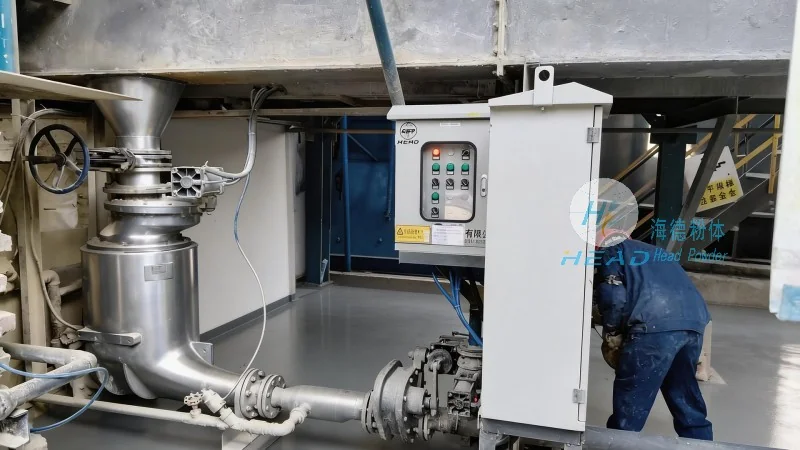
5. Control and Monitoring System: A sophisticated control system is integrated into the pneumatic conveying system to monitor and regulate key parameters such as pressure, flow rate, and temperature. Sensors and control valves allow for real-time adjustments, ensuring the system operates within safe and optimal conditions. This component enhances the system's reliability and reduces the risk of operational issues.
Structural Principles and Operational Mechanisms
The structural principles of a sodium hypochlorite pneumatic conveying system are based on the fundamental concepts of fluid dynamics and pneumatic transport. The system operates by creating a pressure differential between the inlet and outlet of the conveying line. The air compressor generates a high-pressure air stream, which is introduced into the system at the inlet. This air stream mixes with the sodium hypochlorite liquid, creating a slurry or suspension that is propelled through the line by the air flow.
The velocity of the air stream is a critical factor in the system's performance. It must be sufficient to overcome the gravitational forces acting on the liquid and any suspended solids, while also maintaining the integrity of the material being transported. The design of the conveying line and the selection of the air compressor are optimized to achieve the required air velocity for efficient transport.
The system's structural design also considers the chemical compatibility of the materials used. Sodium hypochlorite is a corrosive chemical, and the equipment must be constructed from materials that can withstand its effects over time. Stainless steel and PTFE are commonly used for components that come into direct contact with the chemical, ensuring durability and long-term performance.
Advantages of Pneumatic Conveying for Sodium Hypochlorite
Implementing a pneumatic conveying system for sodium hypochlorite offers several advantages over traditional methods such as gravity or mechanical conveying. These benefits include:
1. Enhanced Safety and Environmental Protection: Pneumatic conveying systems minimize the risk of spills and leaks, reducing the exposure of personnel to hazardous chemicals. The enclosed system also helps prevent the release of volatile compounds into the environment, contributing to better workplace safety and compliance with environmental regulations.
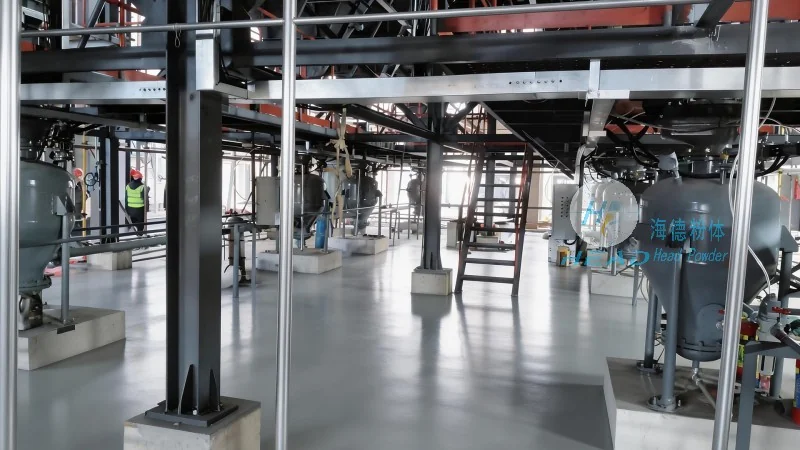
2. Improved Efficiency and Product Quality: The consistent flow and controlled pressure in pneumatic conveying systems ensure that the sodium hypochlorite is transported without degradation or contamination. This leads to higher product quality and reduced waste, as the material is handled gently and efficiently.
3. Reduced Maintenance and Operational Costs: Compared to mechanical conveying systems, pneumatic systems require less maintenance due to fewer moving parts. The enclosed design also reduces the need for cleaning and maintenance, resulting in lower operational costs over the system's lifespan.
4. Flexibility and Scalability: Pneumatic conveying systems can be easily scaled to accommodate varying production volumes and process requirements. The modular design allows for the addition or removal of components as needed, providing flexibility in adapting to changing operational needs.
Conclusion
HeadPowder Engineering Co., Ltd. provides comprehensive solutions for sodium hypochlorite pneumatic conveying systems, combining advanced engineering, high-quality materials, and expert installation services. By understanding the structural principles and operational mechanisms of these systems, industries can enhance their efficiency, safety, and overall performance in handling sodium hypochlorite. With a strong commitment to customer satisfaction and innovation, HeadPowder continues to be a leading provider of reliable and efficient pneumatic conveying solutions in China and beyond.