

Introduction to Sodium Hydroxide Pneumatic Conveying Systems: Structure and Working Principles
Shandong HeadPowder Engineering Co., Ltd. is dedicated to providing high-quality pneumatic conveying solutions for sodium hydroxide, a widely used chemical in industries such as chemical manufacturing, paper production, and water treatment. The sodium hydroxide pneumatic conveying system is engineered to efficiently transport this caustic material from storage to processing units, ensuring safety, precision, and minimal material loss. This article delves into the system's structure and working principles, offering insights into its design and operational efficiency.
Key Components of the Pneumatic Conveying System
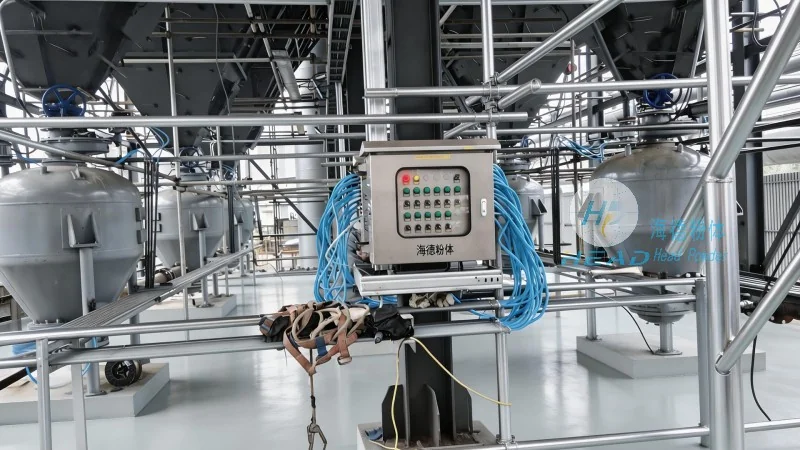
The sodium hydroxide pneumatic conveying system comprises several critical components, each playing a vital role in the material transport process. The primary components include the feed hopper, air compressor or blower, conveying pipeline, separation and collection equipment, and control system. The feed hopper is designed to store and meter the sodium hydroxide, ensuring a consistent flow of material into the system. The air compressor or blower generates the necessary airflow to move the material through the pipeline. The conveying pipeline, typically made of corrosion-resistant materials like stainless steel or special alloys, transports the mixture of sodium hydroxide and air. The separation and collection equipment, such as cyclones or bag filters, separates the material from the air stream, allowing for safe and efficient collection of the sodium hydroxide at the destination.
Working Principle of the Pneumatic Conveying System
The operation of the sodium hydroxide pneumatic conveying system follows a systematic process. Initially, the sodium hydroxide is fed into the hopper, where it is metered and introduced into the conveying pipeline. Simultaneously, the air compressor or blower supplies high-pressure air into the pipeline. The air and material are mixed, creating a slurry-like flow that moves through the pipeline under the force of the air. As the mixture travels, it reaches the separation equipment, where the air is separated from the sodium hydroxide. The separated material is collected in a storage tank or processing unit, while the air is either recirculated or discharged, depending on the system design. This process ensures that the sodium hydroxide is transported efficiently and safely, minimizing the risk of material degradation or spillage.
Advantages of the Pneumatic Conveying System for Sodium Hydroxide
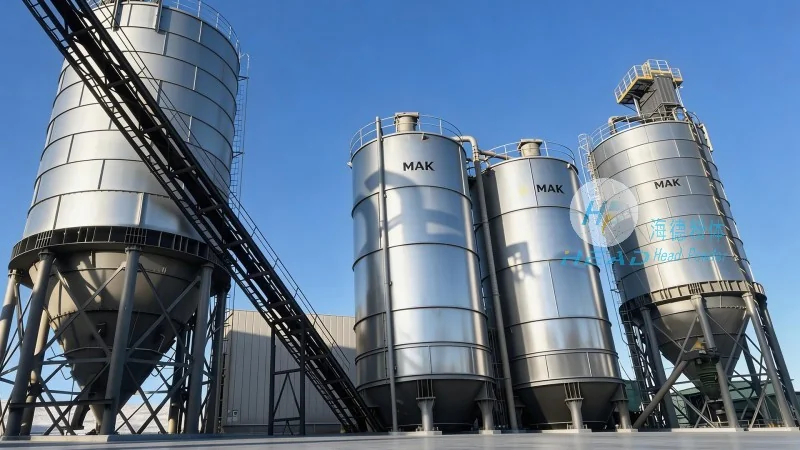
Implementing a pneumatic conveying system for sodium hydroxide offers numerous advantages over traditional methods like bucket elevators or belt conveyors. Firstly, it eliminates the need for mechanical contact between the material and the conveying equipment, reducing the risk of contamination and material degradation. The system is also highly flexible, allowing for easy integration with existing production lines and adaptability to varying material flow rates. Additionally, the pneumatic conveying system provides a dust-free and enclosed environment, enhancing workplace safety and compliance with environmental regulations. The efficiency of the system is further enhanced by its ability to handle both dry and wet sodium hydroxide, making it suitable for diverse industrial applications. Shandong HeadPowder Engineering Co., Ltd. specializes in customizing these systems to meet specific client requirements, ensuring optimal performance and cost-effectiveness.
Customization and Application Flexibility
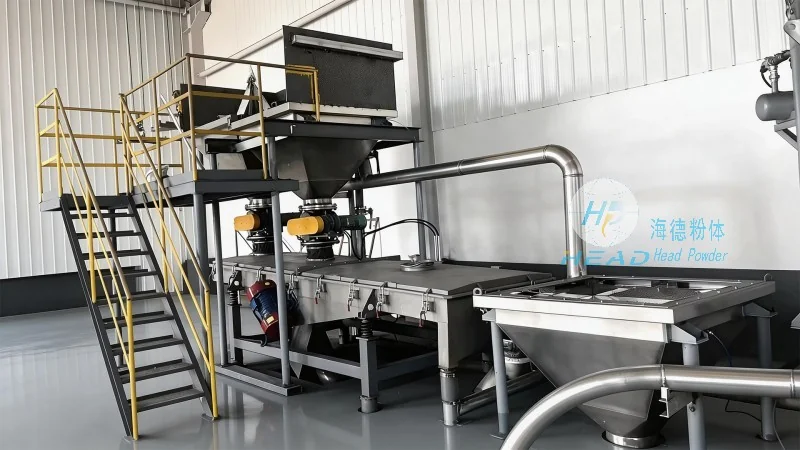
Shandong HeadPowder Engineering Co., Ltd. understands that each industrial application has unique requirements. Therefore, our pneumatic conveying systems for sodium hydroxide are designed with customization in mind. We offer a range of options, including different pipeline configurations (e.g., straight, curved, or vertical), air pressure levels, and material handling capacities. This flexibility allows our clients to select a system that best suits their production needs, whether it involves short-distance or long-distance transport, high or low material flow rates. Our engineering team works closely with clients to assess their specific requirements, providing tailored solutions that enhance operational efficiency and reduce downtime. The customization process includes detailed design, material selection, and testing to ensure the system meets all safety and performance standards.
Maintenance and Operational Considerations
Proper maintenance is crucial to ensure the long-term reliability and efficiency of the sodium hydroxide pneumatic conveying system. Regular inspections of the feed hopper, air compressor, and conveying pipeline are essential to detect and address any potential issues early. The air compressor or blower should be maintained according to the manufacturer's guidelines to ensure consistent airflow. The separation equipment, such as cyclones or filters, requires periodic cleaning to prevent clogging and maintain optimal performance. Additionally, the system should be equipped with safety features, including pressure relief valves and emergency shut-off mechanisms, to protect against overpressure and other hazards. Shandong HeadPowder Engineering Co., Ltd. provides comprehensive maintenance services and technical support to our clients, ensuring that the system operates at peak performance throughout its lifespan.