

Introduction to Sodium Fluorosilicate Pneumatic Conveying Systems: Structure and Working Principles
For industrial applications involving the handling of sodium fluorosilicate, efficient and reliable material transport is crucial. This document provides an overview of pneumatic conveying systems designed specifically for sodium fluorosilicate, detailing their structural components and operational principles. The systems are engineered to ensure safe, effective, and consistent material transfer, addressing the unique challenges associated with handling this chemical compound.
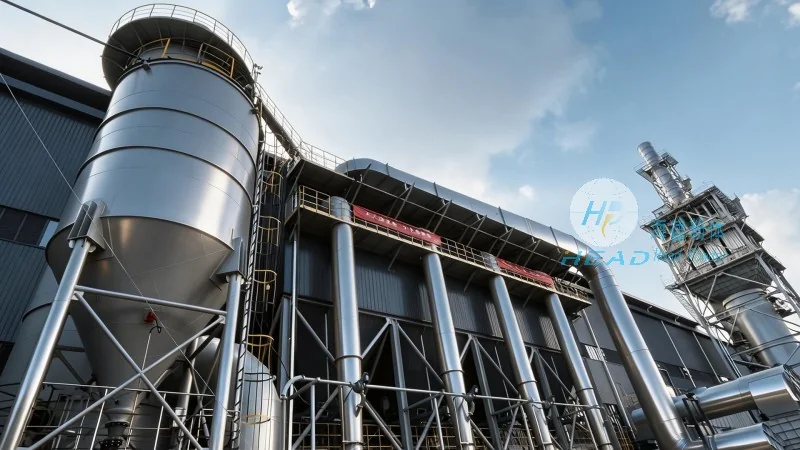
HeadPowder, a leading provider in the field, specializes in the design, manufacturing, and installation of advanced pneumatic conveying solutions. With a strong presence in Shandong, China, the company leverages over a decade of experience to deliver customized systems that meet the specific requirements of clients across various industries. The following sections will explore the key structural elements and working mechanisms of these systems, highlighting how they contribute to optimal performance in sodium fluorosilicate handling.
Core Components of the Pneumatic Conveying System
The pneumatic conveying system for sodium fluorosilicate typically consists of several critical components that work in tandem to facilitate material transport. These components are meticulously designed to handle the physical and chemical properties of sodium fluorosilicate, ensuring minimal degradation and maximum efficiency.
Firstly, the material hopper serves as the storage and feeding unit. It is constructed from corrosion-resistant materials, such as stainless steel, to withstand the chemical nature of sodium fluorosilicate and prevent contamination. The hopper is equipped with a feeding mechanism, often a rotary valve or a screw feeder, which controls the flow of material into the system. This component ensures a consistent and controlled supply of sodium fluorosilicate to the subsequent stages.
Secondly, the conveying pipeline is a central part of the system. It is made from durable materials like PVC or specialized plastic composites that are resistant to chemical attack and abrasion. The pipeline is designed with appropriate diameters and bends to minimize pressure losses and maintain the flow of the conveying medium. The system may include straight sections, elbows, and tees to direct the material along the intended path, with each component carefully sized to optimize performance.
Thirdly, the air compressor and blower unit generates the necessary airflow to move the sodium fluorosilicate particles through the pipeline. This unit is typically a positive displacement blower or a centrifugal fan, selected based on the system's capacity and pressure requirements. The compressor is equipped with filtration and moisture control systems to ensure the air is clean and dry, preventing any adverse effects on the material or the system's components.
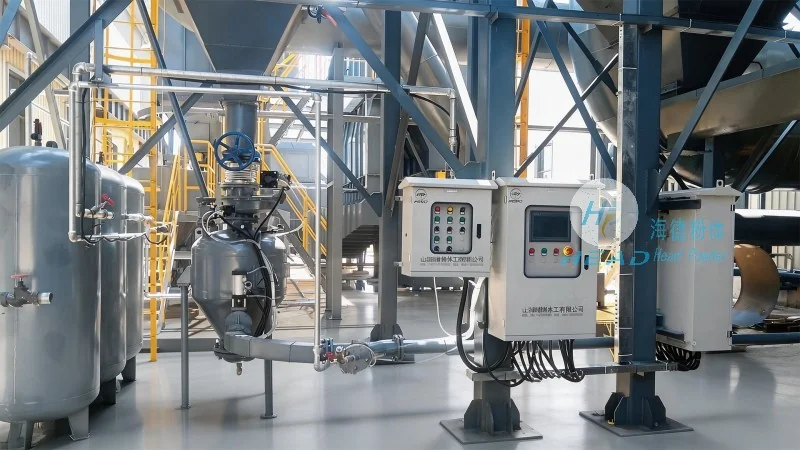
Fourthly, the separator and cyclone unit is responsible for separating the sodium fluorosilicate particles from the conveying air. As the mixture enters the separator, the air is allowed to expand and the heavier particles settle out due to gravity. The separator is often a cyclone or a bag filter, which efficiently captures the material while allowing the air to be recirculated or discharged. This component is critical for maintaining material purity and preventing dust contamination in downstream processes.
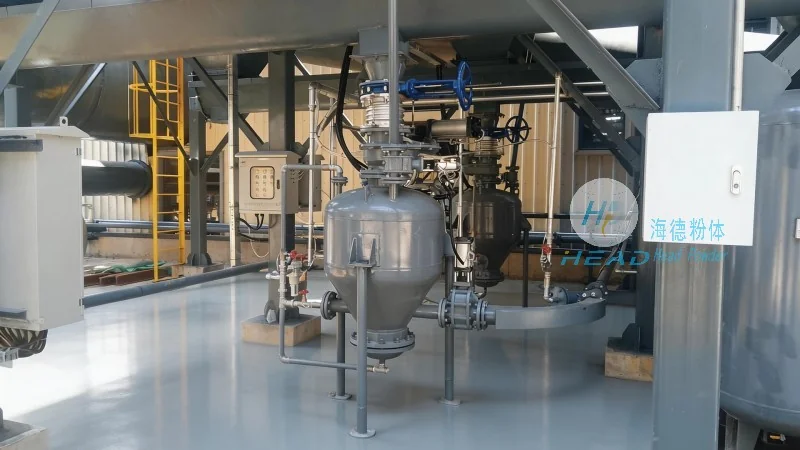
Fifthly, the material discharge and collection system handles the final delivery of sodium fluorosilicate to its destination. This may include a receiving hopper, a rotary valve, or a pneumatic conveyor to transport the material to the final storage or processing unit. The system is designed to ensure a smooth and controlled discharge, minimizing spillage and ensuring accurate material delivery.
Working Principles of the Pneumatic Conveying System
The operation of the sodium fluorosilicate pneumatic conveying system follows a systematic process that integrates all the core components. The sequence begins with the material being fed from the hopper into the conveying pipeline. Simultaneously, the air compressor generates a high-pressure airflow that is introduced into the pipeline at the hopper end.
As the air flows through the pipeline, it picks up the sodium fluorosilicate particles, creating a slurry-like mixture known as a "pneumatic stream." The velocity of the air is maintained above the minimum conveying velocity to prevent particle deposition and ensure continuous transport. The mixture travels through the pipeline, navigating bends and changes in direction with minimal pressure drop.
Upon reaching the separator unit, the mixture enters a chamber where the air expands and the particles settle out due to their higher density. The separated material is collected in a hopper or a storage bin, while the clean air is either recirculated back to the compressor or discharged to the atmosphere. The recirculation of air helps conserve energy and reduces operational costs.
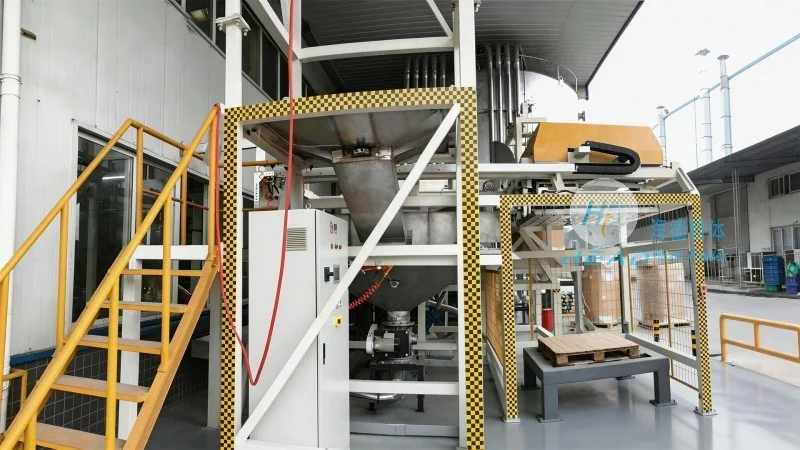
The system's efficiency is further enhanced by the use of pressure control and flow monitoring devices. These components ensure that the air pressure and flow rate remain within optimal ranges, preventing overloading or under-conveying. Additionally, the system may include safety features such as pressure relief valves and particle detectors to protect against potential hazards.
Advantages of Using Pneumatic Conveying for Sodium Fluorosilicate
Implementing a pneumatic conveying system for sodium fluorosilicate offers several advantages over traditional methods like belt conveyors or bucket elevators. Firstly, the system provides a closed-loop operation, which minimizes dust emissions and improves workplace safety. This is particularly important for sodium fluorosilicate, as it can be a respiratory irritant and cause environmental contamination if not handled properly.
Secondly, the system offers high flexibility in terms of layout and integration. The pipeline can be installed in various configurations, including overhead or underground, to suit the specific space constraints of a facility. This flexibility allows for seamless integration with existing processing equipment, reducing the need for major structural modifications.
Thirdly, pneumatic conveying systems are capable of handling a wide range of material flow rates and particle sizes. For sodium fluorosilicate, which can vary in particle size from fine powders to coarse granules, the system can be adjusted to accommodate different characteristics. This adaptability ensures consistent performance regardless of the material's physical properties.
Fourthly, the system reduces labor costs and operational time. Unlike manual handling or mechanical conveyors that require frequent maintenance and adjustments, pneumatic systems operate with minimal human intervention. The automated feeding and control mechanisms ensure continuous operation, leading to increased productivity and reduced downtime.
Fifthly, the system enhances material quality by preventing contamination and degradation. The closed environment and controlled conditions minimize exposure to moisture, air, and other contaminants, preserving the chemical integrity of sodium fluorosilicate. This is crucial for applications where the material's purity is critical, such as in the production of glass, ceramics, or other industrial chemicals.
Customization and Application Considerations
HeadPowder understands that each industrial application has unique requirements, and therefore, offers customized pneumatic conveying solutions tailored to the specific needs of clients. The company works closely with clients to assess their material handling challenges, process flow, and operational constraints to design a system that maximizes efficiency and cost-effectiveness.
When designing a system for sodium fluorosilicate, several factors are considered, including the material's bulk density, flowability, and moisture content. The system's capacity is determined based on the required throughput, with adjustments made to the pipeline diameter, air velocity, and compressor power to achieve the desired performance. Additionally, the system may be equipped with additional features such as temperature control, dust collection, or material drying to address specific application needs.
HeadPowder's team of engineers and technicians provides comprehensive support throughout the entire process, from initial consultation and system design to installation, commissioning, and after-sales service. The company's commitment to quality and customer satisfaction ensures that clients receive a reliable and durable system that meets their long-term operational goals.
By leveraging advanced engineering and manufacturing capabilities, HeadPowder delivers pneumatic conveying systems that are not only efficient but also environmentally friendly and cost-effective. The company's expertise in handling sodium fluorosilicate and other similar materials has established it as a trusted partner in the industry, providing solutions that enhance productivity and safety in industrial operations.