

Introduction to the Chromic Oxide Pneumatic Conveying System: Structure and Working Principle Explan
Chromic oxide, also known as chromium(III) oxide, is a widely used inorganic compound with applications in various industries, including pigments, catalysts, and polishing compounds. The efficient and safe transportation of this material is crucial for industrial processes, and pneumatic conveying systems have emerged as a reliable solution. This article provides an overview of the chromic oxide pneumatic conveying system, detailing its structural components and operational principles.
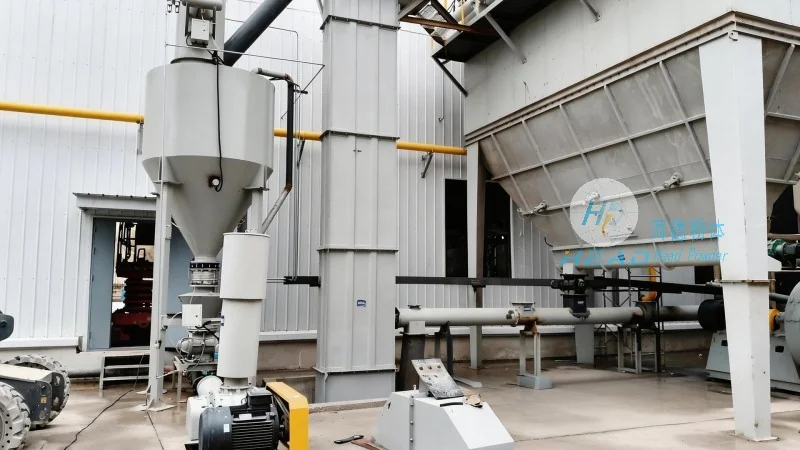
Overview of the Chromic Oxide Pneumatic Conveying System
The chromic oxide pneumatic conveying system is designed to transport fine powders like chromic oxide through a pipeline using air or other gas as the conveying medium. This method offers advantages such as reduced material contamination, lower maintenance requirements compared to mechanical conveying systems, and the ability to handle materials that are difficult to transport via traditional methods. The system is particularly suitable for applications where dust control and product purity are critical, making it a preferred choice in the chemical and manufacturing sectors.
Key Structural Components of the System
The chromic oxide pneumatic conveying system consists of several essential components that work in tandem to ensure efficient material transport. These components include the material hopper, feeder, air compressor, conveying pipeline, and dust collection system. Each component plays a vital role in the overall operation of the system.
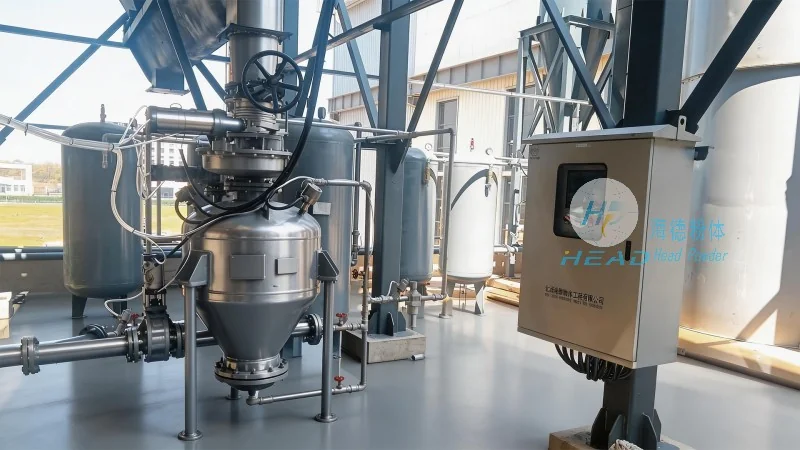
The material hopper is the storage vessel where chromic oxide is stored before being fed into the system. It is typically equipped with a discharge valve to control the flow of material. The feeder, often a rotary valve or a screw feeder, regulates the amount of material entering the conveying line, ensuring a consistent and controlled flow rate. The air compressor generates the necessary pressure and volume of air to propel the material through the pipeline. The conveying pipeline is made of materials resistant to corrosion and abrasion, such as stainless steel or special plastics, to withstand the effects of chromic oxide particles. The dust collection system, including filters and cyclones, captures any airborne particles, ensuring compliance with environmental regulations and maintaining a clean working environment.
Working Principle of the Pneumatic Conveying System
The operation of the chromic oxide pneumatic conveying system is based on the principle of fluidization and drag. When air is introduced into the material hopper, it creates a fluidized bed of chromic oxide particles. The feeder then introduces the material into the conveying pipeline at a controlled rate. The high-pressure air from the compressor then accelerates the particles, carrying them through the pipeline to the destination point. The system can operate in either positive or negative pressure modes, depending on the application requirements. In positive pressure systems, air is forced through the pipeline, while in negative pressure systems, air is drawn from the system, creating a vacuum that pulls the material.
Advantages and Applications
The chromic oxide pneumatic conveying system offers several advantages over traditional conveying methods. These include reduced material degradation, lower energy consumption, and improved safety due to enclosed systems that prevent dust exposure. The system is widely used in the production of pigments, where chromic oxide is used as a pigment for paints and coatings. It is also utilized in the manufacturing of catalysts and polishing compounds, where the material needs to be transported to different processing stages without contamination. The system's ability to handle fine powders with high efficiency makes it an essential component in many industrial processes.
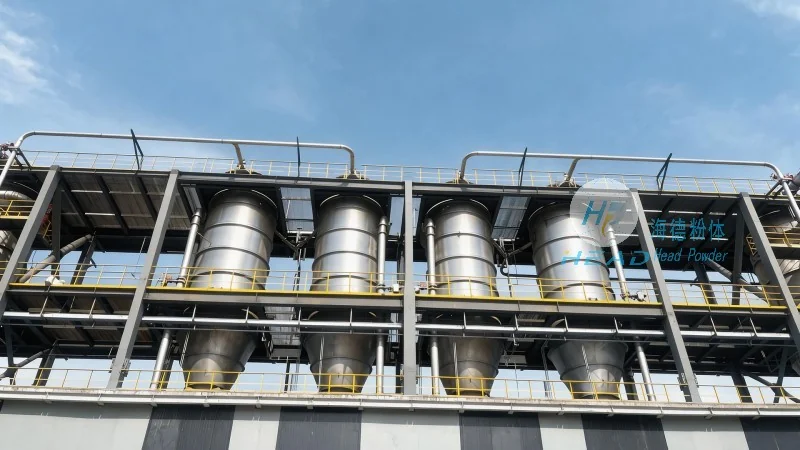
Maintenance and Operational Considerations
Proper maintenance of the chromic oxide pneumatic conveying system is crucial to ensure its longevity and efficiency. Regular cleaning of the hopper, feeder, and pipeline is necessary to prevent material buildup and blockages. The air compressor and filters should be inspected and maintained regularly to ensure optimal performance. Additionally, monitoring the pressure and flow rates in the system helps in identifying any issues early on, preventing downtime and costly repairs. The system's design, with its enclosed components, also helps in maintaining a safe working environment by minimizing dust exposure and preventing material spills.
About Shandong HeadPowder Engineering Co., Ltd.
Shandong HeadPowder Engineering Co., Ltd., operating under the brand name headpowder, is a leading manufacturer and supplier of pneumatic conveying systems and related equipment. With a focus on innovation and quality, the company provides customized solutions tailored to the specific needs of its clients. Headpowder's expertise in material handling systems, particularly for fine powders like chromic oxide, has earned it a reputation for reliability and efficiency in the industry. The company's facilities are located in Shandong, China, where it leverages advanced technology and skilled personnel to develop and produce high-quality conveying systems. By adhering to strict quality control standards, HeadPowder ensures that its products meet the highest industry standards, providing customers with durable and reliable solutions for their material handling needs.