

Introduction to Weighing and Feeding Pneumatic Conveying: Structure and Principle Explanation
Understanding the fundamentals of weighing and feeding pneumatic conveying systems is crucial for industries that rely on efficient material handling and precise dosage control. This article provides an overview of the key components, operational principles, and structural design of such systems, highlighting their importance in modern industrial applications.
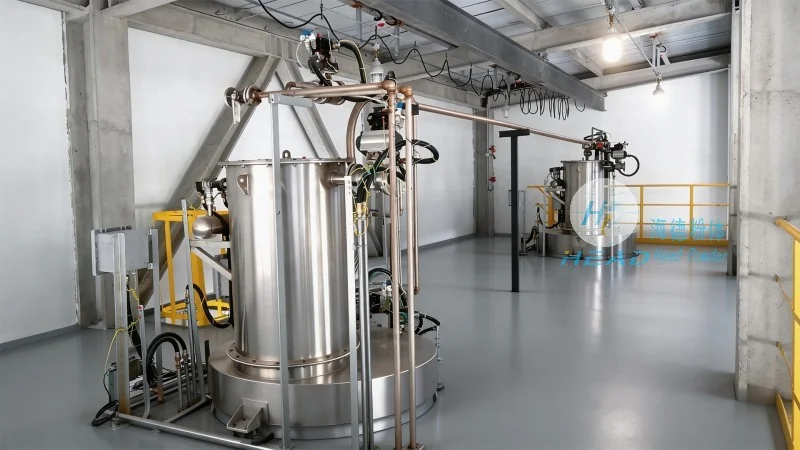
Overview of Weighing and Feeding Pneumatic Conveying Systems
Weighing and feeding pneumatic conveying systems are specialized equipment used to transport bulk materials through a pipeline using air or other gases as the conveying medium. These systems integrate weighing mechanisms with feeding controls to ensure accurate material delivery, making them essential in processes like pharmaceutical manufacturing, food processing, and chemical production where precision and consistency are paramount.
Key Components and Structural Design
The core structure of a weighing and feeding pneumatic conveying system typically includes several critical components. The primary elements are the material hopper, which stores the bulk material; the feeding device, often a rotary valve or screw feeder, that controls the material flow; the conveying pipeline, which transports the material; and the weighing hopper or scale, which measures the material mass during the conveying process. Each component is designed to work in harmony to achieve reliable and accurate material transfer.
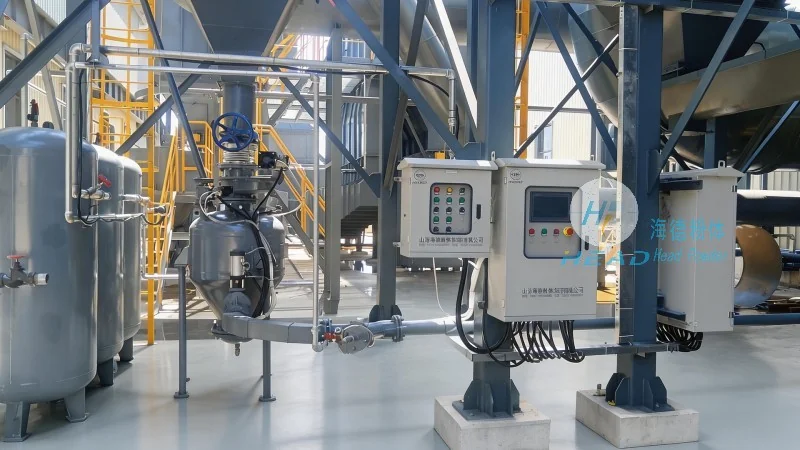
Operational Principle: How It Works
The operational principle of a weighing and feeding pneumatic conveying system involves several sequential steps. First, the material is fed from the hopper into the conveying pipeline through the feeding device. Simultaneously, air is introduced into the pipeline, creating a flow that propels the material forward. The weighing hopper, positioned along the pipeline, measures the mass of the material as it passes through, providing real-time data on the quantity being conveyed. This data is then used to adjust the feeding rate, ensuring that the desired material flow rate is maintained. The system continuously monitors and controls the material flow, maintaining consistent performance and preventing overloading or underloading.
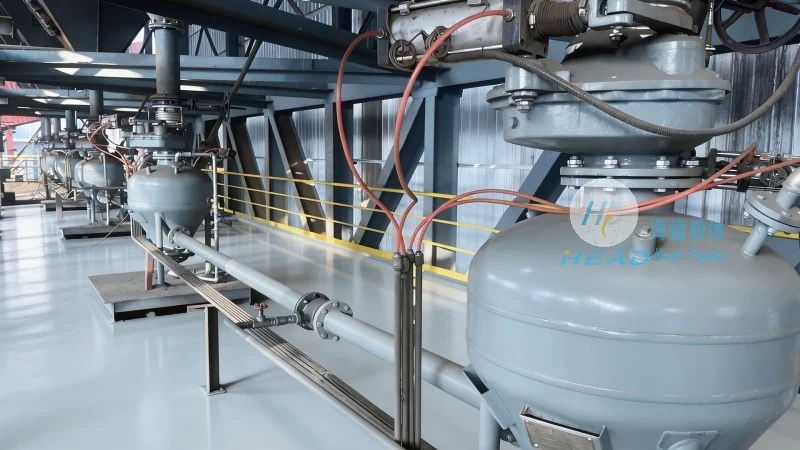
Benefits and Applications
Implementing a weighing and feeding pneumatic conveying system offers numerous benefits to industrial operations. The primary advantages include high accuracy in material dosage, which is critical for processes requiring precise ingredient ratios, such as in pharmaceuticals or food production. Additionally, these systems enhance process efficiency by reducing material waste and minimizing downtime due to equipment malfunctions. They also improve safety by containing dust and preventing material spillage, which is particularly important for hazardous materials. The applications of such systems span across various industries, including chemical manufacturing, food processing, pharmaceuticals, and mining, where bulk material handling is a common requirement.
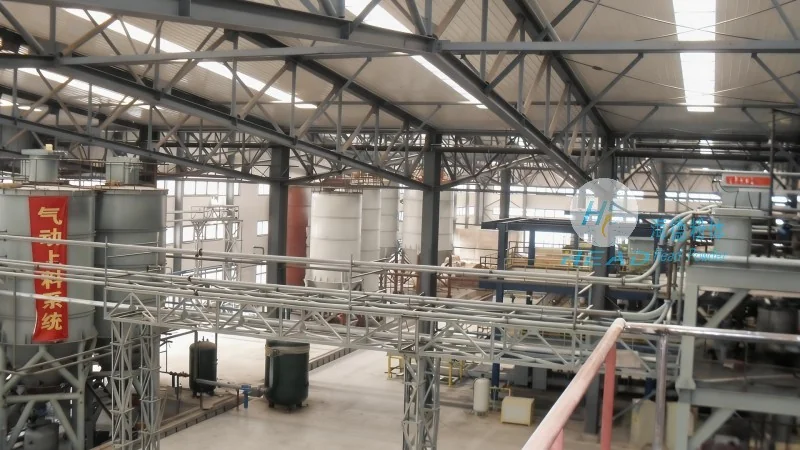
Company Profile: Shandong HeadPowder Engineering Co., Ltd.
HeadPowder, a leading manufacturer in the field of material handling equipment, specializes in designing and manufacturing advanced weighing and feeding pneumatic conveying systems. With a focus on innovation and precision engineering, the company has established itself as a trusted partner for industries seeking reliable and efficient material transfer solutions. HeadPowder's products are engineered to meet the stringent requirements of modern industrial applications, ensuring durability, accuracy, and performance. The company's commitment to quality and customer satisfaction has earned it a reputation for excellence in the industry.
Conclusion
Weighing and feeding pneumatic conveying systems represent a sophisticated solution for precise bulk material handling, combining advanced technology with robust design. By integrating weighing mechanisms with pneumatic conveying, these systems provide industries with the ability to control material flow with high accuracy and efficiency. As demand for precise material handling increases across various sectors, the importance of such systems continues to grow. For businesses seeking reliable and efficient material transfer solutions, investing in a well-designed weighing and feeding pneumatic conveying system from a reputable manufacturer like Shandong HeadPowder Engineering Co., Ltd. is a strategic decision that can enhance operational performance and product quality.