

Introduction to Automatic Continuous Pneumatic Conveying: Structure and Principle Explanation
Automatic continuous pneumatic conveying systems represent a critical technology in material handling, offering efficient and reliable solutions for transporting bulk materials over varying distances. These systems have become indispensable in industrial settings, where the need for seamless, automated material movement is paramount. The following overview delves into the structure and operational principles of such systems, with a focus on the offerings from Shandong HeadPowder Engineering Co., Ltd., a leading provider in the field.
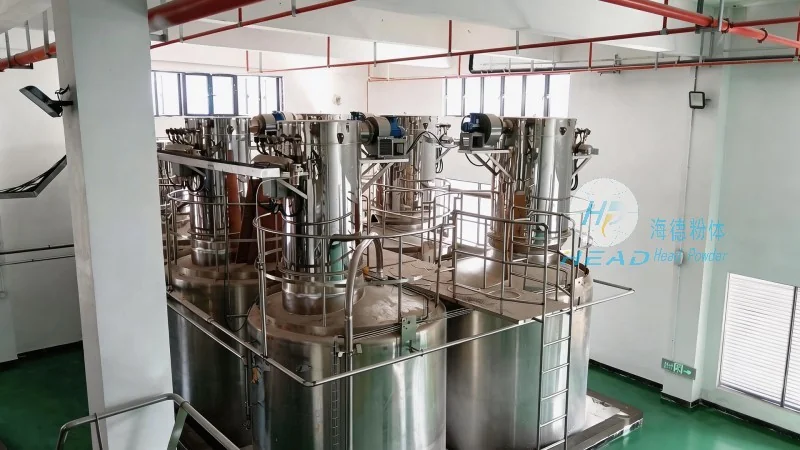
Company Profile: Shandong HeadPowder Engineering Co., Ltd.
HeadPowder, the abbreviated name for Shandong HeadPowder Engineering Co., Ltd., is a reputable enterprise based in Shandong, China. The company specializes in the design, manufacturing, and integration of advanced pneumatic conveying solutions tailored to diverse industrial requirements. With a strong commitment to innovation and quality, HeadPowder has established itself as a trusted partner for businesses seeking efficient material handling systems. The company’s headquarters and operational base are located in Shandong, China, providing a strategic advantage in serving both domestic and international markets.
Understanding Automatic Continuous Pneumatic Conveying
Automatic continuous pneumatic conveying systems are engineered to transport bulk materials in a continuous, unbroken flow using compressed air or other gases as the primary motive force. Unlike traditional mechanical conveyors, which rely on mechanical components like belts or screws, pneumatic systems utilize the principles of fluid dynamics to move materials through a network of pipes. This approach offers several advantages, including the ability to handle a wide range of materials—from fine powders to granular solids—and to operate in environments where mechanical contact with the material could be detrimental.
Key Structural Components and Their Functions
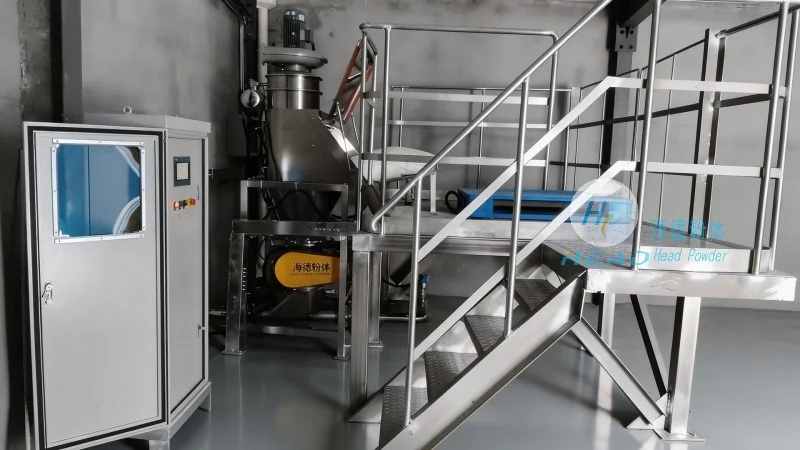
The effectiveness of an automatic continuous pneumatic conveying system hinges on its well-designed components, each playing a crucial role in the overall operation. The primary components typically include:
- Feeder: The feeder is responsible for introducing the material into the conveying system. It ensures a consistent and controlled flow of material, preventing blockages and maintaining system efficiency. Various types of feeders, such as rotary valves or screw feeders, are used depending on the material characteristics and application requirements.
- Pneumatic Conveying Line: This is the core of the system, consisting of a network of pipes through which the material and air mixture travels. The design of the line, including pipe diameter, length, and bends, is critical to minimizing pressure drop and ensuring smooth material transport. Properly sized and configured lines are essential for maintaining the system’s performance and energy efficiency.
- Separation and Collection Equipment: At the receiving end of the system, separation and collection equipment is used to separate the material from the air stream. This may include cyclones, filters, or other devices that capture the material while allowing the air to be recirculated or discharged. The efficiency of these components directly impacts the overall system performance and the quality of the delivered material.
- Control System: Modern automatic continuous pneumatic conveying systems are equipped with advanced control systems that monitor and regulate the operation of the feeder, air pressure, and other parameters. These systems ensure optimal performance, prevent system failures, and provide real-time data for process optimization. The integration of automation enhances the system’s reliability and reduces the need for manual intervention.
Operational Principle: How the System Works
The operation of an automatic continuous pneumatic conveying system follows a systematic process that combines material feeding, air induction, and transport. The sequence typically begins with the feeder introducing the material into the conveying line. Simultaneously, compressed air is introduced at the start of the line, creating a flow that propels the material forward. As the material travels through the pipes, it is suspended and carried by the air stream, moving efficiently to the destination point.
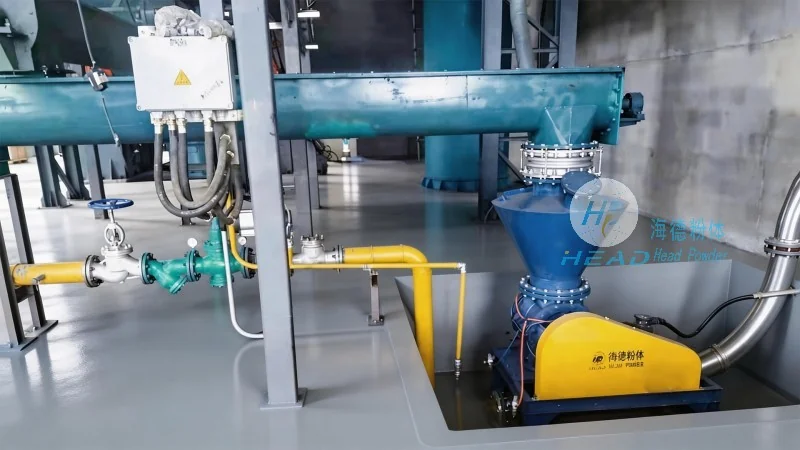
The system maintains a continuous flow by continuously feeding material and supplying air. The pressure drop along the conveying line is managed through proper pipe sizing and the use of appropriate bends and fittings. At the receiving end, the material is separated from the air using a separator, and the air is either recirculated back into the system or vented to the atmosphere. The control system continuously adjusts the air pressure and flow rate to maintain the desired material velocity and system efficiency.
Advantages of Automatic Continuous Pneumatic Conveying
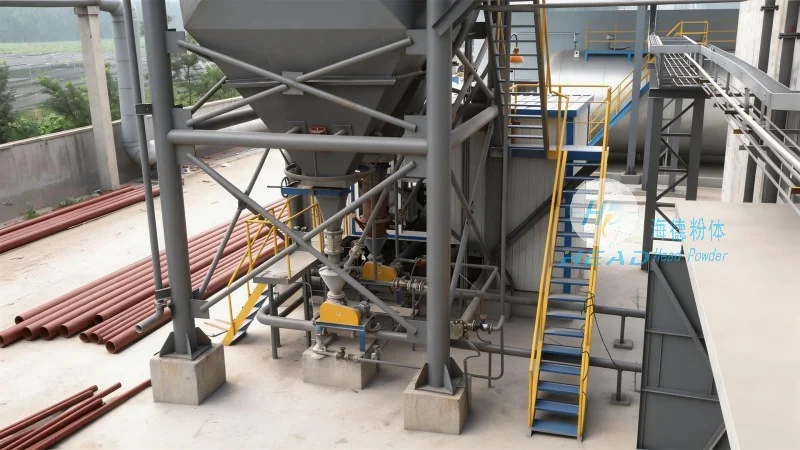
Automatic continuous pneumatic conveying systems offer several key advantages that make them a preferred choice for many industries. These include:
- Continuous and Uninterrupted Operation: Unlike batch or intermittent systems, continuous systems provide a steady flow of material, reducing downtime and improving overall productivity.
- Flexibility in Material Handling: The systems can handle a wide variety of materials, including fine powders, granules, and even sticky or abrasive substances, without causing damage or degradation.
- Space Efficiency: Pneumatic systems require less floor space compared to traditional mechanical conveyors, making them suitable for facilities with limited space.
- Reduced Maintenance: With fewer mechanical moving parts, the systems experience lower maintenance requirements and longer service intervals.
- Hygienic and Clean Operation: The enclosed nature of the system prevents contamination and dust exposure, making it ideal for applications where hygiene is critical.
Applications and Industries
Automatic continuous pneumatic conveying systems are widely used across various industries, including food processing, pharmaceuticals, chemicals, and minerals. In the food industry, for example, these systems are used to transport ingredients like flour, sugar, and spices, ensuring a clean and efficient process. In the pharmaceutical sector, the systems are employed to handle active pharmaceutical ingredients (APIs) and other sensitive materials, maintaining strict quality and safety standards. The chemical industry utilizes pneumatic conveying for transporting powders and granules, while the minerals industry relies on these systems for ore and mineral processing.