

Operation Process and Working Principle of PAM Material Pneumatic Conveying Machine
PAM (Polyacrylamide) is a widely used chemical in various industrial applications, including water treatment, paper manufacturing, and mining. The efficient handling and transportation of PAM material are crucial for maintaining production efficiency and ensuring product quality. Pneumatic conveying machines have emerged as a reliable solution for transporting PAM, offering advantages such as low maintenance, minimal product contamination, and the ability to handle fine powders. This article delves into the operation process and working principle of a PAM material pneumatic conveying machine, highlighting its key components, operational steps, and benefits.
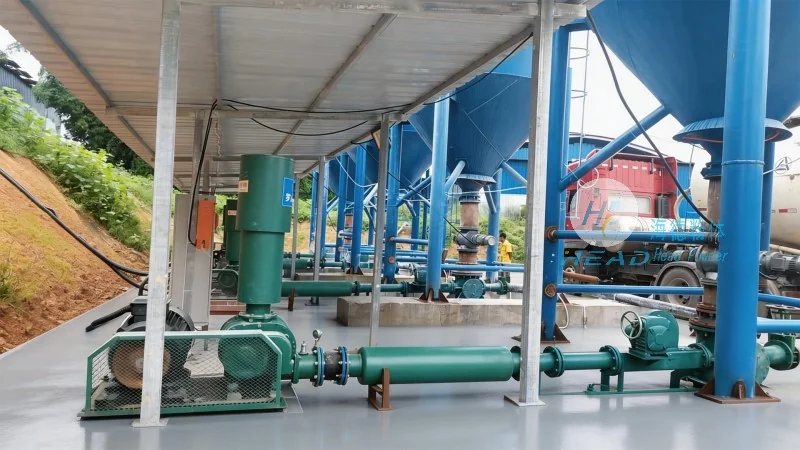
Key Components of the PAM Pneumatic Conveying System
The PAM material pneumatic conveying machine consists of several essential components that work in tandem to facilitate the material transport. The primary components include a hopper for material storage, a feeder to control the flow rate, a conveying line (usually a pipe) that transports the material, a pressure vessel or receiver to collect the material at the destination, and a blower or air compressor that generates the necessary airflow. Additionally, the system may include a filter to remove dust from the air, a silencer to reduce noise, and a control panel to monitor and regulate the operation. Each component plays a critical role in ensuring the smooth and efficient operation of the entire system.
Working Principle of the PAM Pneumatic Conveying Machine
The operation of a PAM material pneumatic conveying machine is based on the principle of pneumatic transport, where material is conveyed through a pipeline using air or gas. The process typically begins with the material being fed from the hopper into the conveying line. The feeder controls the flow rate, ensuring a consistent and controlled amount of PAM is introduced into the system. Simultaneously, the blower generates a high-pressure airflow that moves through the conveying line. As the air flows, it picks up the PAM particles from the hopper and carries them through the pipeline to the receiver. The receiver is usually a pressure vessel that collects the material and allows it to settle, separating the material from the air. The air then passes through a filter and silencer before being discharged or recirculated, depending on the system design. This continuous cycle ensures that PAM material is transported from the source to the destination efficiently and without the need for manual handling.
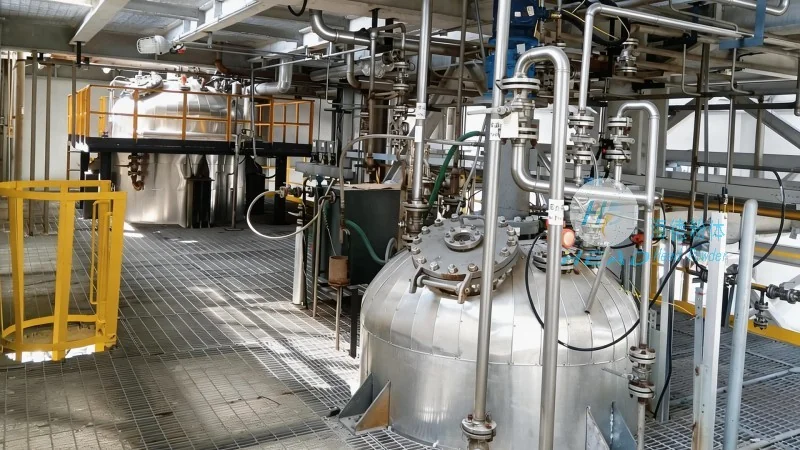
Operation Process of the PAM Pneumatic Conveying Machine
The operation process of a PAM material pneumatic conveying machine involves several sequential steps that must be followed to ensure optimal performance. First, the system is prepared by checking all components for proper functioning, including the blower, feeder, and conveying line. The hopper is then filled with PAM material, and the feeder is adjusted to the desired flow rate. Next, the blower is started, and the airflow is activated, initiating the conveying process. As the material is fed into the system, it is carried by the air and transported to the receiver. The receiver collects the material, and the air passes through the filter and silencer. The control panel monitors the pressure and flow rates, providing real-time feedback to adjust the operation if necessary. The process continues until the hopper is empty or the required amount of material has been transported. Finally, the system is shut down by stopping the blower and allowing the material to settle in the receiver before any maintenance or cleaning is performed.
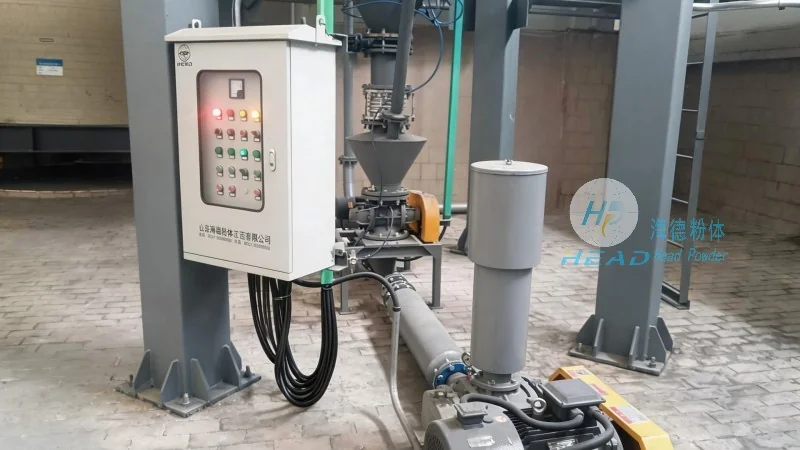
Benefits and Applications of PAM Pneumatic Conveying Machines
PAM material pneumatic conveying machines offer several advantages that make them a preferred choice for industrial applications. One of the key benefits is the ability to handle fine powders without causing dust or contamination, which is critical for maintaining product quality in industries such as water treatment and paper manufacturing. The system also provides a closed-loop operation, reducing the risk of environmental contamination and improving safety. Additionally, the low maintenance requirements and compact design make it suitable for various industrial settings. These machines are widely used in the chemical industry for transporting PAM, as well as in other sectors where fine powders need to be transported efficiently and safely. The efficiency and reliability of PAM pneumatic conveying machines contribute to increased productivity and reduced operational costs for businesses.
Conclusion and Company Information
In conclusion, the PAM material pneumatic conveying machine is a highly efficient and reliable solution for transporting PAM material in various industrial applications. Its operation process and working principle are based on pneumatic transport, utilizing key components such as a hopper, feeder, blower, and receiver to ensure smooth material movement. The benefits of this system, including low contamination, closed-loop operation, and low maintenance, make it an ideal choice for industries that require efficient and safe material handling. As a leading manufacturer in this field, Shandong HeadPowder Engineering Co., Ltd. specializes in providing high-quality PAM pneumatic conveying machines tailored to meet the specific needs of different industries. With a focus on innovation and customer satisfaction, HeadPowder continues to deliver reliable and efficient solutions for material transport, supporting the growth and success of its clients. Based in Shandong, China, HeadPowder Engineering Co., Ltd. is committed to excellence in engineering and manufacturing, ensuring that its products meet the highest standards of quality and performance.