

Operation Process and Working Principle of Pneumatic Conveying Machine for Activated Carbon Granular
Shandong HeadPowder Engineering Co., Ltd. specializes in the design, manufacturing, and supply of advanced pneumatic conveying equipment tailored for handling activated carbon granular materials. As a leading provider in the industry, HeadPowder offers solutions that ensure efficient, reliable, and safe material transport in various industrial applications. This article explores the operational process and underlying principles of their pneumatic conveying machines, highlighting key components and the technology that drives their performance.
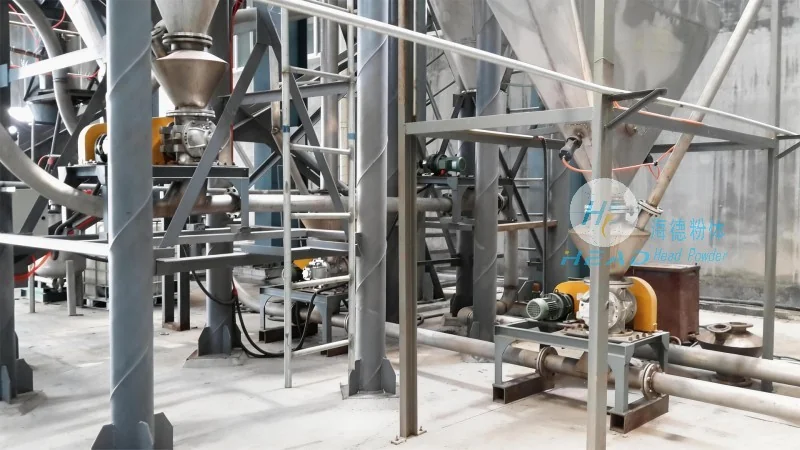
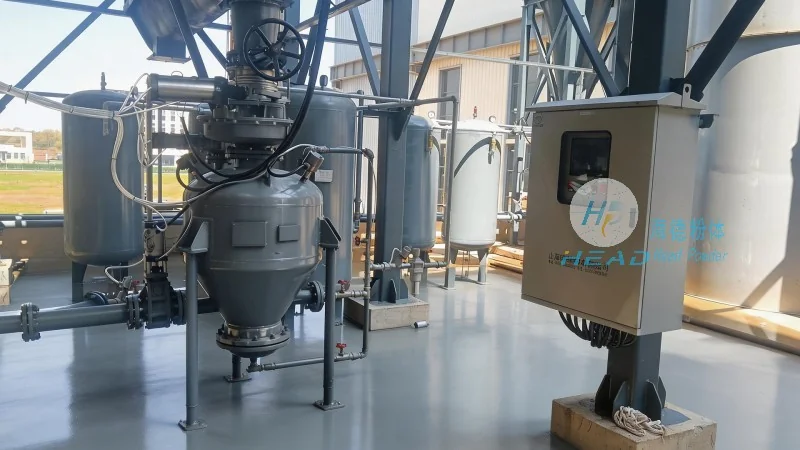
Overview of the Pneumatic Conveying Machine
The pneumatic conveying machine for activated carbon granular materials is a sophisticated system engineered to transport bulk materials through a pipeline using air or other gas as the conveying medium. HeadPowder's machines are designed with precision to handle the unique characteristics of activated carbon, such as its fine particle size, low density, and potential for dust generation. The core components of this system include a hopper for material storage, a rotary valve or feeder to control material discharge, a pipeline network, a blower or air compressor to generate the conveying air, and a receiver or discharge unit for material collection. Each component plays a critical role in ensuring the smooth and efficient operation of the entire system.
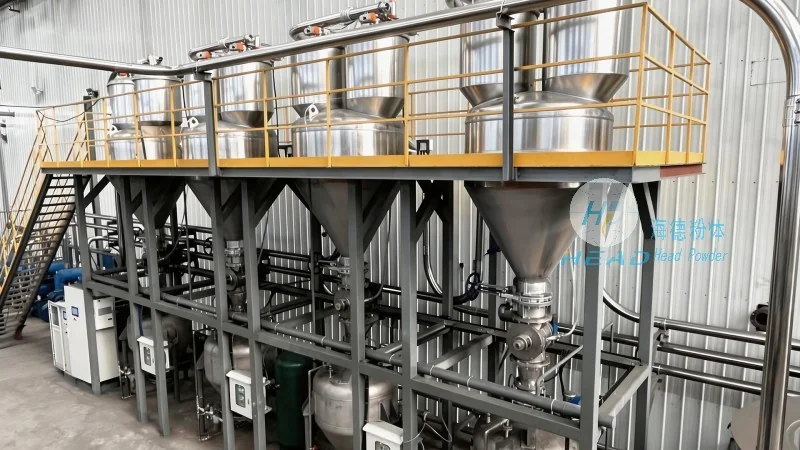
Key Components and Their Functions
1. Hopper: The hopper is the primary storage vessel where activated carbon granules are loaded. It is typically designed with a conical or hopper-shaped structure to facilitate uniform material flow and prevent clogging. The hopper is equipped with a lid or cover to minimize dust exposure and maintain material integrity. 2. Rotary Valve (or Feeder): This component is responsible for controlling the rate of material discharge from the hopper into the pipeline. The rotary valve operates by rotating a series of vanes or blades that open and close to allow controlled amounts of material to pass through. This ensures a consistent flow rate, which is crucial for maintaining the stability of the conveying process. 3. Pipeline Network: The pipeline is the main conduit through which the activated carbon granules are transported. It is constructed from materials resistant to corrosion and abrasion, such as stainless steel or high-density polyethylene, to withstand the wear and chemical exposure from the material. The pipeline is typically laid out in a straight or slightly inclined configuration to facilitate gravity-assisted flow when applicable. 4. Blower or Air Compressor: The blower or air compressor generates the necessary air pressure and flow rate to move the material through the pipeline. The selection of the blower depends on the material's properties, such as particle size, density, and moisture content, as well as the required conveying distance and capacity. High-efficiency blowers are used to minimize energy consumption while maintaining optimal conveying performance. 5. Receiver or Discharge Unit: The receiver is the final component where the activated carbon granules are deposited. It is designed with a hopper or bin to collect the material and prevent spillage. The receiver may also include a dust collection system or filter to capture any airborne particles and ensure environmental compliance.
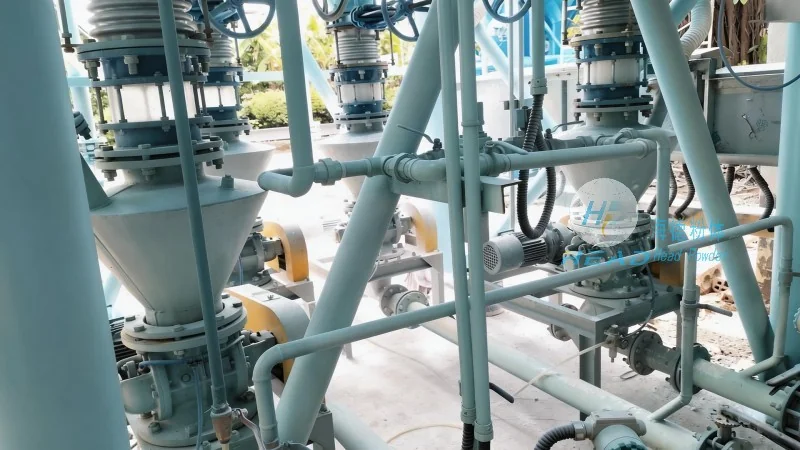
The Operational Process of the Pneumatic Conveying Machine
The operation of the pneumatic conveying machine for activated carbon granular materials follows a systematic sequence of steps, each designed to ensure efficient material transport from the source to the destination. The process begins with the loading of activated carbon into the hopper. Once the hopper is filled, the rotary valve is activated to control the flow of material into the pipeline. Simultaneously, the blower starts to generate the conveying air, creating a pressure differential between the hopper and the receiver. As the air flows through the pipeline, it entrains the activated carbon granules, forming a slurry or suspension that is propelled forward by the air current. The material travels through the pipeline network, overcoming any obstacles or bends in the system. Upon reaching the receiver, the air and material are separated, with the air being discharged through a filter or vent system and the activated carbon collected in the receiver. The entire process is typically automated, with sensors and controls monitoring the flow rate, pressure, and temperature to maintain optimal performance. This automated operation ensures consistent and reliable material transport, reducing the need for manual intervention and minimizing the risk of material loss or contamination.