

Operation Process and Working Principle of High-Temperature Fly Ash Material Pneumatic Conveying Equ
High-temperature fly ash material pneumatic conveying equipment is a specialized system engineered for the efficient and safe transportation of hot fly ash from power plant boilers to disposal or processing facilities. This equipment is essential in modern industrial applications, particularly in the power generation sector, where handling high-temperature particulate matter demands advanced engineering solutions to ensure operational efficiency and environmental compliance. The system operates by utilizing air pressure to move the fly ash through a network of pipes, ensuring minimal material loss and reduced exposure to personnel.
Key Components and Their Functions
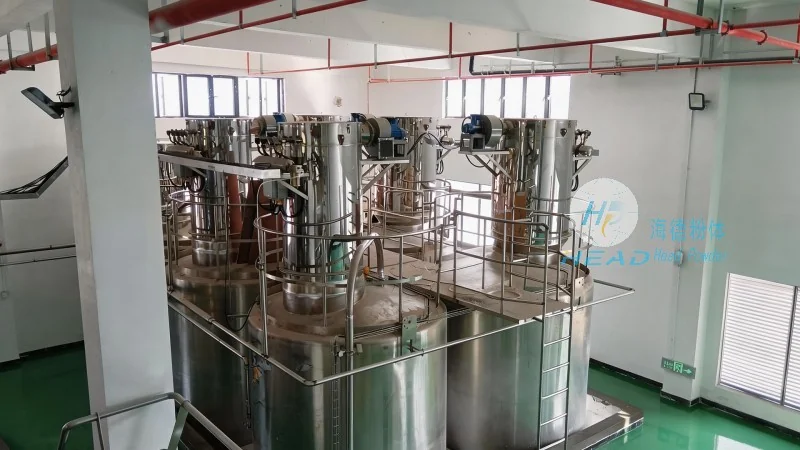
The high-temperature fly ash pneumatic conveying system consists of several critical components, each playing a vital role in the overall operation. The primary components include the ash collection hopper, which collects the fly ash from the boiler; the feeder, which controls the flow of ash into the conveying line; the air compressor or blower, which generates the necessary air pressure to move the material; the conveying pipeline, which transports the ash from the source to the destination; and the discharge device, which releases the ash at the receiving end. Each component is designed to withstand high temperatures and abrasive conditions, ensuring long-term reliability and minimal maintenance.
Operation Process of the Pneumatic Conveying System
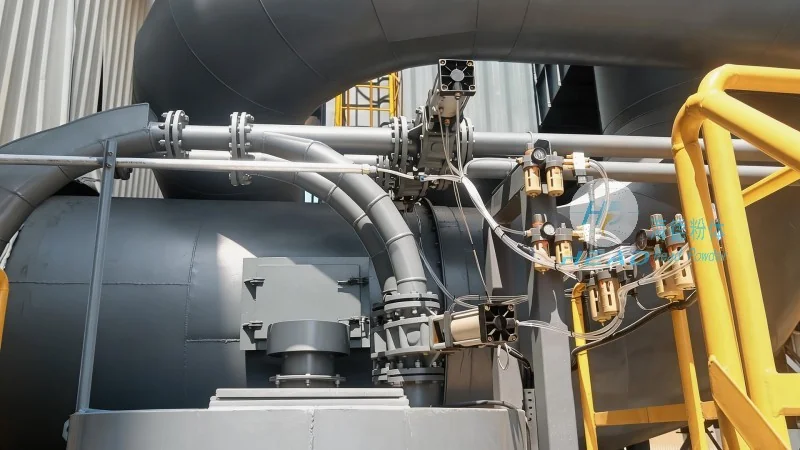
The operation of the high-temperature fly ash pneumatic conveying system follows a systematic process. Initially, the fly ash is collected in the hopper, where it accumulates from the boiler. The feeder then regulates the flow of ash into the conveying line, ensuring a consistent feed rate. The air compressor or blower generates high-pressure air, which is introduced into the pipeline. As the air flows through the pipe, it entrains the fly ash particles, creating a slurry-like mixture that moves through the system. The conveying pipeline is typically made of materials such as stainless steel or heat-resistant alloys to withstand the high temperatures and abrasive nature of the fly ash. The discharge device at the receiving end separates the air from the ash, allowing the ash to be deposited in the designated area. This process is continuous and automated, minimizing human intervention and enhancing operational efficiency.

Working Principle: Air-Driven Conveying Mechanism
The core working principle of the high-temperature fly ash pneumatic conveying system is based on the air-driven conveying mechanism. This principle involves the use of compressed air to create a flow of air and ash particles through the pipeline. The air pressure is sufficient to overcome the gravitational force and frictional resistance of the ash particles, enabling them to be transported over long distances. The system can operate in both positive and negative pressure modes, depending on the application requirements. In positive pressure mode, the pipeline is pressurized with air, pushing the ash forward. In negative pressure mode, the pipeline is slightly vacuumed, pulling the ash into the system. The choice of mode depends on factors such as the distance to be covered, the volume of ash to be transported, and the environmental considerations at the receiving end.
Advantages of High-Temperature Fly Ash Pneumatic Conveying Equipment
High-temperature fly ash pneumatic conveying equipment offers several advantages over traditional methods such as belt conveyors or truck transport. Firstly, it provides a dust-free and enclosed system, reducing the risk of airborne particulate emissions and improving workplace safety. Secondly, it allows for the transportation of ash over long distances without the need for intermediate storage or handling, enhancing operational flexibility. Thirdly, the system is highly efficient, with minimal material loss and reduced energy consumption compared to other methods. Additionally, the equipment is compact and can be integrated into existing plant infrastructure, making it a cost-effective solution for power plants and industrial facilities.
Applications and Industry Relevance
High-temperature fly ash pneumatic conveying systems are widely used in the power generation industry, particularly in coal-fired power plants. These systems are essential for transporting fly ash from the boiler to disposal sites or to be used as a raw material in cement production. The systems are also used in other industrial applications where high-temperature particulate matter needs to be handled, such as in the chemical and petrochemical industries. The equipment is designed to meet the specific requirements of each application, ensuring optimal performance and compliance with environmental regulations.
Conclusion
High-temperature fly ash material pneumatic conveying equipment is a critical component in modern industrial operations, providing an efficient and safe method for transporting hot fly ash. The system's operation is based on a well-engineered air-driven mechanism, utilizing advanced components to ensure reliability and performance. With its advantages in dust control, efficiency, and flexibility, this equipment is an essential solution for power plants and industrial facilities seeking to handle high-temperature particulate matter effectively. As a leading provider in this field, Shandong HeadPowder Engineering Co., Ltd. specializes in designing and manufacturing high-quality pneumatic conveying systems tailored to meet the specific needs of its clients, ensuring optimal performance and compliance with industry standards.