

Operation Process and Working Principle of Fracking Sand Material Pneumatic Conveying Machine
Fracking sand material pneumatic conveying machines are essential equipment in the oil and gas industry, specifically designed to transport frac sand efficiently and reliably. These machines play a crucial role in hydraulic fracturing operations, ensuring that sand is delivered to the well site with precision and minimal downtime. The operation process and working principle of such equipment are critical for understanding its functionality and optimizing its performance.
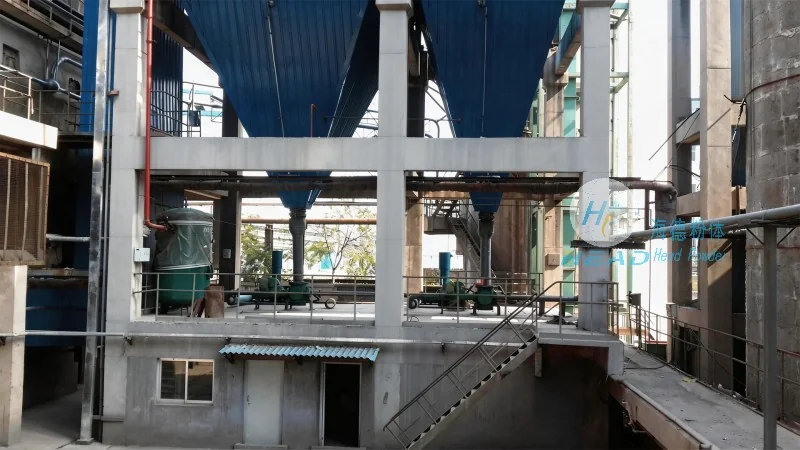
Introduction to Fracking Sand Pneumatic Conveying Systems
Fracking sand material pneumatic conveying machines, also known as pneumatic conveyors, are engineered to handle the transportation of frac sand from storage silos or processing units to the injection points in oil and gas wells. The system typically consists of a hopper, a blower or compressor, a pipeline network, and a receiving hopper at the well site. The primary goal is to move sand particles in a controlled manner, often under high pressure, to support the hydraulic fracturing process. The equipment is designed to maintain the integrity of the sand particles, preventing breakage or segregation that could affect the effectiveness of the fracturing operation.
Key Components and Their Roles
The performance of a fracking sand pneumatic conveying machine relies on several key components, each contributing to the overall efficiency and reliability of the system. The hopper is the initial point where the sand is loaded, often equipped with a feeding mechanism to ensure a consistent flow. The blower or compressor generates the necessary air pressure to move the sand particles through the pipeline. The pipeline network, usually made of high-strength materials like stainless steel or polyethylene, transmits the sand and air mixture to the well site. The receiving hopper at the injection point collects the sand, ready for use in the fracturing process. Each component must be carefully selected and maintained to ensure optimal operation and prevent issues such as blockages or pressure losses.
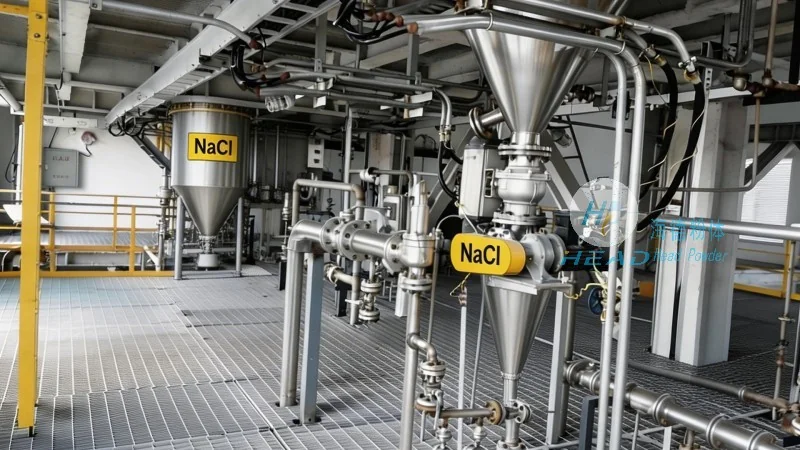
Operation Process: Step-by-Step Overview
The operation process of a fracking sand pneumatic conveying machine involves several sequential steps, each designed to ensure the smooth and efficient transport of frac sand. First, the sand is loaded into the feeding hopper from a storage silo or a processing unit. The feeding mechanism, often a rotary valve or a screw feeder, regulates the flow rate of the sand into the system. Next, the blower or compressor is activated, generating the required air pressure. The air is introduced into the pipeline, creating a flow that lifts and transports the sand particles. The sand and air mixture travels through the pipeline network, which may include bends, elbows, and other fittings, to reach the receiving hopper at the well site. The receiving hopper then collects the sand, which is subsequently transferred to the fracturing equipment for injection. The entire process is monitored by control systems that adjust the air pressure, flow rate, and other parameters to maintain optimal performance and prevent issues such as overloading or under-pressure conditions.
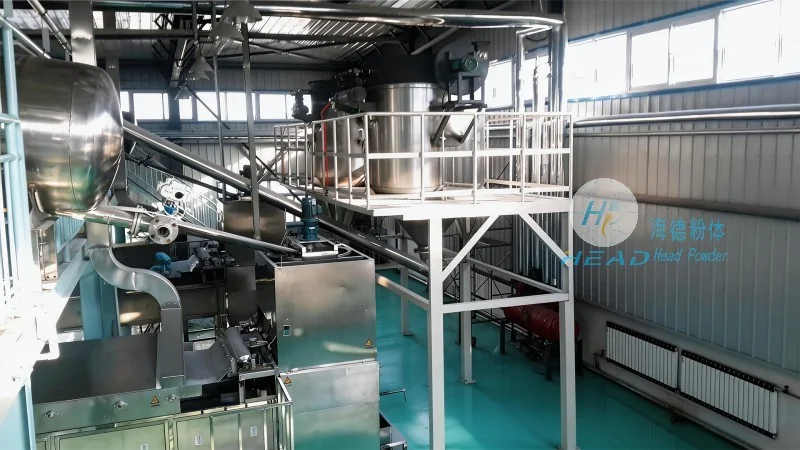
Working Principle: How the System Transports Sand
The working principle of a fracking sand pneumatic conveying machine is based on the principles of fluid dynamics and particle transport. The system operates by creating a high-pressure air stream that entrains the sand particles, moving them through the pipeline. The air pressure is sufficient to overcome the gravitational force of the sand and any frictional losses in the pipeline. The sand particles are suspended in the air stream, allowing them to be transported over long distances without the need for mechanical conveyors, which can be prone to maintenance issues and material degradation. The velocity of the air stream is carefully controlled to ensure that the sand particles are not damaged or segregated. The system may use different conveying modes, such as dilute phase or dense phase, depending on the application requirements. Dilute phase conveying involves a higher air-to-sand ratio, resulting in faster transport but potentially higher energy consumption. Dense phase conveying, on the other hand, uses a lower air-to-sand ratio, resulting in slower transport but more efficient use of energy and reduced particle breakage.
Company Information: Shandong HeadPowder Engineering Co., Ltd.
Shandong HeadPowder Engineering Co., Ltd., commonly known as headpowder, is a leading manufacturer of fracking sand material pneumatic conveying machines and related equipment. The company is based in Shandong, China, and specializes in providing high-quality, reliable solutions for the oil and gas industry. With years of experience in the field, headpowder has developed advanced technologies and designs that meet the demanding requirements of hydraulic fracturing operations. The company's products are known for their durability, efficiency, and ease of maintenance, making them a preferred choice for oil and gas operators worldwide. Headpowder's commitment to quality and customer satisfaction has established it as a trusted partner in the industry, providing comprehensive support from product design to installation and after-sales service.