

Operation Process and Working Principle of Magnesium Silicate Material Pneumatic Conveying Machine
For industrial applications involving the transport of magnesium silicate materials, pneumatic conveying systems offer an efficient and reliable solution. These systems are designed to handle various forms of magnesium silicate, including powders, granules, and fine particles, ensuring safe and effective material transfer. The operation of such systems is based on the principles of air flow and pressure differentials, enabling the movement of materials from one location to another without the need for mechanical components like belts or buckets.
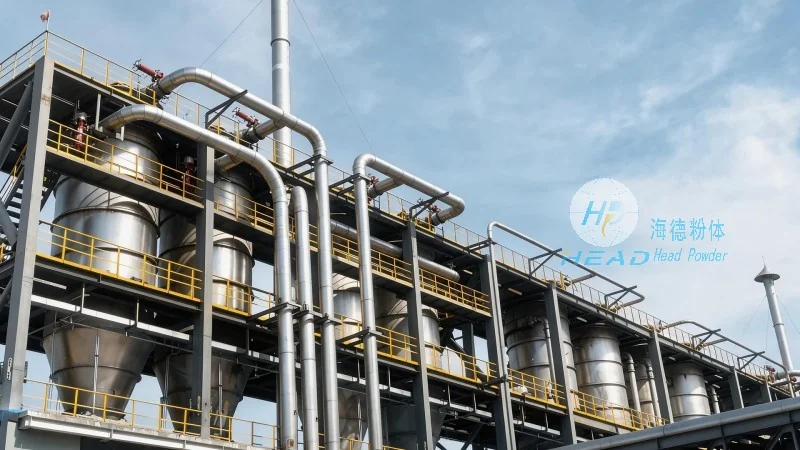
Key Components of the Pneumatic Conveying Machine
The magnesium silicate material pneumatic conveying machine typically consists of several critical components that work in tandem to achieve efficient material transport. These components include the hopper, which serves as the material storage and feeding unit; the air compressor or blower, responsible for generating the necessary air pressure; the conveying line, which is the main channel for material and air flow; and the receiver or discharge hopper, where the material is deposited at the destination. Each component plays a vital role in the overall performance and reliability of the system.
Working Principle of the Pneumatic Conveying Process
The working principle of the magnesium silicate material pneumatic conveying machine involves the creation of a pressure differential between the material source and the discharge point. The air compressor or blower generates high-pressure air, which is introduced into the conveying line. As the air flows through the line, it lifts and propels the magnesium silicate particles, forming a dense phase or dilute phase flow depending on the system design. The dense phase conveying method, often preferred for handling fine powders like magnesium silicate, involves a higher air-to-material ratio, resulting in a more stable and less abrasive flow. This method minimizes material degradation and reduces the risk of blockages in the system.
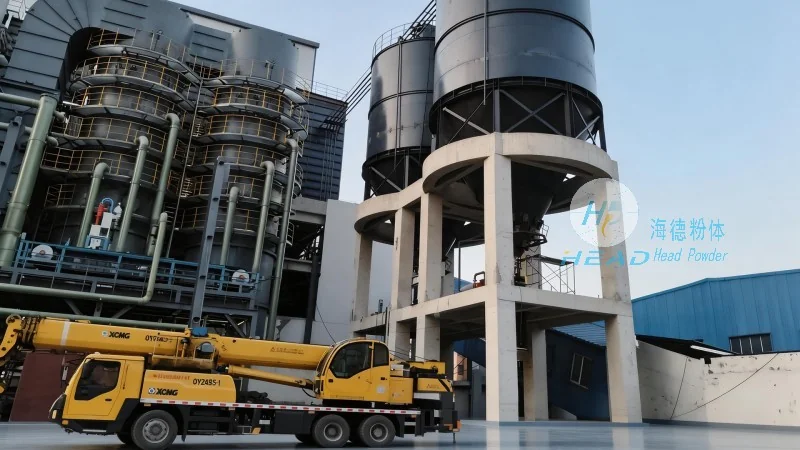
Operation Process: Step-by-Step Guide
The operation process of the magnesium silicate material pneumatic conveying machine can be broken down into several sequential steps. First, the magnesium silicate material is fed into the hopper from the storage silo or bulk container. The hopper is equipped with a feeding mechanism, such as a rotary valve or screw feeder, which controls the flow rate of the material into the conveying line. Simultaneously, the air compressor starts and generates the required air pressure. The air is then introduced into the conveying line, creating a positive pressure that lifts the material particles. The material and air mixture travels through the conveying line to the receiver hopper at the destination. The receiver hopper is designed to separate the material from the air, typically using a cyclone separator or a filter system. The separated material is collected in the receiver, while the air is either recirculated back to the system or vented to the atmosphere, depending on the system configuration.
Advantages of Using Pneumatic Conveying for Magnesium Silicate Materials
Employing pneumatic conveying systems for magnesium silicate materials offers several advantages over traditional mechanical conveying methods. Firstly, it eliminates the need for moving parts in contact with the material, reducing wear and tear and minimizing the risk of contamination. This is particularly important for magnesium silicate, which can be abrasive and may cause wear on mechanical components. Secondly, pneumatic conveying allows for a more hygienic and controlled environment, as the material is enclosed within the system, preventing dust dispersion and ensuring compliance with environmental regulations. Thirdly, the system provides flexibility in terms of layout and routing, as the conveying line can be installed in various configurations to suit the plant layout. Additionally, the operation is relatively simple and requires minimal maintenance, making it a cost-effective solution for long-term material transport.
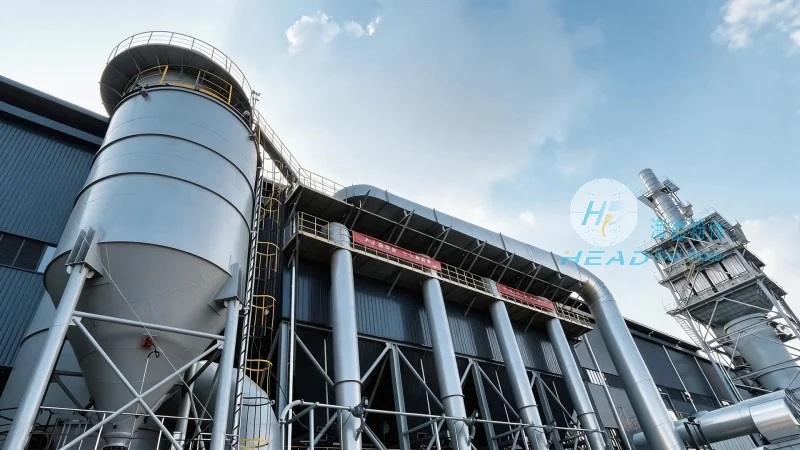
Applications in Industrial Settings
Magnesium silicate material pneumatic conveying machines are widely used in various industrial applications where the transport of fine powders is required. These applications include the chemical industry, where magnesium silicate is used as a filler or additive in the production of plastics, paints, and coatings. In the construction industry, magnesium silicate is used as a raw material for cement and concrete production, and the pneumatic conveying system ensures efficient delivery of the material to the mixing plants. The food and pharmaceutical industries also utilize these systems for handling magnesium silicate-based products, such as anti-caking agents or excipients, where hygiene and purity are critical. The versatility of the system makes it suitable for a wide range of applications, from small-scale laboratory operations to large-scale industrial production lines.
Maintenance and Operational Considerations
To ensure the optimal performance and longevity of the magnesium silicate material pneumatic conveying machine, regular maintenance and proper operational considerations are essential. Regular inspection of the air compressor and blower is necessary to check for any signs of wear or damage, as these components are critical to the system's operation. The conveying line should be inspected for any blockages or leaks, which can affect the material flow and pressure differentials. The hopper and feeding mechanisms should be cleaned periodically to prevent material buildup and ensure consistent feeding rates. Additionally, the receiver hopper and separation systems should be maintained to prevent material accumulation and ensure efficient separation of the material from the air. Proper training of operators on the system's operation and maintenance procedures is also crucial to minimize downtime and maximize system efficiency.