

Operation Process and Working Principle of Sodium Chlorate Material Pneumatic Conveying Machine
For industries dealing with sodium chlorate, efficient and safe material handling is crucial. The pneumatic conveying machine designed for sodium chlorate material offers a reliable solution, integrating advanced technology to ensure smooth operation and optimal performance. This article delves into the operation process and working principle of such equipment, highlighting its importance in modern industrial applications.
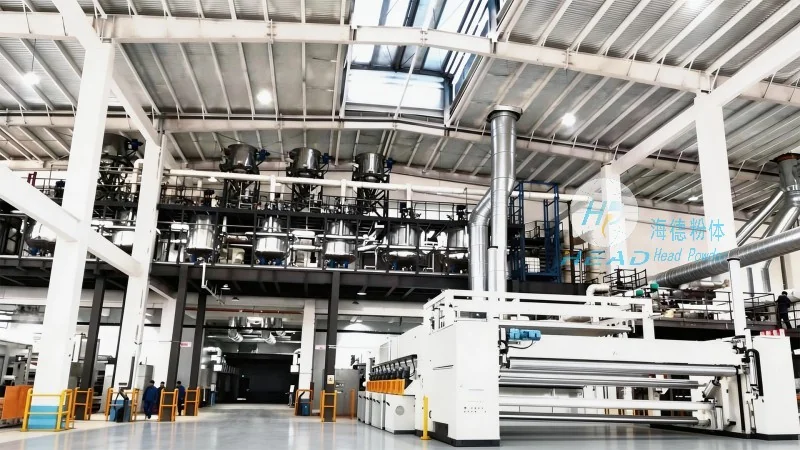
Company Profile: Shandong HeadPowder Engineering Co., Ltd.
HeadPowder, a leading manufacturer in the field of powder processing equipment, specializes in developing and producing high-quality pneumatic conveying systems. With a strong commitment to innovation and customer satisfaction, the company has established itself as a trusted partner for businesses requiring efficient material handling solutions. HeadPowder's headquarters is located in Shandong, China, where state-of-the-art facilities and a skilled workforce ensure the production of durable and reliable equipment.
The Operation Process of Sodium Chlorate Pneumatic Conveying Machine
The operation process of a sodium chlorate material pneumatic conveying machine involves several key steps. Initially, the sodium chlorate material is loaded into the hopper or feeding hopper. The material is then fed into the conveying line through a rotary valve or feeder, which controls the flow rate. Compressed air, typically supplied by a blower or compressor, is introduced into the conveying line, creating a flow that propels the material forward. The conveying line may include bends, elbows, or other components to direct the material to the destination, such as a storage silo or processing unit. At the receiving end, a rotary valve or discharge valve controls the material's release, ensuring a controlled and safe discharge process. The entire operation is monitored by a control system that adjusts air pressure, flow rate, and other parameters to maintain optimal performance and prevent blockages or other issues.
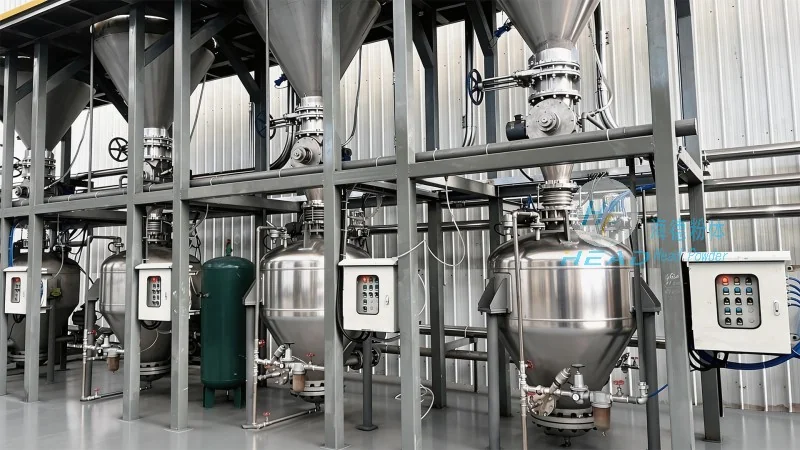
Working Principle of the Pneumatic Conveying System
The working principle of a sodium chlorate pneumatic conveying machine is based on the use of compressed air to transport dry materials in a closed system. The system consists of a series of components, including a hopper, feeder, conveying line, and receiver. The compressed air is introduced into the conveying line, creating a pressure differential that moves the material. The material is carried by the air stream, which can be either dense phase or dilute phase, depending on the system design. In dense phase conveying, the material is conveyed in a high-pressure air stream, reducing the risk of material degradation and ensuring a more stable flow. Dilute phase conveying, on the other hand, uses lower air pressure and higher air velocity, suitable for longer distances or lighter materials. The choice of conveying mode depends on the specific requirements of the application, such as material characteristics, distance, and desired flow rate. The system also includes filters and cyclones to separate the material from the air, ensuring that the material is delivered to the receiver without contamination. The control system plays a critical role in regulating the air flow and pressure, maintaining the system's efficiency and safety.
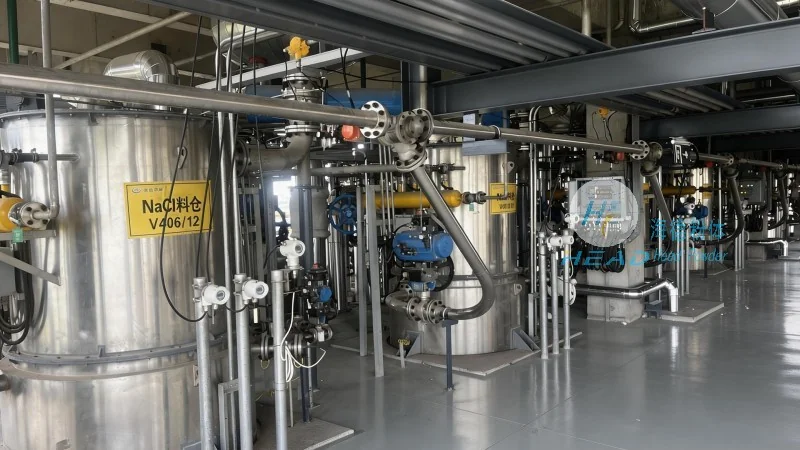
Key Features and Technical Advantages
HeadPowder's sodium chlorate pneumatic conveying machine is equipped with several features that enhance its performance and reliability. The machine is designed with corrosion-resistant materials, such as stainless steel, to withstand the chemical properties of sodium chlorate and prevent material degradation. The conveying line is equipped with flexible hoses or rigid pipes, depending on the application, to accommodate different distances and layouts. The system includes pressure relief valves and safety devices to prevent over-pressurization and ensure operator safety. Additionally, the machine is equipped with a dust collection system to minimize air pollution and comply with environmental regulations. The control system is user-friendly, allowing operators to adjust parameters easily and monitor the system's performance in real-time. These features make the machine suitable for various industrial applications, including chemical processing, pharmaceuticals, and food processing.
Application Scenarios
The sodium chlorate material pneumatic conveying machine is widely used in industries that require the safe and efficient handling of sodium chlorate. In chemical plants, the machine is used to transport sodium chlorate from storage silos to processing units, ensuring a continuous and controlled supply of material. In pharmaceutical and food processing industries, the machine is used to handle sodium chlorate in a clean and hygienic environment, minimizing the risk of contamination. The machine is also used in research and development facilities, where precise control over material flow is essential for experimental purposes. Overall, the machine offers a reliable solution for industries seeking to improve their material handling processes and enhance operational efficiency.