

Operation Process and Working Principle of Silica Fume Material Pneumatic Conveying Machine
HeadPowder, a leading manufacturer based in Shandong, China, specializes in the design and production of advanced pneumatic conveying systems tailored for handling silica fume materials. This article provides a detailed overview of the operation process and working principles of their pneumatic conveying machines, highlighting the key components, operational steps, and technical aspects that ensure efficient material transport.
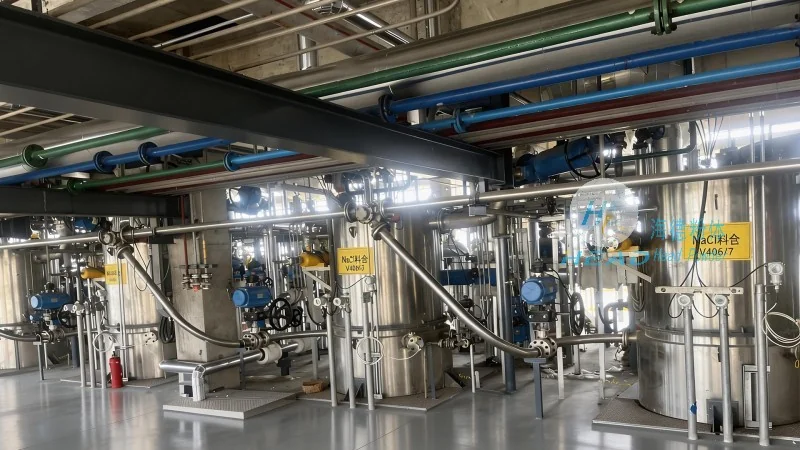
Working Principle of Pneumatic Conveying Systems
The core working principle of a pneumatic conveying machine for silica fume involves the use of compressed air to create a flow that transports the material through a pipeline. The system typically consists of a hopper for material storage, a rotary valve for controlled discharge, a compressor to generate the necessary air pressure, and a pipeline network that guides the material from the source to the destination. As the compressed air is introduced into the hopper, it lifts the silica fume particles and propels them through the pipeline, utilizing the kinetic energy of the air to overcome gravitational forces and maintain a consistent flow rate.
Key Components and Their Functions
Several critical components work in tandem to ensure the smooth operation of the pneumatic conveying machine. The material hopper serves as the primary storage vessel, holding the silica fume and providing a controlled environment for material discharge. The rotary valve, often a star valve or slide valve, regulates the flow of material from the hopper into the pipeline, preventing backflow and maintaining a steady feed rate. The air compressor is the power source, generating the high-pressure air required to move the material through the system. It is typically equipped with a filter and regulator to ensure clean, consistent air pressure. The pipeline network, made of durable materials such as stainless steel or PVC, transports the material from the hopper to the discharge point. Additionally, a dust collector or filter may be integrated to capture any fine particles and maintain air quality.
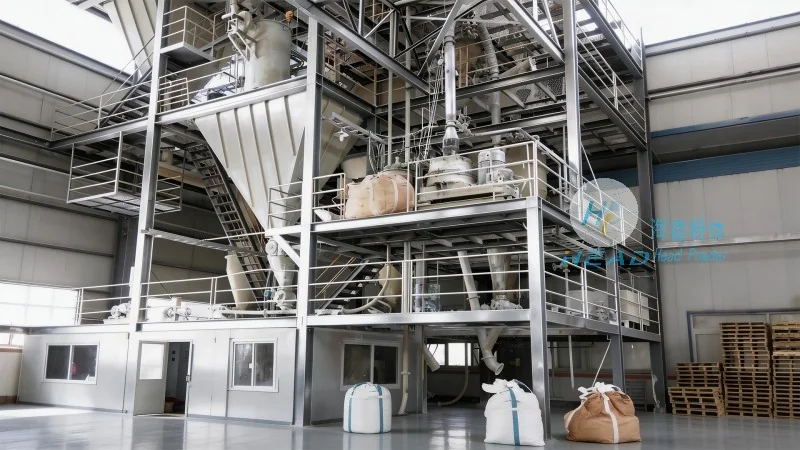
Operation Process Step-by-Step
The operation process of the silica fume pneumatic conveying machine can be broken down into several key steps. First, the silica fume is loaded into the material hopper. The rotary valve then opens to allow a controlled amount of material to enter the pipeline. Simultaneously, the air compressor starts and supplies compressed air into the hopper, creating a pressure differential that lifts the material. The compressed air, now mixed with the silica fume particles, travels through the pipeline to the discharge point. At the destination, the material is released into a receiving container, while the air is either vented or recirculated through a filter to remove any residual dust. This process is typically automated, with sensors monitoring the material level and air pressure to adjust the feed rate and ensure optimal performance.
Efficiency and Advantages of Pneumatic Conveying for Silica Fume
Compared to traditional methods such as belt conveyors or bucket elevators, pneumatic conveying offers several advantages for transporting silica fume. It is a closed system, which minimizes dust exposure and environmental contamination, making it safer and more environmentally friendly. The system is also highly flexible, allowing for vertical, horizontal, or inclined transport without the need for complex machinery. Additionally, pneumatic conveying can handle fine or abrasive materials like silica fume without causing wear and tear on the equipment. The compact design of the system reduces space requirements, making it suitable for both industrial and small-scale applications. Furthermore, the automated operation reduces labor costs and improves consistency in material transport, leading to higher overall efficiency.
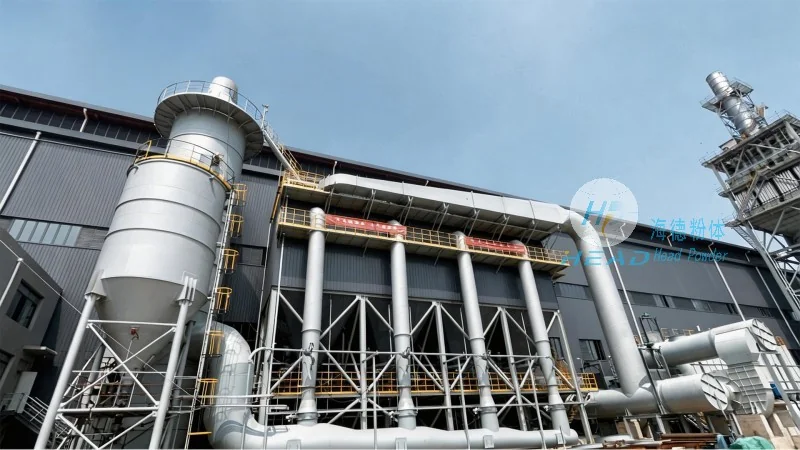
Maintenance and Best Practices
To ensure the long-term reliability and efficiency of the pneumatic conveying machine, regular maintenance is essential. This includes checking the air compressor for proper pressure and filter cleanliness, inspecting the rotary valve for wear and proper sealing, and cleaning the pipeline and hopper to prevent material buildup. It is also important to monitor the material flow rate and air pressure to detect any issues early. Using high-quality components and following the manufacturer's guidelines for operation and maintenance can significantly extend the lifespan of the equipment and minimize downtime.
HeadPowder Engineering Co., Ltd. continues to innovate in the design of pneumatic conveying systems, providing reliable and efficient solutions for silica fume transport. By understanding the operation process and working principles of these machines, users can optimize their material handling processes and achieve better results in their industrial applications. With their expertise and commitment to quality, HeadPowder remains a trusted partner in the field of material handling technology.