

Operation Process and Working Principle of Polypropylene Material Pneumatic Conveying Equipment
HeadPowder, a leading manufacturer based in Shandong, China, specializes in the design and production of advanced pneumatic conveying systems for polypropylene materials. This article provides a detailed overview of the operation process and working principle of such equipment, highlighting the technical aspects and practical applications that make it an essential solution in various industrial sectors.
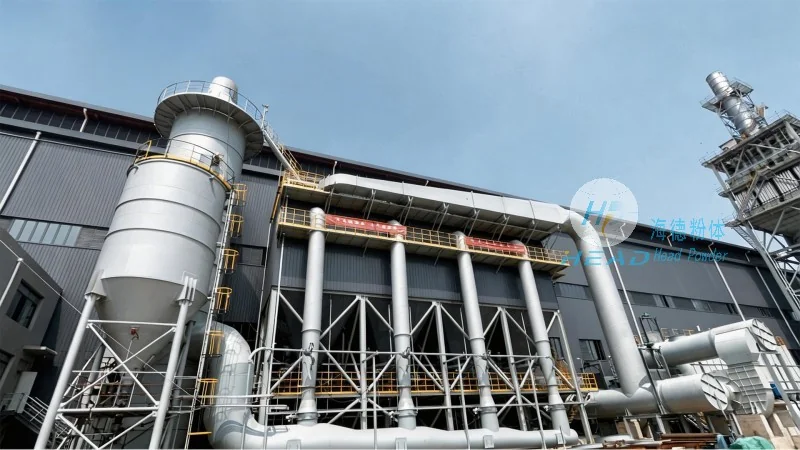
Introduction to Polypropylene Pneumatic Conveying Systems
Polypropylene (PP) is a widely used thermoplastic polymer known for its durability, chemical resistance, and versatility in manufacturing. Pneumatic conveying systems are critical for efficiently transporting polypropylene pellets or powders from one location to another within industrial facilities. These systems utilize air or other gases to move the material through a network of pipes, offering advantages such as dust-free operation, reduced product contamination, and the ability to handle materials in a closed environment.
Key Components of the Pneumatic Conveying Equipment
The polypropylene pneumatic conveying system typically consists of several key components that work in concert to ensure smooth and reliable material transport. These components include the hopper or feeder, the air compressor or blower, the conveying pipes, the control valves, and the discharge unit. Each component plays a vital role in the overall functionality of the system.
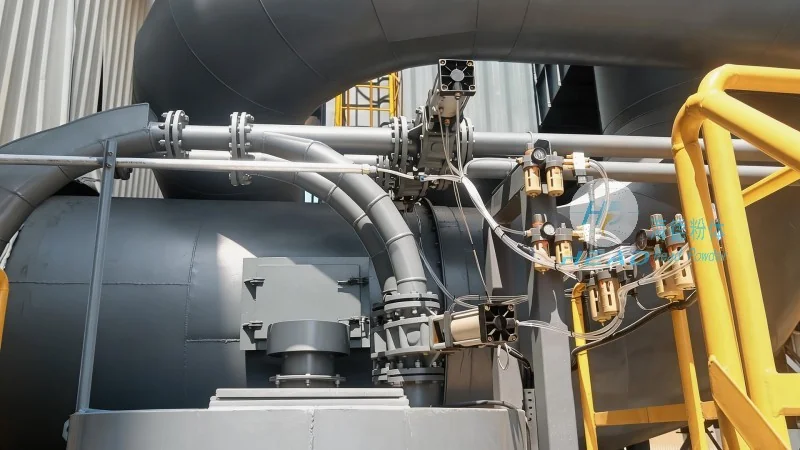
Operation Process of the Pneumatic Conveying Equipment
The operation process of the polypropylene pneumatic conveying equipment begins with the loading of polypropylene material into the hopper or feeder. The feeder then regulates the flow of material into the conveying line, ensuring a consistent feed rate. Simultaneously, the air compressor or blower generates the necessary airflow to create a pressure differential within the system. As the material is introduced into the conveying pipe, it is carried by the moving air stream, traveling through the pipes to the discharge point. The control valves are used to regulate the airflow and material flow, allowing for precise control over the conveying process. Finally, the material is discharged from the system at the desired location, completing the cycle.
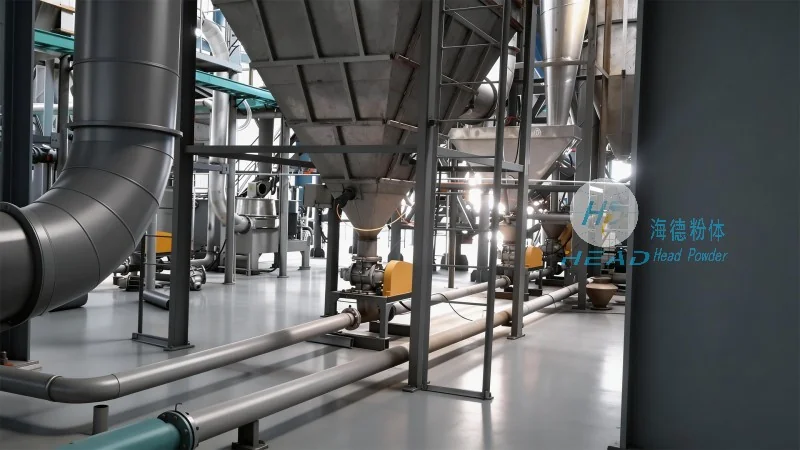
Working Principle of the Pneumatic Conveying Equipment
The working principle of the polypropylene pneumatic conveying equipment is based on the principles of fluid dynamics and particle transport. The system operates by creating a pressure difference between the inlet and outlet of the conveying line. The air compressor or blower supplies compressed air, which flows through the pipes at a high velocity. The polypropylene particles are entrained in the air stream, and the combination of the air's kinetic energy and the pressure differential propels the material forward. The design of the conveying pipes, including their diameter, length, and bends, is crucial for maintaining the flow rate and preventing material degradation or blockages. The control system monitors and adjusts the airflow and material feed to optimize performance and ensure efficient operation.
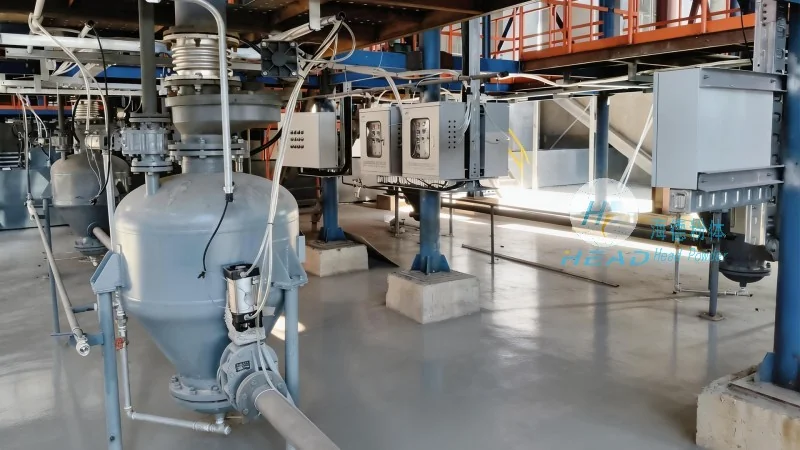
Technical Advantages and Applications
Pneumatic conveying systems for polypropylene offer several technical advantages that make them ideal for industrial applications. These include the ability to handle abrasive or corrosive materials without causing wear or damage to the equipment, the reduction of dust and contamination, and the flexibility to transport materials over long distances or through complex layouts. The systems are commonly used in the plastics industry for transporting polypropylene pellets from storage silos to processing machines, in chemical plants for moving powders, and in food processing facilities for handling food-grade polypropylene products.
Conclusion
HeadPowder's polypropylene pneumatic conveying equipment exemplifies advanced engineering and reliable performance, designed to meet the demanding requirements of modern industrial operations. By understanding the operation process and working principle of these systems, users can optimize their material handling processes, enhance efficiency, and ensure consistent product quality. With its headquarters in Shandong, China, HeadPowder continues to innovate and provide high-quality solutions for the global market.