

Operation Process and Working Principle of Magnesium Sulfate Material Pneumatic Conveying Equipment
For industries dealing with magnesium sulfate, efficient material handling is crucial. The pneumatic conveying equipment from Shandong HeadPowder Engineering Co., Ltd. offers a reliable solution for transporting this material. This article explores the operational process and working principles of such systems, highlighting their effectiveness in industrial applications.
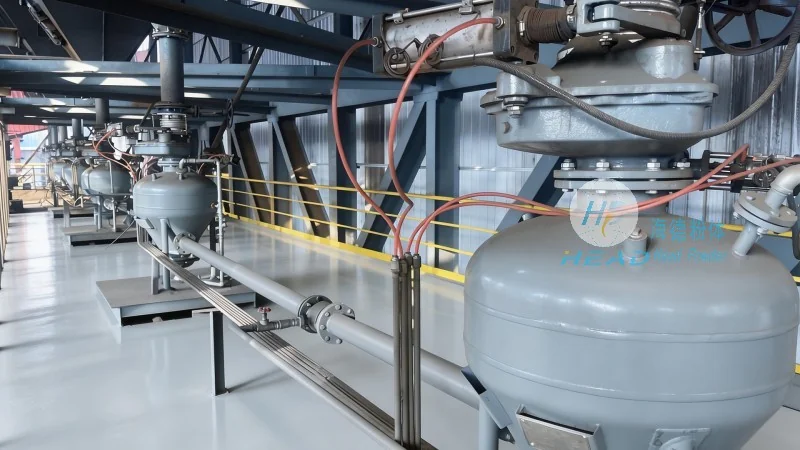
Key Components of the Pneumatic Conveying System
The system typically consists of several core components that work in tandem to ensure smooth material transport. These include a material hopper, a rotary valve, a conveying pipeline, a dust collector, and a receiver. Each component plays a vital role in the overall operation. The material hopper stores the magnesium sulfate, while the rotary valve controls the flow of material into the pipeline. The conveying pipeline, often made of stainless steel or other corrosion-resistant materials, transports the material under pressure. The dust collector removes any airborne particles, ensuring a clean and safe working environment. The receiver collects the material at the destination point.
Operation Process of the Pneumatic Conveying Equipment
The operation process begins with the loading of magnesium sulfate into the material hopper. The rotary valve then regulates the flow of material, allowing it to enter the conveying pipeline. Compressed air is introduced into the pipeline, creating a pressure differential that propels the material forward. As the material travels through the pipeline, it is mixed with the air, forming a slurry-like flow. The speed and pressure of the air are carefully controlled to maintain the optimal conveying velocity. The material is then discharged from the pipeline into the receiver at the end of the system. This process is continuous, allowing for a steady and efficient flow of magnesium sulfate.
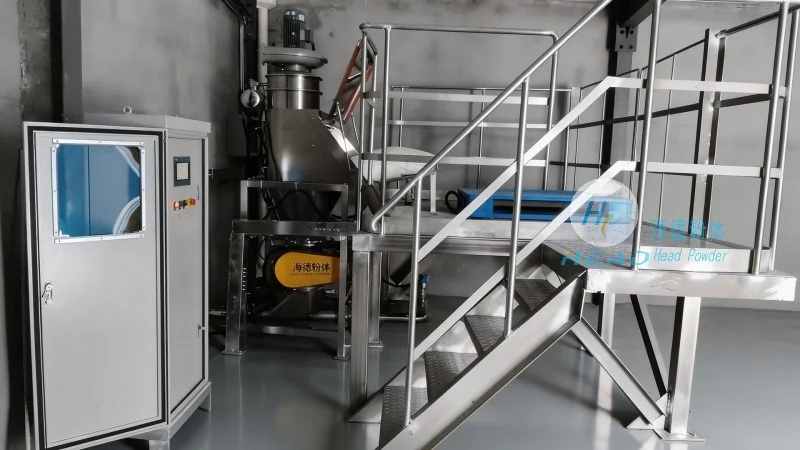
Working Principle of the Pneumatic Conveying System
The working principle is based on the use of compressed air to move the material through the pipeline. The system operates under positive pressure, where the air pressure is higher than the ambient pressure. This pressure difference creates a force that pushes the material along the pipeline. The material is carried by the air stream, and the velocity of the air is sufficient to overcome the gravitational force and frictional resistance of the material. The design of the pipeline, including its diameter and length, is optimized to minimize pressure drop and energy consumption. The rotary valve and other components are designed to handle the specific characteristics of magnesium sulfate, such as its density and flowability.
Advantages of Using Pneumatic Conveying for Magnesium Sulfate
There are several advantages to using pneumatic conveying equipment for magnesium sulfate. Firstly, it is a closed system, which prevents dust and contamination from entering the environment. This is particularly important for magnesium sulfate, which can be a source of air pollution if not handled properly. Secondly, the system is highly efficient, with minimal material loss and low energy consumption. The continuous operation allows for a steady supply of material to the processing plant. Thirdly, the equipment is easy to install and maintain, with minimal downtime. The components are designed for durability and reliability, ensuring long-term operation.
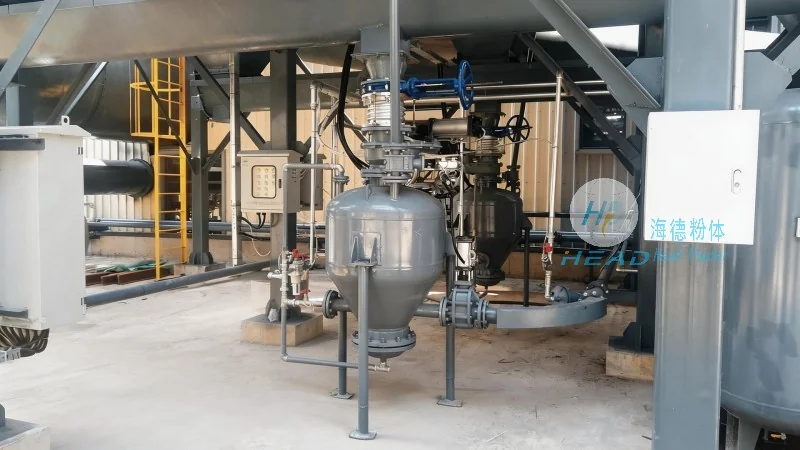
Application Scenarios and Industrial Use Cases
The pneumatic conveying equipment from Shandong HeadPowder Engineering Co., Ltd. is widely used in various industries that handle magnesium sulfate. These include chemical manufacturing, food processing, and pharmaceutical production. In chemical manufacturing, the equipment is used to transport magnesium sulfate from storage to reaction vessels. In food processing, it is used to move the material to production lines for further processing. In pharmaceutical production, the equipment is used to transport the material to packaging lines. The system is also used in research and development facilities for testing and experimentation.
Conclusion and Company Information
Overall, the pneumatic conveying equipment from Shandong HeadPowder Engineering Co., Ltd. is an effective solution for transporting magnesium sulfate. The system is reliable, efficient, and environmentally friendly. The company, based in Shandong, China, specializes in providing high-quality material handling solutions for various industries. With its expertise in pneumatic conveying technology, Shandong HeadPowder Engineering Co., Ltd. is a trusted partner for businesses looking to improve their material handling processes.