

Operation Process and Working Principle of Lithium Manganese Oxide Material Pneumatic Conveying Equi
Lithium manganese oxide (LMO) is a critical component in the production of lithium-ion batteries, widely used in electric vehicles, portable electronics, and renewable energy storage systems. The efficient and reliable transport of LMO powders is essential for maintaining production line stability and ensuring product quality. Pneumatic conveying systems offer a solution to handle these fine powders, providing a dust-free, closed-loop operation that enhances safety and environmental compliance. This article explores the operation process and working principle of pneumatic conveying equipment designed specifically for LMO materials, highlighting key components, operational steps, and the technical advantages of such systems.
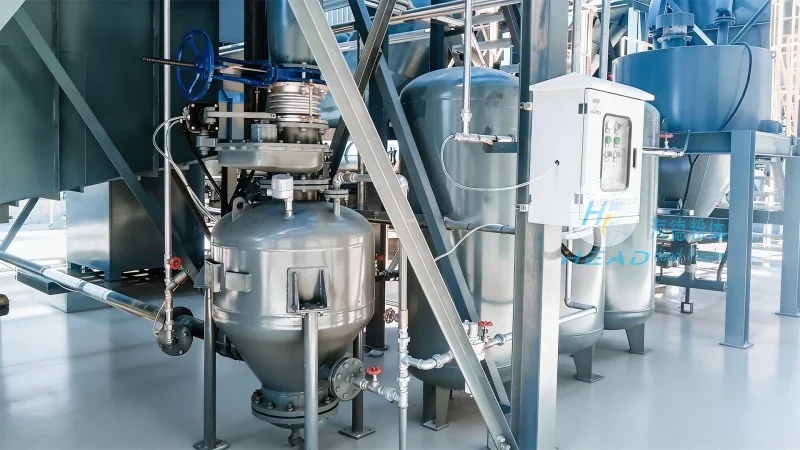
Key Components of the Pneumatic Conveying System
The pneumatic conveying equipment for LMO materials typically consists of several core components that work in tandem to achieve efficient material transport. The primary components include a hopper or feeder for material storage and feeding, a compressor or air supply system to generate the necessary air pressure, a conveying pipeline network to transport the material, a separation or collection system to discharge the material at the destination, and control systems to regulate the operation. Each component plays a vital role in ensuring the smooth and consistent movement of LMO powders from the source to the processing or packaging stage.
Operation Process of the Pneumatic Conveying Equipment
The operation of the LMO material pneumatic conveying system follows a systematic sequence of steps to ensure optimal performance. The process begins with the loading of LMO powders into the hopper or feeder. The feeder then controls the material flow rate, ensuring a consistent feed to the conveying system. Simultaneously, the air compressor generates high-pressure air, which is introduced into the conveying pipeline. The compressed air creates a flow that entrains the LMO particles, forming a slurry of air and material. This mixture travels through the pipeline network, reaching the destination point where the material is separated from the air. The separation system, such as a cyclone or filter, captures the LMO powder and directs it to the collection container, while the air is either recirculated or vented to the atmosphere. The control system monitors parameters like pressure, flow rate, and material level, adjusting the operation as needed to maintain stability and prevent issues like blockages or overloading.
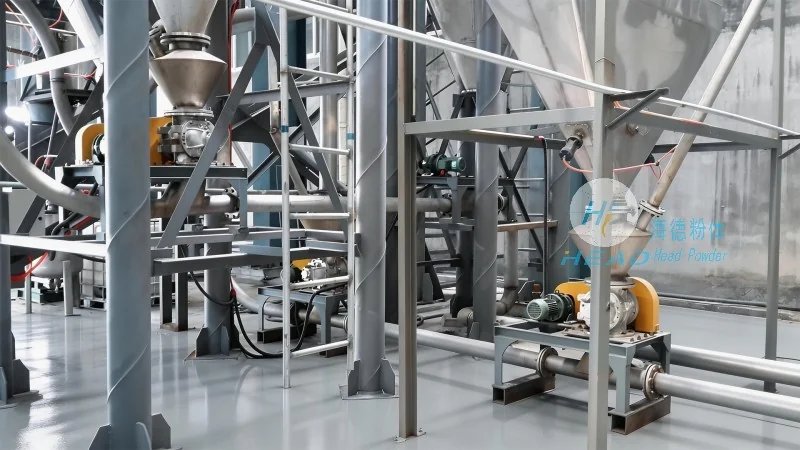
Working Principle of the Pneumatic Conveying System
The working principle of the pneumatic conveying system for LMO materials is based on the principles of fluid dynamics and particle transport. The system relies on the generation of airflow to entrain and transport the fine powders. There are two main types of pneumatic conveying systems: dilute-phase and dense-phase. Dilute-phase systems operate at higher air velocities, typically 20-30 m/s, where the material is suspended in the air stream as individual particles. This method is suitable for short to medium distances and low to medium material loads. Dense-phase systems, on the other hand, operate at lower air velocities (5-15 m/s) and higher material concentrations, where the material forms a plug or slurry within the pipeline. This approach is ideal for longer distances and higher material loads, as it reduces the risk of particle degradation and system blockages. The choice between these systems depends on the specific requirements of the LMO material handling application, including the distance between the source and destination, the material characteristics (such as particle size, moisture content, and flowability), and the desired throughput.
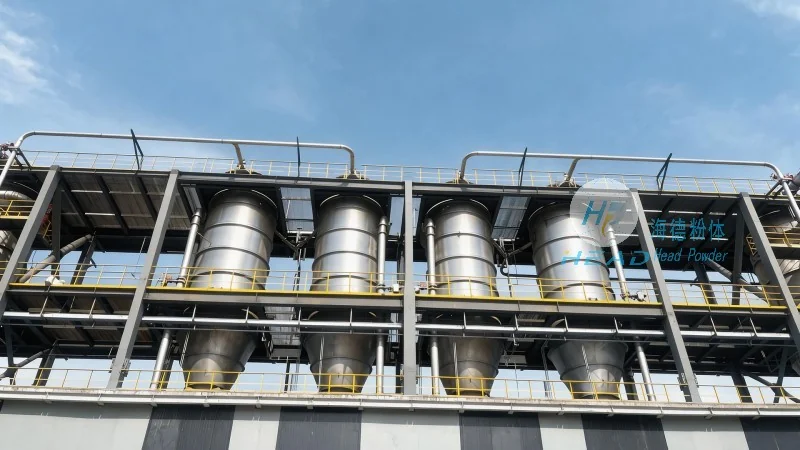
Technical Advantages of Pneumatic Conveying for LMO Materials
Implementing pneumatic conveying systems for LMO materials offers several technical advantages over traditional mechanical conveying methods. First, the closed-loop operation ensures minimal dust generation, which is crucial for maintaining a clean and safe working environment, especially in battery production facilities where dust can be hazardous. Second, the system provides excellent control over material flow, allowing for precise dosing and consistent product quality. Third, pneumatic conveying can handle fine and abrasive powders without causing wear or damage to the equipment, as the material is suspended in the air rather than being in direct contact with the conveying components. Fourth, the system is highly flexible, allowing for changes in the material flow path or destination without significant modifications to the infrastructure. Finally, the ability to recirculate air in the system reduces energy consumption and operational costs, making it an environmentally friendly and cost-effective solution for LMO material transport.
Company Profile: Shandong HeadPowder Engineering Co., Ltd.
Shandong HeadPowder Engineering Co., Ltd., operating under the brand name headpowder, is a leading manufacturer of specialized pneumatic conveying equipment for the chemical and battery industries. With a focus on innovation and customer-centric solutions, the company has developed advanced systems tailored to the unique requirements of handling lithium manganese oxide and other fine powders. Headpowder's expertise lies in designing equipment that ensures high efficiency, reliability, and safety, meeting the stringent standards of modern battery production. The company's facilities are located in Shandong, China, where it leverages local resources and industry expertise to deliver high-quality products and services to clients worldwide. By combining cutting-edge technology with practical engineering, headpowder continues to be a trusted partner in the development and implementation of efficient material handling solutions for the battery and energy storage sectors.