

Operation Process and Working Principle of Pneumatic Conveying Equipment for Aluminum Battery Materi
HeadPowder, a leading engineering company based in Shandong, China, specializes in the design, manufacturing, and supply of advanced pneumatic conveying equipment tailored for various industrial applications, including the aluminum battery material sector. The company's expertise lies in developing efficient and reliable systems that ensure safe and effective material handling for critical components used in modern battery production.
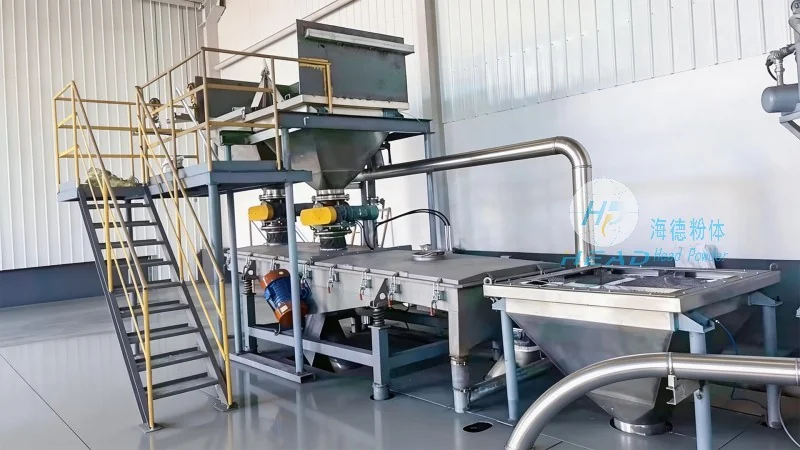
Overview of Pneumatic Conveying Equipment for Aluminum Battery Materials
The pneumatic conveying equipment designed for aluminum battery materials is a sophisticated system engineered to transport bulk materials such as aluminum powders, flakes, or other battery-related components from storage silos or processing units to production lines. This equipment is essential for maintaining consistent material flow, minimizing downtime, and ensuring the quality of the final battery products. The system typically integrates components like hoppers, feeders, air compressors, and conveying lines, all working in harmony to achieve seamless material transfer.
Key Components and Their Functions
At the core of the pneumatic conveying system are several critical components that ensure optimal performance. The material hopper serves as the storage and feeding unit, where aluminum battery materials are loaded and prepared for transport. The feeder, often a rotary or vibratory type, regulates the flow rate of the material into the conveying line, preventing overloading and maintaining a steady stream. The air compressor generates the necessary pressure or vacuum to move the material through the system, with options available for both positive pressure (where air pushes the material) and negative pressure (where air pulls the material). The conveying lines, usually made of stainless steel or other corrosion-resistant materials, are designed to withstand the abrasive nature of aluminum powders and ensure minimal material loss or degradation. Additionally, the system may include filters and cyclones to separate the material from the air stream, ensuring clean and efficient operation.
Operation Process of the Equipment
The operation of the pneumatic conveying equipment for aluminum battery materials follows a systematic process that begins with material loading into the hopper. Initially, the aluminum battery materials are stored in the hopper, which is equipped with a lid to prevent contamination and maintain material integrity. Once the hopper is filled, the feeder is activated to control the discharge rate of the material. Simultaneously, the air compressor starts, generating the required pressure or vacuum depending on the system configuration. The material is then introduced into the conveying line via the feeder, where it is carried by the air stream to the destination point, such as a mixing or processing unit. The conveying process continues until the hopper is emptied or the required material quantity is transferred. After the transfer is complete, the system may undergo a cleaning cycle to remove any residual material from the lines and components, ensuring the equipment is ready for the next batch.
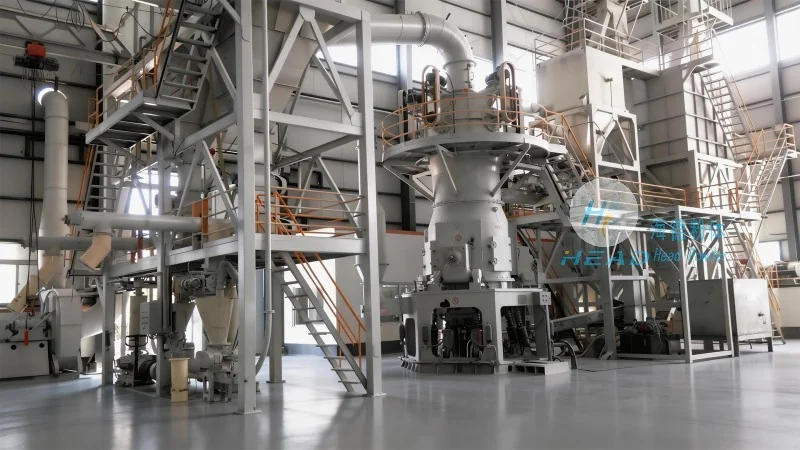
Working Principle of the Equipment
The working principle of the pneumatic conveying equipment relies on the fundamental physics of fluid dynamics and material transport. In positive pressure systems, the air compressor supplies compressed air to the conveying line, creating a pressure differential that pushes the material through the system. The air and material mixture travels through the line at high velocity, with the air providing the necessary force to overcome friction and gravity. In negative pressure systems, the air is drawn from the conveying line using a vacuum pump, creating a suction effect that pulls the material into the line. The material is then carried by the air stream to the collection point. The choice between positive and negative pressure depends on factors such as material properties, system length, and operational requirements. The system's efficiency is enhanced by the design of the conveying lines, which minimize pressure drop and ensure consistent material flow. Additionally, the use of appropriate air velocities and line diameters is crucial to prevent material degradation, blockages, or excessive energy consumption.
Advantages of Using Pneumatic Conveying for Aluminum Battery Materials
Implementing pneumatic conveying equipment for aluminum battery materials offers several significant advantages over traditional mechanical conveying methods. First, the system provides a fully enclosed and dust-free environment, which is critical for maintaining the purity of aluminum powders and preventing contamination from external sources. This enclosed design also enhances workplace safety by reducing the risk of dust explosions and improving air quality. Second, the equipment offers high efficiency in material transfer, with the ability to handle large volumes of material quickly and reliably. The adjustable flow rates allow for precise control over the material delivery, ensuring that production lines receive the exact quantity needed at the right time. Third, the system is highly flexible and can be easily integrated with existing production processes, allowing for seamless expansion or modification as production needs change. Additionally, the use of corrosion-resistant materials in the construction of the conveying lines ensures long-term durability and minimal maintenance requirements, reducing operational costs over time.
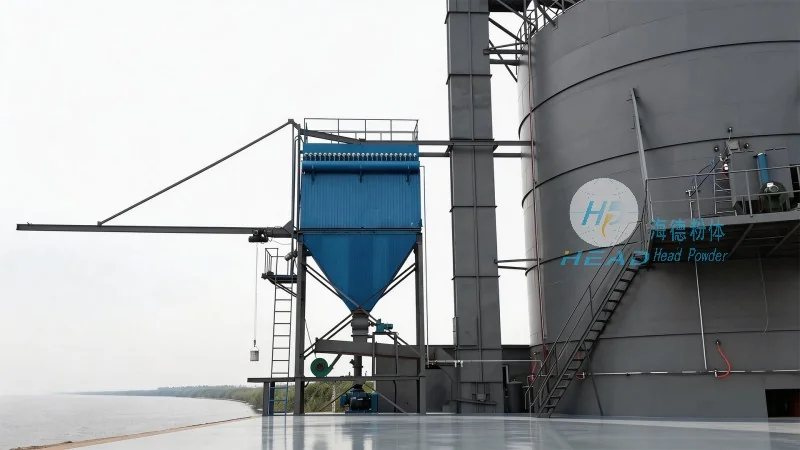
Application Examples in Aluminum Battery Manufacturing
The pneumatic conveying equipment is widely used in various stages of aluminum battery manufacturing, from raw material handling to final product assembly. For instance, in the initial stages, the equipment is used to transport aluminum powders from storage silos to mixing units, where they are combined with other battery components such as electrolytes and binders. The precise control over material flow ensures that the mixing process is consistent, leading to uniform battery performance. In subsequent stages, the equipment may be used to transfer aluminum flakes or other pre-processed materials to coating or electrode formation machines. The enclosed and controlled environment of the system prevents material contamination and ensures that the electrode layers are of high quality. Furthermore, the equipment can be integrated into automated production lines, allowing for continuous and unattended operation, which reduces labor costs and increases overall productivity.
Maintenance and Operational Considerations
To ensure the long-term reliability and efficiency of the pneumatic conveying equipment for aluminum battery materials, regular maintenance and proper operational practices are essential. The system should be inspected regularly for signs of wear and tear, such as leaks in the air compressor or blockages in the conveying lines. The filters and cyclones should be cleaned or replaced as needed to maintain optimal performance and prevent material buildup. The feeder and hopper should be checked for material buildup or clogging, which can affect the flow rate and cause system inefficiencies. Additionally, the air compressor should be maintained according to the manufacturer's specifications, including regular oil changes and pressure checks, to ensure consistent performance. Proper training of operators on the system's operation and maintenance is also crucial to prevent accidents and ensure the equipment operates within its design parameters. By following these maintenance and operational guidelines, the equipment can provide reliable service for extended periods, minimizing downtime and maximizing productivity.
Conclusion
HeadPowder's pneumatic conveying equipment for aluminum battery materials represents a cutting-edge solution for efficient and safe material handling in the battery manufacturing industry. By leveraging advanced engineering and robust design, the system ensures consistent performance, high material purity, and minimal operational costs. The equipment's adaptability and flexibility make it suitable for various production scales and applications, from small-scale battery production to large-scale industrial operations. As the demand for aluminum batteries continues to grow, the importance of reliable material handling systems becomes increasingly critical. HeadPowder's commitment to quality and innovation ensures that their pneumatic conveying equipment remains at the forefront of the industry, providing customers with the tools they need to meet the evolving demands of the battery market.