

Operation Process and Working Principle of Riced Flour Material Pneumatic Conveying Equipment
For industries dealing with riced flour and similar fine powders, efficient material handling is crucial for maintaining product quality and operational productivity. Pneumatic conveying systems have emerged as a preferred solution, offering a clean, dust-free, and flexible method to transport such materials. This article delves into the operation process and working principle of riced flour material pneumatic conveying equipment, highlighting how it ensures reliable and safe material transport while adhering to industry standards.
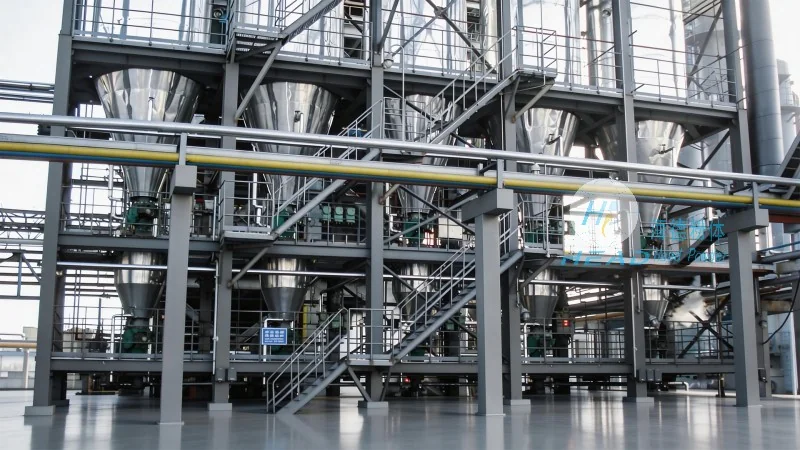
Company Overview: Shandong HeadPowder Engineering Co., Ltd.
HeadPowder, a leading manufacturer based in Shandong, China, specializes in the design, production, and supply of advanced material handling equipment. With years of experience in the industry, the company has built a reputation for delivering high-quality, reliable solutions tailored to the specific needs of clients in the food, pharmaceutical, and chemical sectors. The company’s commitment to innovation and customer satisfaction is reflected in its state-of-the-art facilities and professional technical team, ensuring that each product meets the highest standards of performance and safety.
Understanding Pneumatic Conveying Systems for Riced Flour
Pneumatic conveying systems utilize air or gas to transport bulk materials like riced flour through a network of pipes. This method is particularly advantageous for fine powders, as it minimizes product degradation, prevents contamination, and reduces the risk of dust explosions compared to traditional mechanical conveying methods. The core components of a typical riced flour pneumatic conveying system include a material hopper, a rotary valve, a conveying line, a filter unit, and a dust collection system. Each component plays a critical role in the overall operation, ensuring smooth and efficient material transport.
The Operation Process of Riced Flour Pneumatic Conveying Equipment
The operation process of riced flour pneumatic conveying equipment typically involves several sequential steps, each designed to ensure optimal performance and material handling efficiency. The first step is the loading of riced flour into the material hopper. The hopper is equipped with a feeding mechanism, such as a rotary valve, which controls the flow of material into the conveying line. As the valve rotates, it releases controlled amounts of flour into the pipeline, preventing overloading and maintaining consistent flow rates.
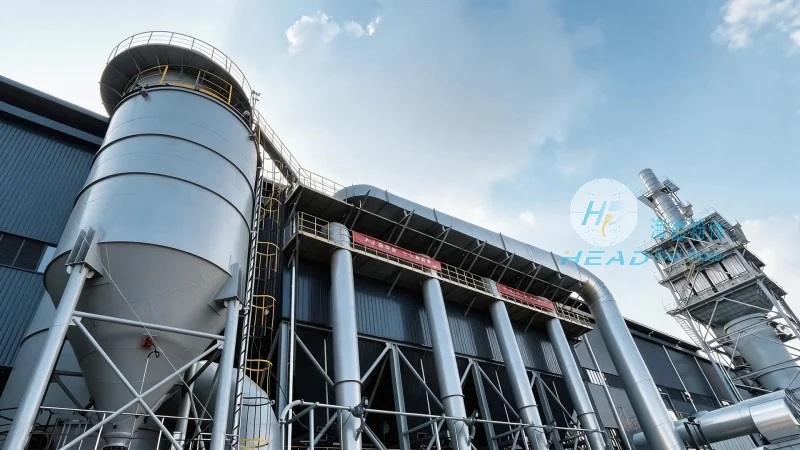
Once the material enters the conveying line, it is propelled by a high-pressure air stream generated by a blower or compressor. The air flow is directed through the pipeline, carrying the riced flour particles along with it. The speed and pressure of the air are carefully regulated to ensure that the material is transported without causing excessive wear on the equipment or damaging the product. The conveying line is usually made of corrosion-resistant materials, such as stainless steel, to withstand the abrasive nature of fine powders and maintain hygiene standards.
During the conveying process, the riced flour is separated from the air stream at the receiving end of the system. This is achieved through a filter unit, which captures the fine particles and returns them to the system for further processing. The clean air, now free of dust, is then discharged through a dust collection system, which may include a baghouse or cyclone separator to ensure compliance with environmental regulations. The separated flour is collected in a receiving hopper, ready for further processing or packaging.
Working Principle of Riced Flour Pneumatic Conveying Equipment
The working principle of riced flour pneumatic conveying equipment is based on the fundamental principles of fluid dynamics and particle transport. The system operates by creating a pressure differential between the material hopper and the receiving end of the pipeline. The blower or compressor generates a high-pressure air stream that creates a negative pressure in the conveying line, drawing the riced flour particles into the air flow. This pressure differential ensures that the material is continuously transported through the system, maintaining a consistent flow rate.
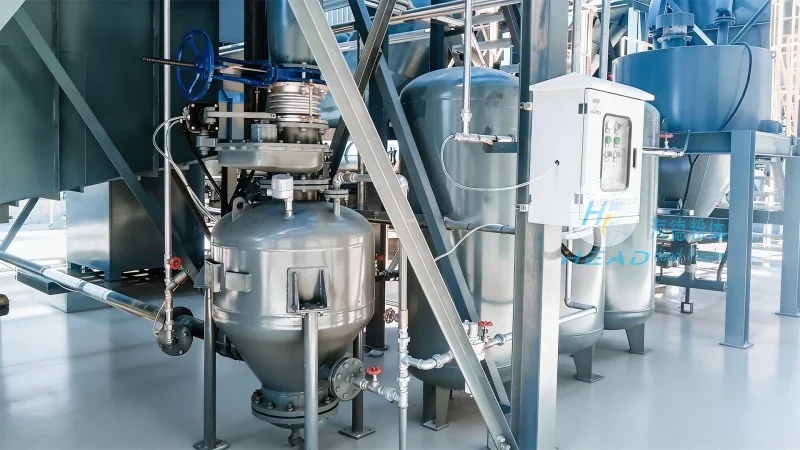
The design of the conveying line and the size of the air nozzle are critical factors in determining the efficiency of the system. The air nozzle is typically located at the bottom of the material hopper, ensuring that the air stream directly contacts the material, minimizing the risk of material bridging or clogging. The velocity of the air stream is carefully calculated to achieve the optimal balance between conveying efficiency and energy consumption. Too low a velocity may result in material deposition or clogging, while too high a velocity can cause excessive wear on the equipment and increase energy costs.
Key Features and Advantages of Riced Flour Pneumatic Conveying Equipment
HeadPowder’s riced flour pneumatic conveying equipment offers several key features and advantages that make it an ideal choice for industries dealing with fine powders. One of the primary advantages is its ability to maintain product purity and quality. The closed system design prevents contamination from external sources, ensuring that the riced flour remains free from dust, moisture, or other impurities. This is particularly important in the food and pharmaceutical industries, where product safety and compliance with regulatory standards are paramount.
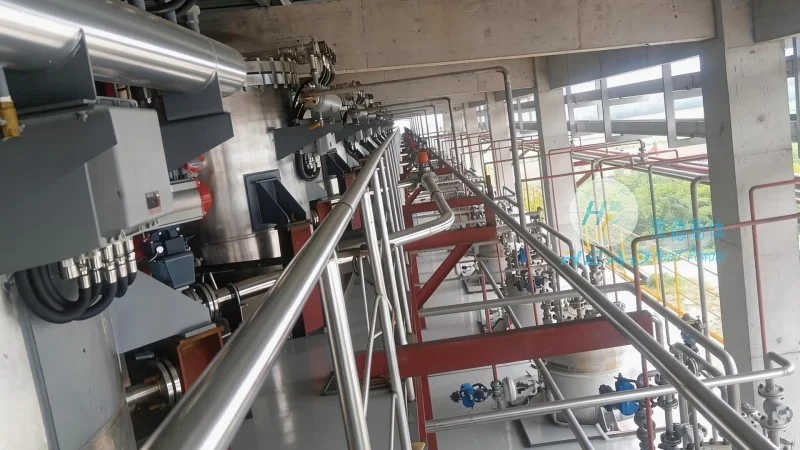
Another significant advantage is the system’s flexibility and scalability. The equipment can be customized to accommodate different material volumes and conveying distances, making it suitable for a wide range of applications, from small-scale production lines to large industrial facilities. The modular design allows for easy integration with existing production processes, minimizing downtime and installation costs.
The equipment also offers enhanced safety features, including automatic shut-off mechanisms in case of blockages or pressure fluctuations, and dust collection systems that comply with environmental regulations. These features ensure that the operation is safe for personnel and environmentally responsible, reducing the risk of accidents and legal issues.
Conclusion
In conclusion, riced flour material pneumatic conveying equipment is a highly effective and efficient solution for transporting fine powders like riced flour. The operation process, which involves loading, conveying, and separation, is designed to ensure consistent and reliable material transport. The working principle, based on fluid dynamics and pressure differentials, ensures optimal performance and energy efficiency. HeadPowder’s expertise in designing and manufacturing such equipment ensures that clients receive a high-quality, reliable solution that meets their specific needs and industry standards. For industries seeking to improve their material handling processes, riced flour pneumatic conveying equipment from HeadPowder offers a superior alternative to traditional mechanical conveying methods.