

Operation Process and Working Principle of Corn Material Pneumatic Conveying Equipment
Shandong HeadPowder Engineering Co., Ltd., a prominent player in the engineering sector, specializes in the development and manufacturing of advanced pneumatic conveying solutions for corn material handling. This article provides a comprehensive overview of the operational process and working principles of such equipment, illustrating how it efficiently transports bulk corn from one point to another in industrial settings. The focus is on the technical aspects and practical applications of the system, ensuring a clear understanding of its functionality and benefits.
Key Components and Their Functions
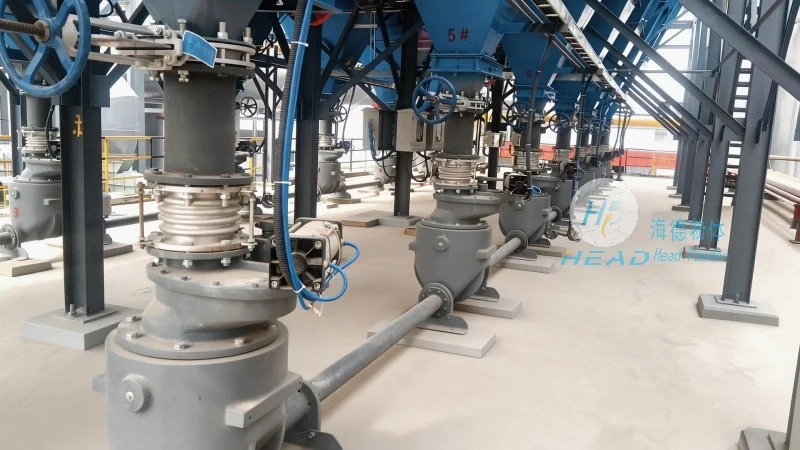
The pneumatic conveying system for corn material consists of several critical components, each playing a vital role in the overall operation. The hopper serves as the primary storage unit, holding the corn material and providing a consistent feed to the system. The feeder, typically a rotary valve or screw feeder, regulates the flow rate of corn into the conveying line, ensuring a steady supply without overloading the system. The conveying line, made of durable metal or flexible tubing, is the main pathway for transporting the corn, utilizing air pressure to move the material. The receiver is the terminal unit that collects the conveyed corn and discharges it at the desired location. Each component is designed to work in harmony, contributing to the system's efficiency and reliability.
Working Principle: Air as the Conveying Medium
The working principle of a corn material pneumatic conveying system is based on the utilization of air as the primary conveying medium. When the system is activated, a high-capacity fan or blower generates a high-pressure airflow within the conveying line. This airflow creates a negative pressure (suction) at the inlet of the hopper, effectively drawing the corn material into the line. The corn particles are then carried along the line by the moving air stream, reaching the receiver at the other end. The system operates in a suction mode, which is ideal for corn handling due to its ability to handle fine particles and prevent material degradation. The air pressure and flow rate are carefully controlled to ensure optimal transport efficiency and material integrity.
Step-by-Step Operation Process
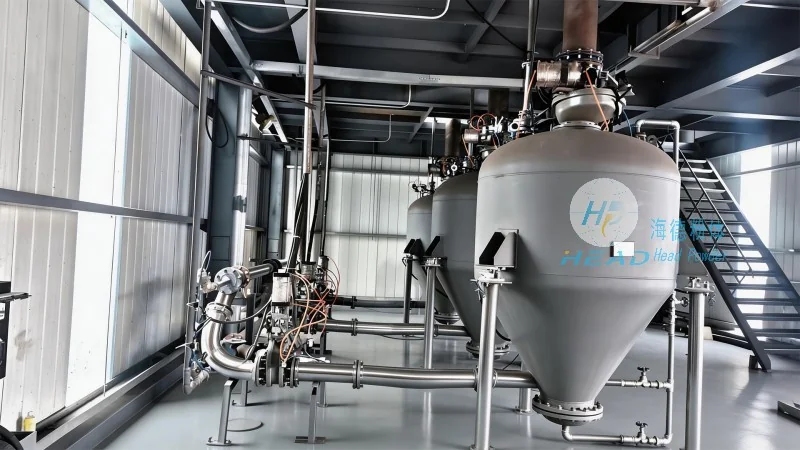
The operation process of a corn material pneumatic conveying system involves a series of sequential steps that ensure smooth and continuous material transport. Initially, the corn material is loaded into the hopper, which is equipped with a level indicator to monitor the material level. The feeder then starts, regulating the discharge rate based on the system's requirements. The fan or blower is activated, generating the necessary airflow to initiate the conveying process. As the air flows through the line, it picks up the corn particles and transports them to the receiver. The receiver collects the material and may have a discharge valve to release it when the target quantity is reached. The system continues to operate until the hopper is emptied or the conveying task is completed. Regular monitoring of the system's performance, including air pressure and flow rate, is essential to maintain efficiency and identify any potential issues early.
Advantages Over Traditional Conveying Methods
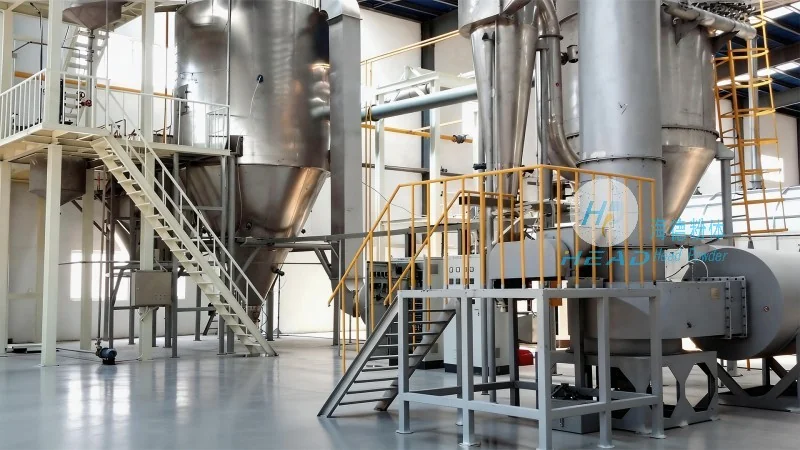
Compared to traditional mechanical conveyors, pneumatic conveying systems offer several advantages when handling corn material. Firstly, it eliminates the risk of material contamination and damage, as there are no physical contact points between the corn and the conveying equipment. This is particularly important for corn used in food processing, where hygiene is a top priority. Secondly, the system is highly flexible, allowing for changes in the conveying route without significant modifications to the infrastructure. This adaptability makes it suitable for various industrial layouts. Thirdly, pneumatic conveying reduces labor costs by automating the material transport process, minimizing the need for manual handling. Additionally, the system is compact and can be installed in confined spaces, making it ideal for facilities with limited floor space. The efficiency of transporting large volumes of corn quickly and reliably is another key advantage, contributing to increased productivity in corn processing operations.
Applications in Corn Processing and Handling
Corn material pneumatic conveying systems are widely utilized in various stages of corn processing and handling. In corn milling facilities, the system transports raw corn from storage silos to the milling equipment, ensuring a continuous supply of material. In corn ethanol production, it conveys corn to the fermentation tanks, where it is processed into ethanol. In animal feed production, the system transports corn to the mixing and packaging lines, integrating it with other ingredients to form complete feed products. The versatility of the system allows it to handle different forms of corn, including whole corn kernels, cornmeal, and corn flour. The ability to maintain the quality of the corn during transport is crucial, and pneumatic conveying systems excel in this aspect by minimizing exposure to air and moisture, which can affect the nutritional value and shelf life of the product. The consistent and hygienic transport of corn material enhances the overall quality of the final products in these industries.