

Operation Process and Working Principle of Air-Pneumatic Conveying Equipment for Fine Sand Materials
HeadPowder, a leading engineering firm based in Shandong, China, specializes in the design, manufacturing, and installation of advanced air-pneumatic conveying systems tailored for handling fine sand materials. These systems are crucial in various industrial applications, offering efficient, dust-free, and flexible material transport solutions. This article delves into the operational process and underlying working principles of such equipment, providing a comprehensive understanding for professionals in the field.
Overview of Air-Pneumatic Conveying Systems for Fine Sand
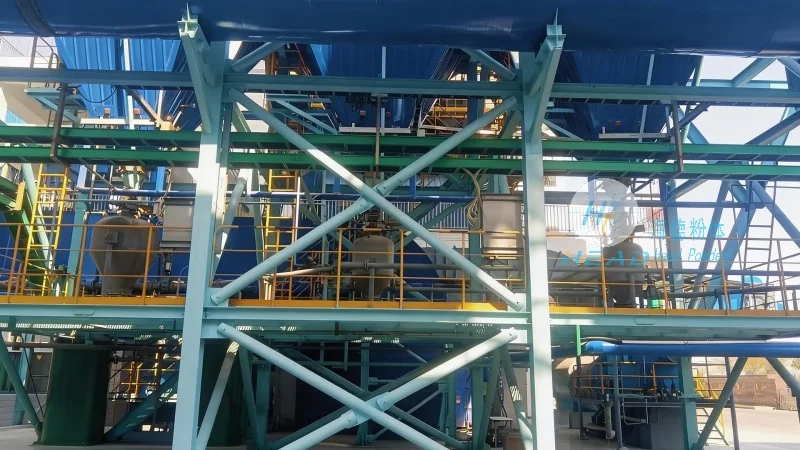
At the core of air-pneumatic conveying technology is the use of compressed air to transport fine sand and other particulate materials through a pipeline system. Unlike traditional mechanical conveying methods, this approach eliminates the need for moving parts in the transport path, reducing maintenance requirements and enhancing safety. The system typically consists of several key components, including a material feed hopper, a rotary airlock valve, a conveying line, and a dust collection system. Each component plays a vital role in ensuring the smooth and efficient movement of fine sand from the source to the destination.
Working Principle of the Conveying Process
The fundamental principle behind air-pneumatic conveying is the creation of a pressure differential within the conveying line. Compressed air is introduced into the system, generating a flow that propels the fine sand particles through the pipeline. The air velocity is carefully controlled to ensure that the particles are entrained without causing excessive wear or degradation. The rotary airlock valve at the inlet controls the flow of material into the system, preventing backflow and maintaining a consistent feed rate. As the fine sand travels through the conveying line, it is suspended by the air stream, allowing for long-distance transport with minimal energy consumption.
Step-by-Step Operational Process
The operation of an air-pneumatic conveying system for fine sand involves a series of coordinated steps. Initially, the fine sand is fed into the material hopper from the storage silo or batch container. The rotary airlock valve then regulates the discharge of the material into the conveying line, ensuring a controlled flow rate. Compressed air is supplied to the system, creating a positive pressure that drives the material forward. The fine sand particles are carried along the pipeline by the air stream, with the air velocity maintained at an optimal level to prevent particle separation or blockages. At the receiving end, a rotary airlock valve or a dust collector captures the material, and the air is filtered and discharged safely. The entire process is automated, with sensors and control systems monitoring parameters such as pressure, flow rate, and material level to ensure continuous and reliable operation.
Key Components and Their Functions
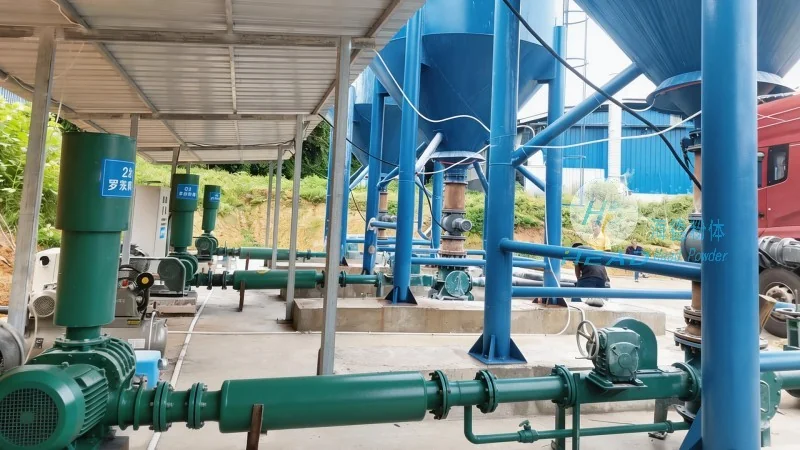
Several critical components contribute to the effective operation of air-pneumatic conveying equipment for fine sand. The material feed hopper serves as the storage and feeding unit, providing a consistent supply of material to the system. The rotary airlock valve acts as a gate, controlling the flow of fine sand into the conveying line and preventing air leakage or material backflow. The conveying line, typically made of stainless steel or other corrosion-resistant materials, ensures the safe and efficient transport of the material. The dust collection system, often integrated with the receiving end, captures any fine particles that may escape, maintaining air quality and preventing environmental contamination. Additionally, the compressed air system, including the compressor and air dryer, provides the necessary pressure and dry air to maintain optimal conveying conditions.
Advantages of Air-Pneumatic Conveying for Fine Sand
Compared to traditional conveying methods, air-pneumatic conveying offers several advantages when handling fine sand materials. The primary benefit is the elimination of dust and contamination, as the material is enclosed within the pipeline. This reduces the risk of product degradation and improves overall product quality. The system also provides flexibility in terms of layout and distance, allowing for horizontal, vertical, or mixed-direction transport. Additionally, the absence of moving parts in the conveying line reduces maintenance costs and increases operational reliability. The energy efficiency of the system, with optimized air velocity and pressure, results in lower operational costs and reduced environmental impact.
Applications and Industries
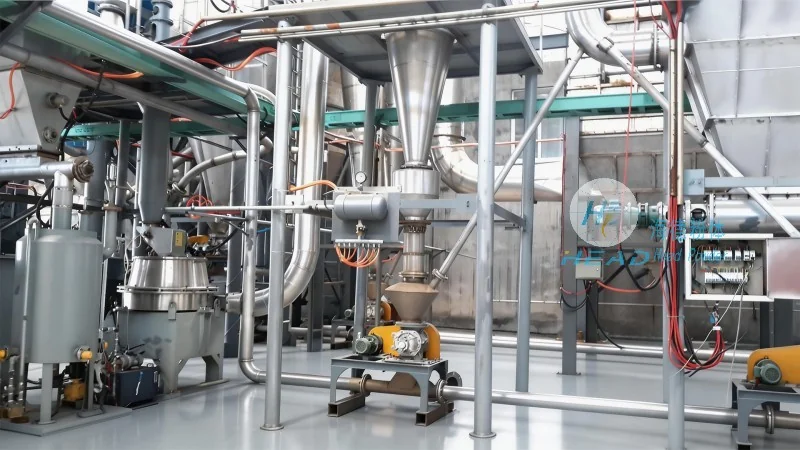
Air-pneumatic conveying equipment for fine sand is widely used in various industries, including mining, construction, and chemical processing. In the mining industry, it is used to transport sand from processing plants to storage facilities or for further processing. In construction, it is employed to move sand for concrete production and other building materials. The chemical industry utilizes these systems for transporting fine sand in the production of ceramics, glass, and other materials. The versatility and efficiency of the technology make it an ideal solution for industries requiring reliable and dust-free material transport.
Maintenance and Operational Considerations
Proper maintenance is essential to ensure the long-term performance and reliability of air-pneumatic conveying systems for fine sand. Regular inspection of the conveying line for blockages or wear is crucial. The rotary airlock valves and feed hoppers should be cleaned periodically to prevent material buildup. The compressed air system should be maintained to ensure consistent pressure and dry air quality. Additionally, monitoring the system's performance parameters, such as pressure drops and flow rates, helps identify potential issues before they lead to system failures. Proper training of operators and adherence to safety protocols are also vital to ensure safe and efficient operation.
Conclusion
HeadPowder's air-pneumatic conveying equipment for fine sand materials represents a sophisticated and efficient solution for material transport in various industrial applications. By understanding the operational process and working principles, users can optimize the system's performance, enhance product quality, and reduce operational costs. With its ability to provide dust-free, flexible, and reliable transport, this technology continues to be a preferred choice for industries handling fine sand and other particulate materials. HeadPowder's expertise in engineering and manufacturing ensures that these systems are tailored to meet the specific needs of each application, providing long-term value and reliability.