

Operation Process and Working Principle of Material Pneumatic Conveying Equipment for Smart Tonne Ba
HeadPowder, a leading engineering company based in Shandong, China, specializes in the design and manufacturing of advanced material handling solutions. This article provides a detailed overview of the operation process and working principle of its material pneumatic conveying equipment, which is commonly used in smart tonne bag loading stations for efficient bulk material transfer.
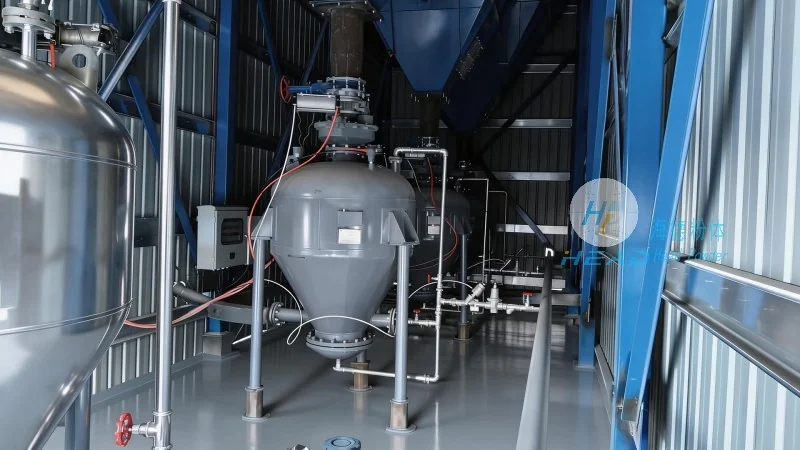
Overview of the Pneumatic Conveying System
The material pneumatic conveying equipment for smart tonne bag loading stations is a sophisticated system engineered to handle bulk materials from large tonne bags into processing facilities or storage silos. It integrates several key components, including a hopper, a rotary valve, a conveying pipeline, and a dust collection system. The system is designed to ensure safe, efficient, and dust-free material transfer, making it ideal for industries such as chemical, food, and pharmaceuticals where material purity and environmental compliance are critical.
Key Components and Their Functions
Each component of the pneumatic conveying system plays a crucial role in the overall operation. The hopper serves as the initial storage container for the bulk material from the tonne bag. It is equipped with a discharge valve that controls the flow of material into the system. The rotary valve, positioned at the bottom of the hopper, acts as a gate to regulate the material feed rate, preventing overloading and ensuring a steady flow. The conveying pipeline, typically made of stainless steel or other corrosion-resistant materials, transports the material from the hopper to the destination silo or processing unit. The pipeline is equipped with pressure regulators and check valves to maintain consistent air pressure and prevent backflow. Finally, the dust collection system, including filters and a vacuum pump, captures and removes any airborne particles, ensuring a clean and safe working environment.
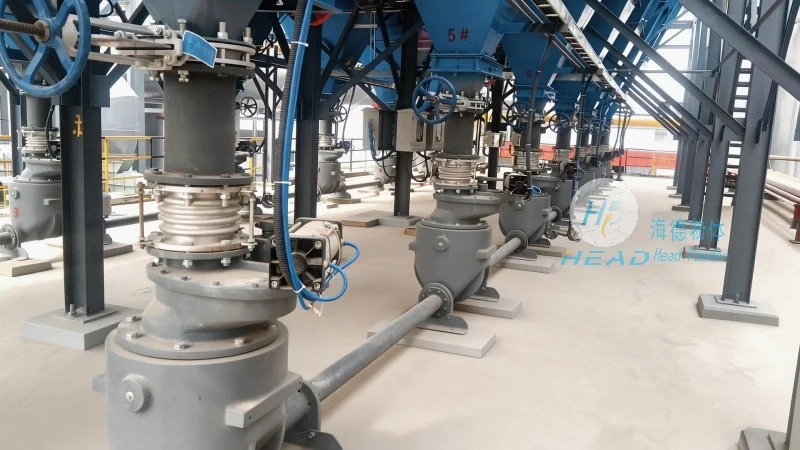
Operation Process of the Pneumatic Conveying Equipment
The operation of the material pneumatic conveying equipment for smart tonne bag loading stations follows a systematic sequence of steps. The process begins with the placement of a filled tonne bag onto the hopper. The discharge valve is then opened, allowing the material to fall into the hopper. The rotary valve is adjusted to control the flow rate, ensuring that the material is fed into the conveying pipeline at a consistent rate. Simultaneously, the dust collection system is activated, capturing any particles that may be released during the material transfer. The conveying pipeline is pressurized with air, which creates a flow that pulls the material through the pipeline to the destination silo or processing unit. The material is then deposited into the silo, completing the transfer process. The system is designed to be fully automated, with sensors and controls that monitor the flow rate, pressure, and material level, ensuring optimal performance and minimal downtime.
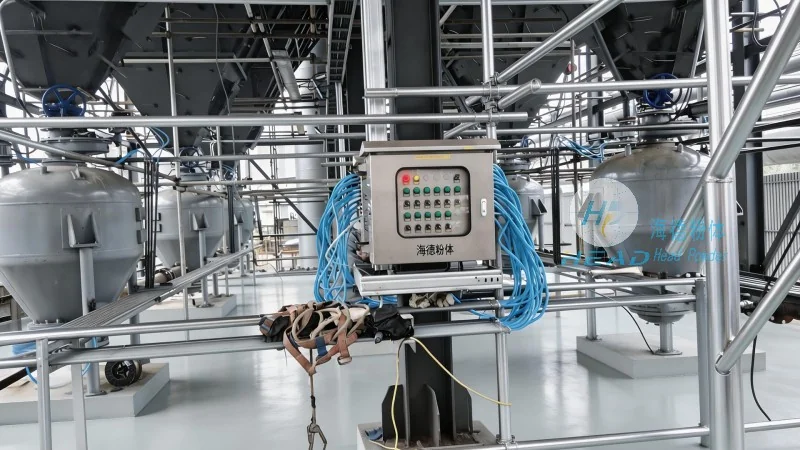
Working Principle of the Pneumatic Conveying System
The working principle of the material pneumatic conveying equipment is based on the use of air as the conveying medium. The system operates by creating a pressure differential between the hopper and the destination silo. When the rotary valve opens, the material is drawn into the conveying pipeline by the negative pressure created by the air flow. The air flow, typically generated by a vacuum pump or a positive pressure blower, moves the material through the pipeline at a controlled velocity. The pipeline design, including the use of bends and elbows, is optimized to minimize pressure loss and ensure efficient material transport. The dust collection system works in conjunction with the conveying process, capturing any particles that are entrained in the air flow and filtering them to meet environmental standards. The entire system is designed to be energy-efficient and low-maintenance, with components that are easily accessible for inspection and repair.
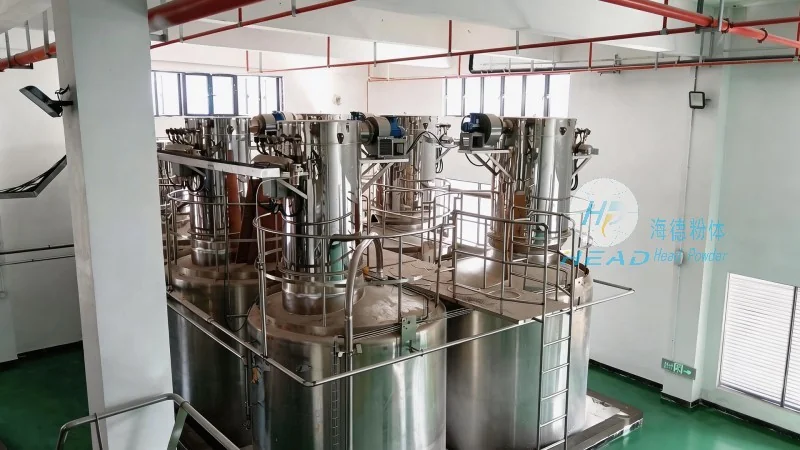
Benefits and Applications
The material pneumatic conveying equipment for smart tonne bag loading stations offers several advantages over traditional material handling methods. It provides a dust-free and clean transfer process, which is essential for industries where material purity is critical. The system is also highly efficient, with minimal material loss and reduced labor costs compared to manual handling. Additionally, the automated operation ensures consistent performance and reduces the risk of human error. The equipment is widely used in various industries, including chemical manufacturing, food processing, and pharmaceutical production, where the handling of bulk materials requires precision and reliability.
HeadPowder Engineering Co., Ltd., based in Shandong, China, is a trusted provider of such advanced material handling solutions. The company's expertise in engineering and manufacturing ensures that its pneumatic conveying equipment meets the highest standards of quality and performance. By leveraging the latest technology and design principles, HeadPowder delivers reliable and efficient solutions that enhance productivity and safety in material handling operations.