

Operating Process and Working Principle of Pneumatic Conveying Equipment for Silo Materials
For industrial applications involving the handling of bulk materials from silos, pneumatic conveying equipment offers an efficient and reliable solution. This equipment is designed to transport materials such as powders, granules, and other bulk solids through a pipeline system using compressed air or other gas streams. The operation of such systems involves a series of steps and mechanisms that work in tandem to ensure smooth and effective material transfer. This article explores the operating process and working principle of pneumatic conveying equipment for silo materials, highlighting the key components, processes, and benefits of this technology.
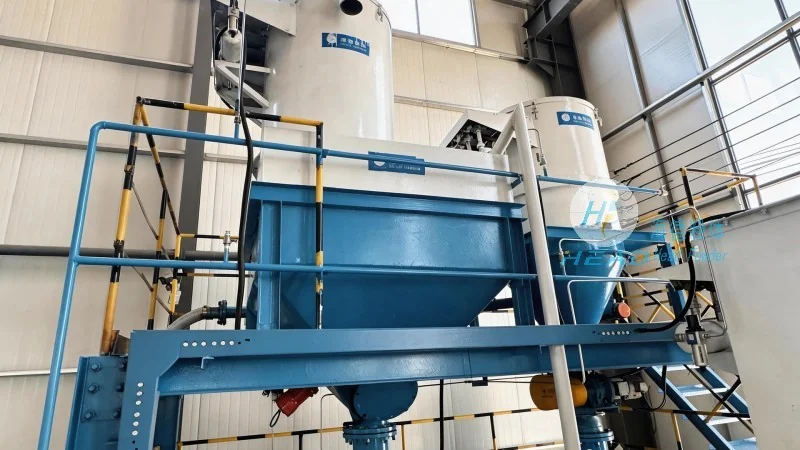
Working Principle of Pneumatic Conveying Systems
The core principle behind pneumatic conveying is the use of air or gas to create a flow that transports solid particles. In a typical system, compressed air is introduced into a hopper or feeder where the material is stored. As the air is released, it creates a low-pressure zone that draws the material into the conveying line. The material is then carried through the pipeline by the moving air stream, which can be either dense-phase or dilute-phase, depending on the system design and material characteristics. The system may include components like a rotary valve, a filter, and a separator to control the flow and ensure the material is delivered to the destination without clogging or loss.
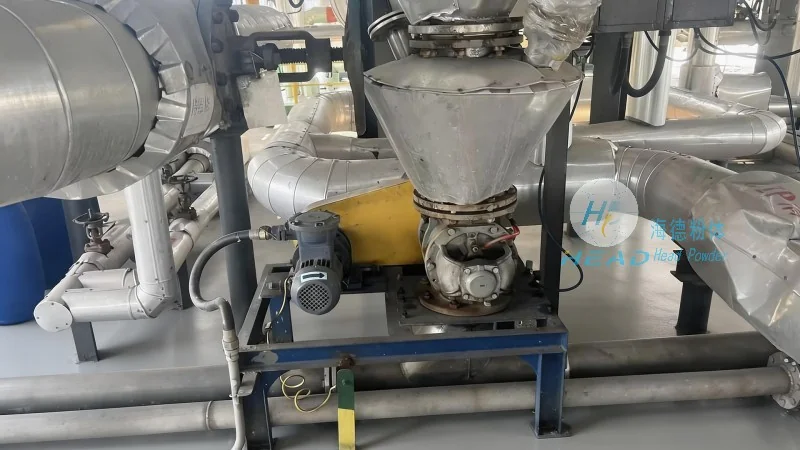
Operating Process of Pneumatic Conveying Equipment
The operation of pneumatic conveying equipment for silo materials typically follows a structured sequence. First, the material is loaded into the silo or storage hopper. A feeder, often a rotary or vibratory type, then meters the material into the conveying line. Compressed air is supplied to the system, creating a pressure differential that initiates the conveying process. The material is then transported through the pipeline to the discharge point, which may be another silo, a processing unit, or a storage area. The system may include a separator to separate the material from the air stream, allowing the air to be recirculated or vented, and the material to be collected in the desired location. The entire process is controlled by a system of valves, sensors, and controls that ensure the flow rate, pressure, and material delivery are maintained at optimal levels.
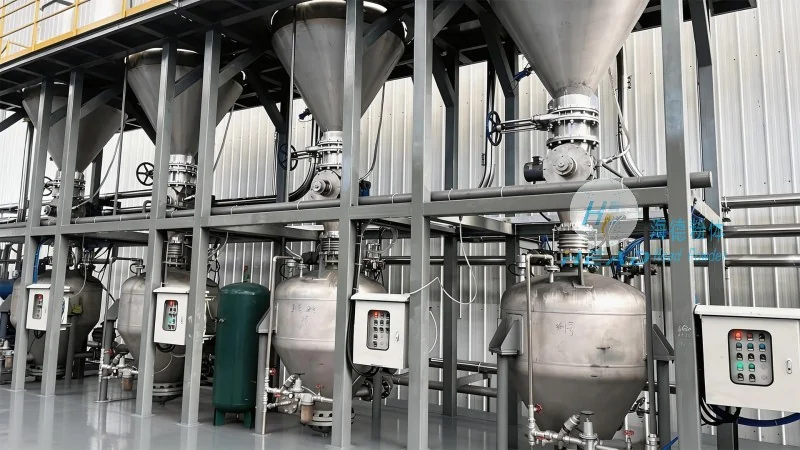
Key Components and Their Functions in Pneumatic Conveying Systems
Several critical components make up a pneumatic conveying system for silo materials. The primary components include the silo or storage hopper, a feeder (such as a rotary valve or screw feeder), a conveying pipeline, a separator or filter, and a control system. The silo serves as the storage container, providing a controlled environment for the material. The feeder regulates the flow of material into the conveying line, ensuring a consistent feed rate. The pipeline transports the material and air mixture from the feeder to the discharge point. The separator or filter removes the material from the air stream, allowing the air to be recycled or released safely. The control system monitors and adjusts the pressure, flow rate, and other parameters to maintain efficient operation and prevent issues like blockages or overpressure.
Advantages of Using Pneumatic Conveying Equipment
Pneumatic conveying equipment offers several advantages for handling silo materials. One of the main benefits is the ability to transport materials over long distances without the need for mechanical components like conveyors or elevators. This reduces the risk of material contamination and damage, as the material is not in direct contact with moving parts. The system is also flexible, allowing for changes in the conveying route or destination without major modifications. Additionally, pneumatic conveying can handle a wide range of materials, from fine powders to coarse granules, and can operate in both dense-phase and dilute-phase modes to optimize efficiency and reduce energy consumption. The technology is also relatively compact and can be integrated into existing industrial setups, making it a cost-effective solution for material handling needs.
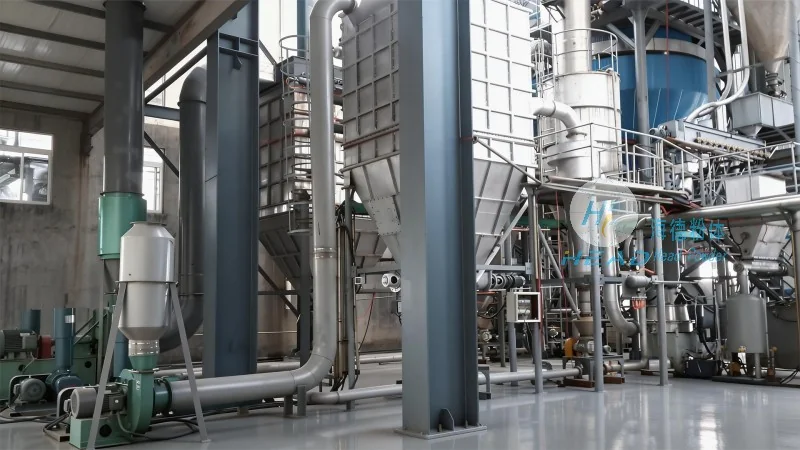
Company Profile: Shandong HeadPowder Engineering Co., Ltd.
Shandong HeadPowder Engineering Co., Ltd., a leading manufacturer in the field of pneumatic conveying equipment, specializes in providing high-quality solutions for bulk material handling. With a focus on innovation and customer satisfaction, the company has developed advanced systems tailored to the needs of various industries, including power plants, chemical processing, and food production. HeadPowder's equipment is designed to meet the highest standards of efficiency, reliability, and safety, ensuring that clients can achieve optimal performance in their material handling operations. The company's facilities are located in Shandong, China, where it leverages local expertise and resources to deliver cutting-edge technology and comprehensive support to its global clientele.