

Operation Process and Working Principle of High-Quality Sorghum Distiller's Grains Material Pneumati
High-quality sorghum distiller's grains are a vital byproduct in the distillation industry, often requiring efficient and reliable transportation from production sites to storage or processing facilities. The pneumatic conveying system developed by Shandong HeadPowder Engineering Co., Ltd. addresses this need with a sophisticated design tailored to handle the unique characteristics of this material. This system ensures seamless material transfer while maintaining operational efficiency and minimal environmental impact.
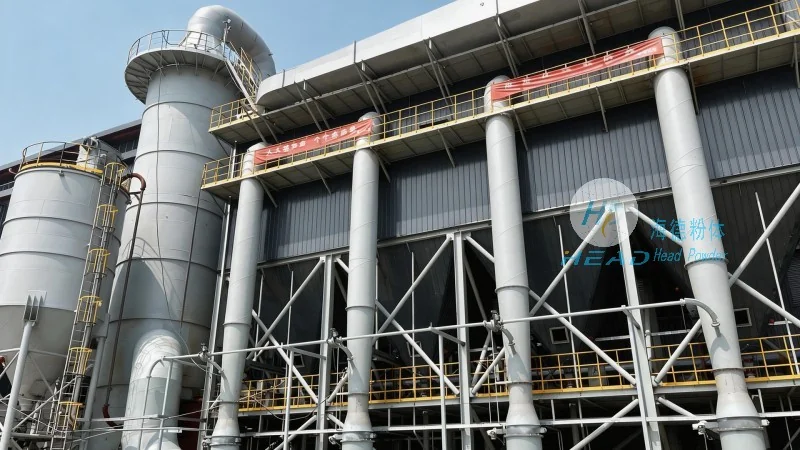
System Overview and Core Components
The pneumatic conveying system for high-quality sorghum distiller's grains consists of several key components that work in concert to achieve effective material transport. These include a material hopper for initial storage, a rotary valve or feeder to control the flow rate, a conveying pipeline network, a positive or negative pressure system (depending on the design), and a dust collection or filtration unit. Each component is engineered to withstand the abrasive and moisture content of the sorghum distiller's grains, ensuring long-term durability and low maintenance costs.

Working Principle of the Pneumatic Conveying Process
The operation of the system begins with the material being loaded into the hopper. The rotary valve or feeder then regulates the flow of sorghum distiller's grains into the conveying pipeline. Depending on the system configuration, either positive pressure (where air is blown into the pipeline to push the material) or negative pressure (where air is drawn out to pull the material) is applied. In the positive pressure system, a blower or air compressor generates the necessary airflow, which is directed through the pipeline and into the material stream, creating a mixture of air and material particles. This mixture travels through the pipeline to the destination point, such as a storage silo or processing unit. The material is then separated from the air using a cyclone separator or other filtration equipment, with the air being recirculated back to the system to conserve energy. The separated material is collected in the receiving hopper, ready for further use.
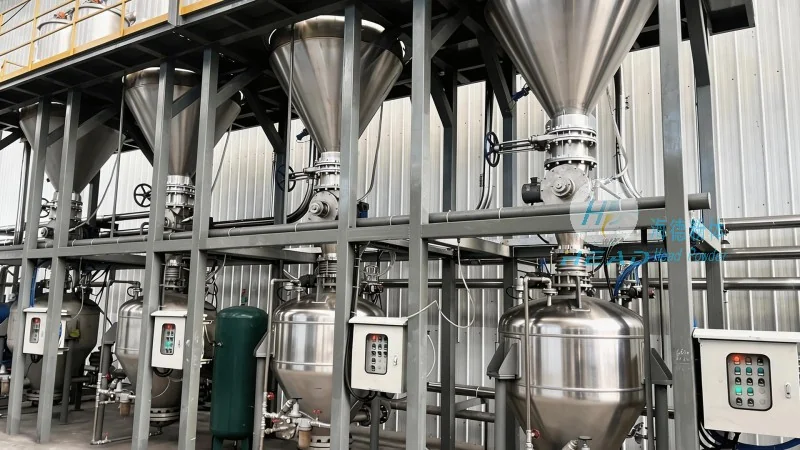
Operation Process: Step-by-Step Execution
The pneumatic conveying system operates in a continuous or intermittent mode, depending on the production requirements. The process starts with the material being fed from the source hopper into the system. The feeder controls the flow rate to match the demand at the receiving end, preventing overloading or underflow. The air pressure is adjusted to maintain a consistent conveying velocity, which is critical for preventing material deposition or blockages in the pipeline. During operation, the system monitors key parameters such as pressure, flow rate, and temperature to ensure optimal performance. Any deviations are automatically corrected by the control system, which adjusts the air supply or feeder speed as needed. The system also includes safety features, such as pressure relief valves and emergency shut-off mechanisms, to protect against overpressure or other operational hazards.
Advantages and Benefits of the System
Shandong HeadPowder Engineering Co., Ltd.'s pneumatic conveying system for high-quality sorghum distiller's grains offers several advantages over traditional mechanical conveying methods. First, it eliminates the need for moving parts in the conveying line, reducing wear and tear and maintenance costs. Second, the system is highly flexible, allowing for changes in material flow rates and destinations without major modifications. Third, it provides a hygienic and dust-free environment, which is essential for food and beverage applications where contamination must be minimized. Fourth, the system is energy-efficient, as the air can be recirculated and reused, reducing energy consumption compared to systems that require continuous air replacement. Finally, the system is scalable, making it suitable for both small-scale and large-scale production facilities, with the ability to handle varying material volumes and types.
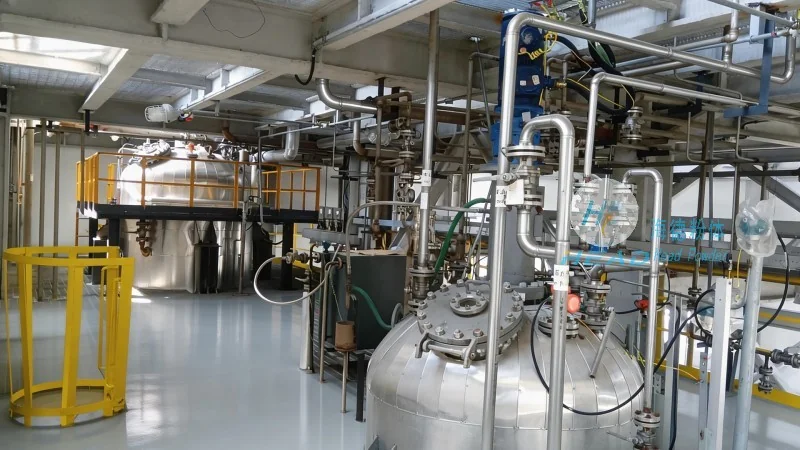
Application and Industry Impact
The pneumatic conveying system is widely used in the distillation industry, particularly for transporting high-quality sorghum distiller's grains from the distillation plant to storage silos or to other processing units. The system's efficiency and reliability ensure that the material is delivered in a timely manner, supporting the smooth operation of the production line. By reducing material handling time and labor costs, the system enhances overall productivity and profitability for distilleries. Additionally, the system's ability to maintain material quality during transport minimizes losses and improves the final product's quality, which is critical for meeting market standards and customer expectations.