

Operation Process and Working Principle of Gas-Pneumatic Conveying System for Calcium Carbide Dust R
Calcium carbide dust removal ash materials are a common byproduct in the production process of calcium carbide. These materials, if not handled properly, can cause environmental pollution and affect production efficiency. To solve this problem, gas-pneumatic conveying systems have been widely used. This article will introduce the operation process and working principle of such a system, and also provide an overview of the company, Shandong HeadPowder Engineering Co., Ltd., which specializes in the design and manufacturing of these systems.
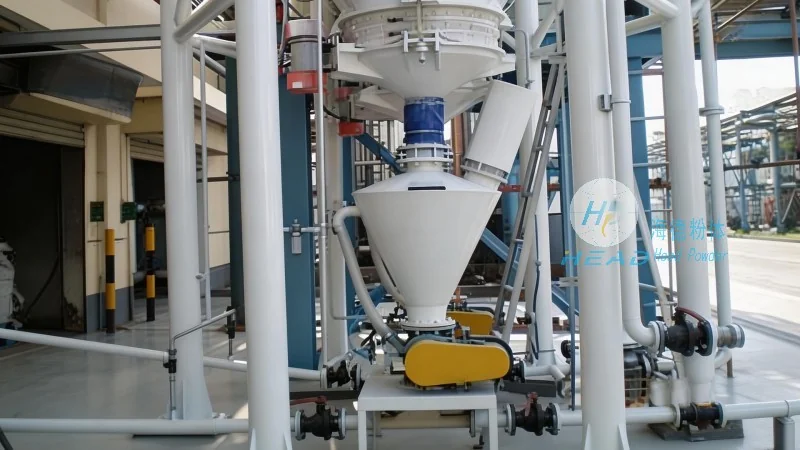
Overview of the Gas-Pneumatic Conveying System
The gas-pneumatic conveying system for calcium carbide dust removal ash materials is an efficient and reliable method for transporting bulk materials. It uses compressed air as the conveying medium to transport the ash materials from the dust removal equipment to the storage or processing facilities. The system typically consists of several key components, including a dust removal hopper, a conveying pipeline, a control valve, and a receiver. Each component plays a crucial role in ensuring the smooth operation of the system.
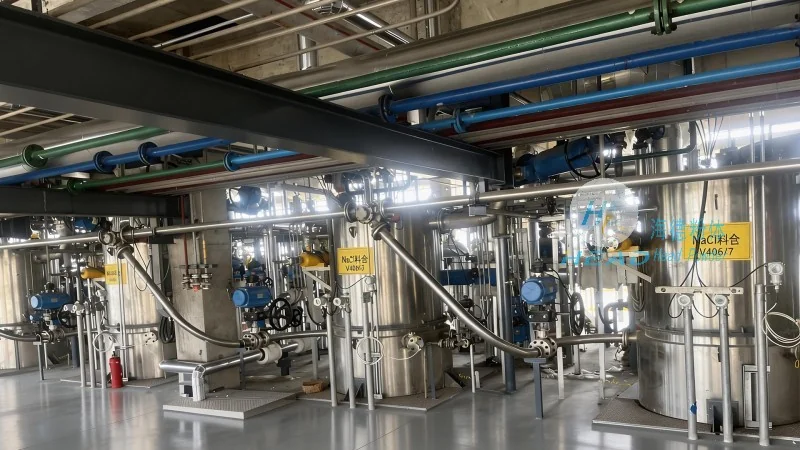
Working Principle of the System
The working principle of the gas-pneumatic conveying system is based on the principle of fluidization and pneumatic transport. When compressed air is introduced into the conveying pipeline, it creates a low-pressure zone that draws the ash materials from the dust removal hopper into the pipeline. The air and ash materials are then mixed and transported to the receiver. The control valve is used to regulate the air pressure and flow rate to maintain the desired conveying speed. The receiver is designed to collect the ash materials and separate them from the air, which is then discharged to the atmosphere or recycled.
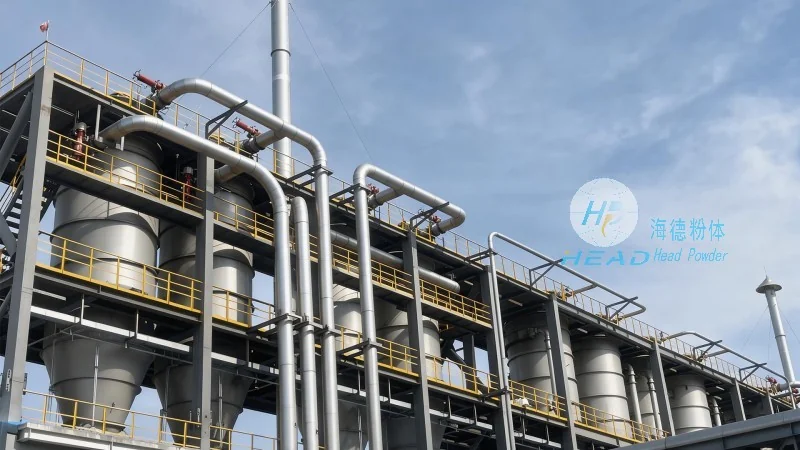
Operation Process of the System
The operation process of the gas-pneumatic conveying system for calcium carbide dust removal ash materials can be divided into several steps. First, the ash materials are collected from the dust removal equipment and fed into the dust removal hopper. Then, the compressed air is turned on and the conveying process starts. The control valve adjusts the air pressure and flow rate to maintain the desired conveying speed. The ash materials are transported through the pipeline to the receiver, where they are collected and stored. Finally, the system is shut down and the air is discharged from the pipeline.
Advantages of the System
Compared with traditional conveying methods, such as belt conveyors or bucket elevators, the gas-pneumatic conveying system has several advantages. First, it is more efficient in terms of energy consumption, as it uses compressed air to transport the materials, which is more energy-efficient than mechanical conveyors. Second, it is more flexible in terms of layout, as the pipeline can be installed in various configurations to suit the production site. Third, it is more reliable in terms of operation, as it is less prone to blockages and breakdowns compared with mechanical conveyors. Fourth, it is more environmentally friendly, as it reduces dust emissions and noise pollution.

About Shandong HeadPowder Engineering Co., Ltd.
Shandong HeadPowder Engineering Co., Ltd. is a professional manufacturer and supplier of gas-pneumatic conveying systems and other powder handling equipment. The company is located in Shandong, China, and has a team of experienced engineers and technicians who specialize in the design and manufacturing of these systems. The company has been in business for many years and has provided high-quality products and services to customers in various industries, including chemical, pharmaceutical, and food processing. The company's products are known for their high efficiency, reliability, and durability, and have been widely used in various applications.