

Operation Process and Working Principle of Phosphorus Pentoxide Material Pneumatic Conveying System
Shandong HeadPowder Engineering Co., Ltd., a leading provider in the field, specializes in the design, manufacturing, and implementation of advanced pneumatic conveying systems tailored for handling phosphorus pentoxide (P₂O₅) materials. This article delves into the operational process and underlying principles of such systems, highlighting the technical aspects and practical applications that ensure efficient material transport while maintaining safety and reliability.
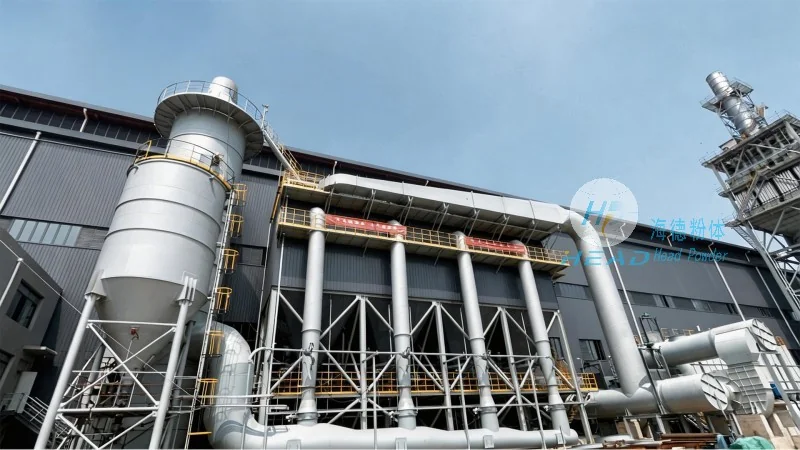
Understanding the Core Components of a Pneumatic Conveying System
A pneumatic conveying system for phosphorus pentoxide typically consists of several critical components that work in tandem to achieve seamless material transfer. These include a hopper or feeder to store and meter the material, a conveying line (usually made of stainless steel or other corrosion-resistant materials to withstand the chemical properties of P₂O₅), a blower or compressor to generate the necessary air pressure, and a receiver or discharge unit to collect the material at the destination. The choice of materials for these components is crucial, as phosphorus pentoxide is a highly hygroscopic and reactive substance that can cause corrosion or degrade equipment if not handled with appropriate materials like stainless steel or special alloys.
The Working Principle: How the System Transports Phosphorus Pentoxide
The fundamental principle of pneumatic conveying involves the use of air to move the solid material through a pipeline. In the case of phosphorus pentoxide, the system operates on either positive or negative pressure, depending on the specific application and material characteristics. Positive pressure systems force air and material through the line, while negative pressure systems create a vacuum to draw the material into the line. The process begins with the material being fed from the hopper into the conveying line, where it is mixed with the air stream. The air velocity is carefully controlled to ensure that the material particles are suspended and transported without clogging or degradation. The system's design ensures that the air-to-material ratio is optimized to maintain a stable flow, preventing issues such as blockages or material degradation due to excessive air velocity or insufficient air flow.
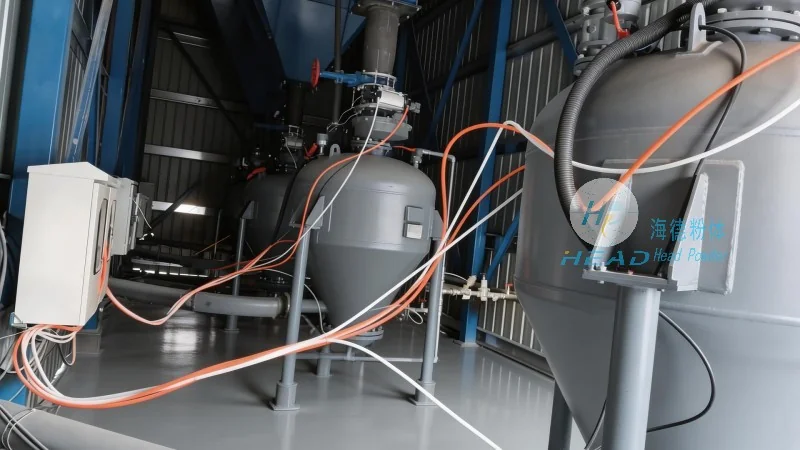
Operational Process: Step-by-Step Execution of the Pneumatic Conveying System
The operational process of a phosphorus pentoxide pneumatic conveying system involves several key steps that ensure smooth and efficient material transfer. First, the material is loaded into the hopper, where it is stored and prepared for transport. The feeder then meters the material at a controlled rate, ensuring a consistent flow into the conveying line. Simultaneously, the blower or compressor generates the required air pressure, which is introduced into the line to create the air stream. As the material is fed into the line, it is carried by the air and transported to the receiver. The receiver is designed to collect the material and separate it from the air, often using cyclone separators or filters to ensure that the material is discharged cleanly and the air is returned to the system or vented safely. Throughout the process, the system monitors parameters such as air pressure, flow rate, and material level to maintain optimal performance and prevent any operational issues. Regular maintenance and checks are also performed to ensure that all components are functioning correctly and that the system remains in good working condition.
Key Advantages of Using Pneumatic Conveying for Phosphorus Pentoxide
Implementing a pneumatic conveying system for phosphorus pentoxide offers several advantages over traditional methods like belt conveyors or bucket elevators. These systems provide a closed-loop transport, which minimizes dust emissions and exposure to the material, enhancing safety for operators and reducing environmental impact. The enclosed system also prevents contamination from external sources and maintains the purity of the phosphorus pentoxide, which is critical for its intended applications. Additionally, pneumatic conveying systems are highly flexible and can be easily integrated into existing production lines or expanded to accommodate increased material handling requirements. The ability to transport materials over long distances without the need for multiple transfer points or intermediate storage also improves overall efficiency and reduces downtime. Furthermore, the system's design allows for precise control over the material flow rate and pressure, ensuring consistent product quality and minimizing waste.
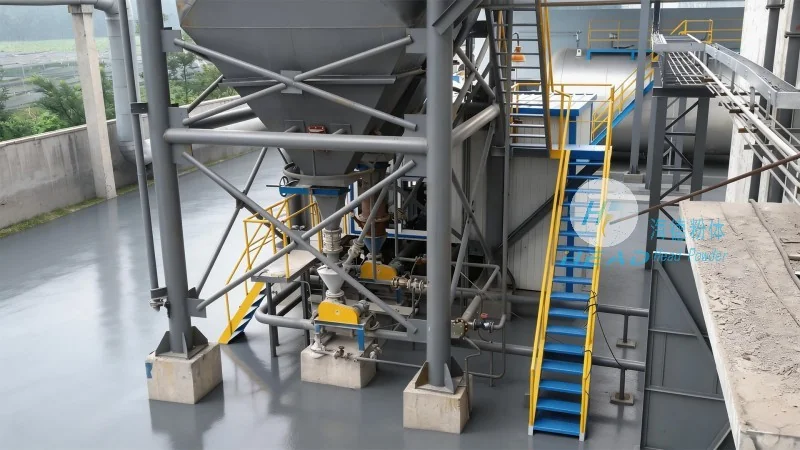
Applications and Industries Served by Phosphorus Pentoxide Pneumatic Conveying Systems
The applications of phosphorus pentoxide pneumatic conveying systems span various industries where this chemical is used, including the fertilizer industry, where it serves as a key component in phosphorus-based fertilizers, and the chemical industry, where it is used in the production of other phosphorus compounds. In the fertilizer sector, the system is used to transport phosphorus pentoxide from storage facilities to production lines, where it is combined with other raw materials to form fertilizers. The chemical industry utilizes the system for the production of phosphoric acid, which is a precursor to many other chemical products. Other applications include the food industry, where phosphorus pentoxide is used as a food additive, and the pharmaceutical industry, where it is used in the formulation of certain medications. The versatility of the pneumatic conveying system makes it suitable for these diverse applications, as it can be adapted to handle different material characteristics and flow rates as required by each industry.
Conclusion: The Role of Shandong HeadPowder Engineering Co., Ltd. in Pneumatic Conveying Solutions
Shandong HeadPowder Engineering Co., Ltd. plays a pivotal role in providing advanced pneumatic conveying solutions for phosphorus pentoxide materials. By leveraging their expertise in material handling and engineering, the company designs and implements systems that meet the specific needs of their clients, ensuring efficient, safe, and reliable transport of phosphorus pentoxide. The operational process and working principles discussed in this article highlight the technical sophistication and practical benefits of such systems, which are essential for industries relying on phosphorus pentoxide. As the demand for efficient material handling solutions continues to grow, companies like Shandong HeadPowder Engineering Co., Ltd. remain at the forefront of innovation, providing tailored solutions that enhance productivity and ensure compliance with safety and environmental standards.