

Operation Process and Working Principle of a Desulfurization Sodium Bicarbonate Material Pneumatic C
For industrial applications involving desulfurization processes, the efficient handling and transportation of sodium bicarbonate materials are critical to maintaining operational efficiency and ensuring consistent product quality. The pneumatic conveying system designed for this purpose by Shandong HeadPowder Engineering Co., Ltd. (hereinafter referred to as HeadPowder) represents a sophisticated solution that integrates advanced engineering principles with practical operational considerations. This system is specifically tailored to handle sodium bicarbonate, a key component in flue gas desulfurization (FGD) systems, ensuring that material transport is performed with minimal loss, reduced downtime, and enhanced safety.
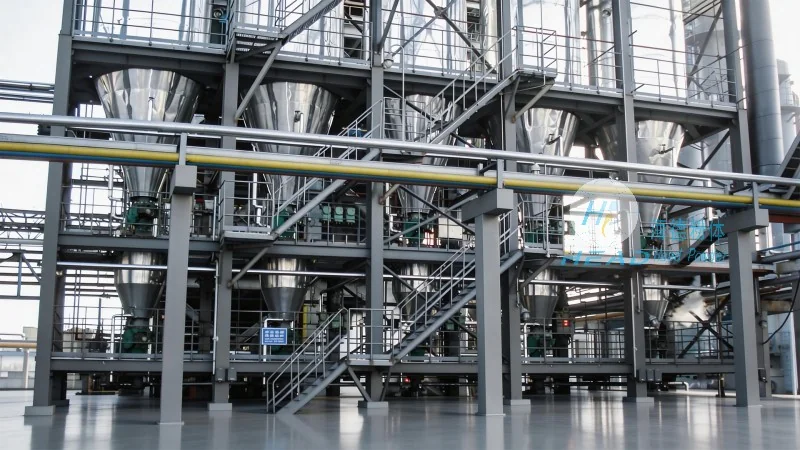
System Overview and Core Components
The pneumatic conveying system for desulfurization sodium bicarbonate materials consists of several interconnected components that work in tandem to achieve reliable material transport. The primary components include a material hopper, a rotary airlock feeder, a positive displacement blower or air compressor, a conveying pipeline, and a receiver or discharge unit. Each component is carefully selected and configured to meet the specific requirements of sodium bicarbonate handling, which includes considerations such as material flowability, particle size, and the need for low dust generation.
Working Principle of the Pneumatic Conveying System
The fundamental principle of pneumatic conveying is the use of air or gas to transport solid materials through a pipeline. In the case of the desulfurization sodium bicarbonate system, the process begins with the material being fed from the hopper into the rotary airlock feeder. This feeder regulates the flow of sodium bicarbonate into the conveying pipeline, preventing blockages and ensuring a steady supply of material. The feeder is connected to a positive displacement blower, which generates the necessary air pressure to move the material through the pipeline. As the air and material mixture travels through the pipeline, the air velocity is maintained at a level sufficient to keep the sodium bicarbonate particles suspended, preventing deposition and ensuring smooth transport. The receiver or discharge unit at the end of the pipeline collects the conveyed material, completing the transport cycle.
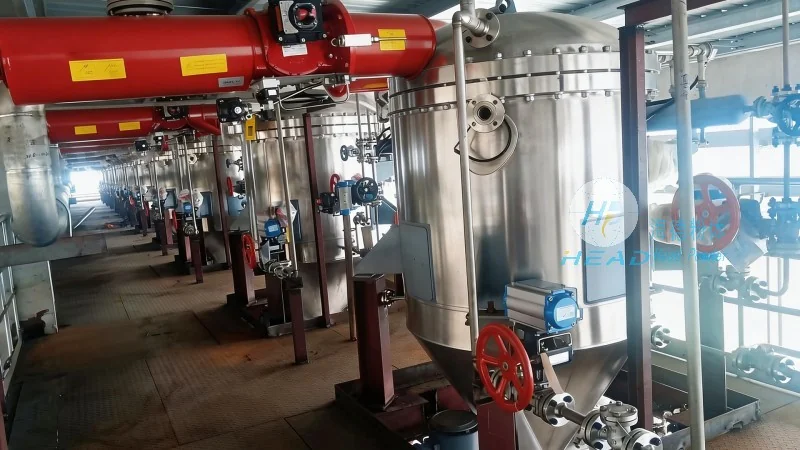
Operation Process: Step-by-Step Execution
The operation of the pneumatic conveying system for desulfurization sodium bicarbonate materials follows a systematic sequence that ensures consistent performance. The process begins with the preparation of the system, which involves checking the air supply, verifying the condition of the hopper and feeder, and ensuring that the pipeline is clear of obstructions. Once the system is ready, the blower is started, and the air pressure is adjusted to the optimal level for conveying the material. The rotary airlock feeder then begins to feed sodium bicarbonate into the pipeline, and the material is transported to the receiver. The receiver is typically equipped with a dust collection system to capture any fine particles that may be present, ensuring that the material is delivered in a clean and dry state. The system continues to operate until the desired amount of material has been transported, at which point the feeder is stopped, the blower is turned off, and the system is prepared for the next cycle.
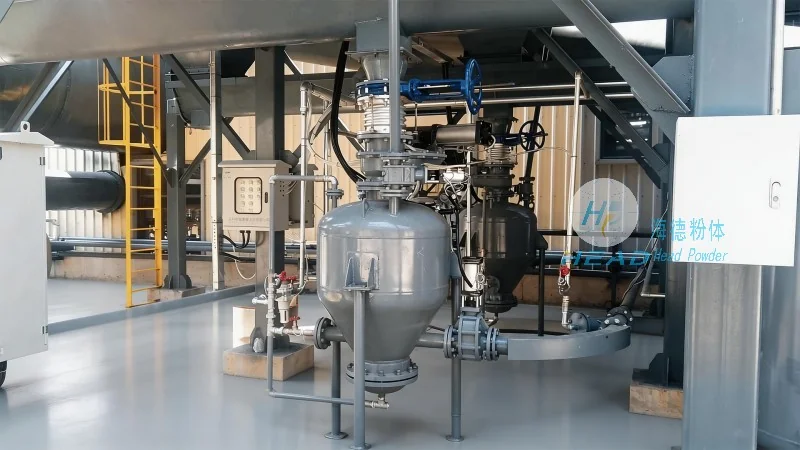
Key Advantages and Benefits
The pneumatic conveying system for desulfurization sodium bicarbonate materials offers several advantages that make it an attractive solution for industrial applications. One of the primary benefits is the ability to transport material over long distances without the need for intermediate storage or transfer points, which reduces the risk of material degradation and contamination. The system also minimizes the risk of dust exposure, as the material is contained within the pipeline and the receiver, protecting both personnel and the environment. Additionally, the system is highly flexible, allowing for adjustments to the conveying rate and distance as needed, which enhances operational adaptability. The use of positive displacement blowers ensures consistent air pressure, leading to reliable and predictable material transport, which is essential for maintaining the efficiency of desulfurization processes.
Application and Integration in Desulfurization Systems
The pneumatic conveying system is an integral part of modern flue gas desulfurization (FGD) systems, where sodium bicarbonate is used as a reagent to neutralize sulfur dioxide in flue gases. The system ensures that the sodium bicarbonate is delivered to the FGD reactor in a controlled and consistent manner, which is critical for maintaining the chemical balance and efficiency of the desulfurization process. By providing a reliable method of material transport, the system helps to reduce downtime and maintenance costs, as well as improve the overall performance of the FGD system. The system is also designed to be compatible with existing infrastructure, allowing for easy integration into existing industrial facilities without the need for extensive modifications.