

Operation Process and Working Principle of Dense Phase Pneumatic Conveying Equipment for Bulk Materi
Shandong HeadPowder Engineering Co., Ltd., based in Shandong, China, specializes in the design and manufacturing of advanced dense phase pneumatic conveying systems. These systems are engineered to efficiently transport bulk materials with high solid concentration, ensuring reliable and low-loss material handling in various industrial applications. The company focuses on providing customized solutions tailored to specific operational needs, enhancing performance and durability in demanding environments.
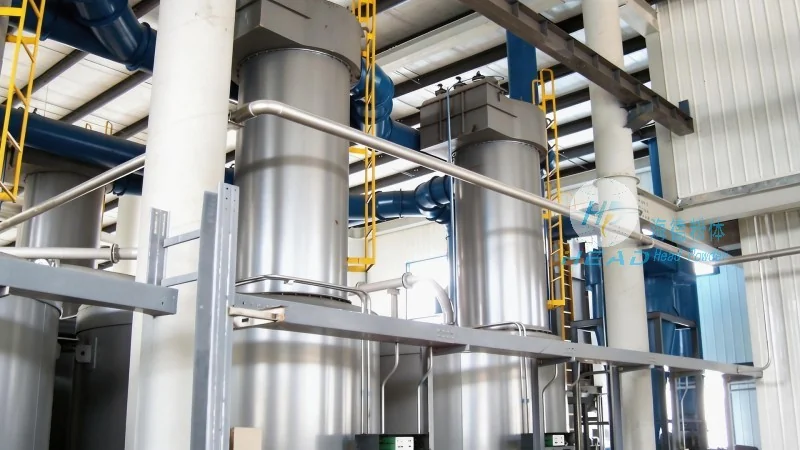
Working Principle of Dense Phase Pneumatic Conveying
The core of dense phase pneumatic conveying lies in the controlled movement of a high-concentration mixture of solid particles and air. Unlike dilute phase systems that rely on low solid concentrations and high air velocities, dense phase systems operate at higher solid-to-gas ratios, typically ranging from 0.5 to 0.8. This approach allows for more stable and efficient material transport, as the solid particles remain suspended in the air stream without significant separation or degradation. The process begins with the feeding of bulk material into the conveying line, where it is mixed with a controlled volume of air under pressure. This mixture then travels through the pipeline, maintaining a dense, slurry-like state that minimizes friction losses and particle attrition.
Operation Process of Dense Phase Pneumatic Conveying Equipment
The operation of dense phase pneumatic conveying equipment involves several key steps that ensure smooth and continuous material transfer. First, the bulk material is fed into the system, often through a hopper or feeder, where it is introduced into the conveying line. Simultaneously, a controlled amount of air is supplied under pressure, creating a dense mixture of solids and gas. The mixture then moves through the pipeline, with the pressure maintained at a level sufficient to overcome friction losses and elevation changes. At the receiving end, the material is separated from the air, typically through a separator or cyclone, and collected in a storage bin or processing unit. The air, now clean and free of solid particles, is either recirculated or vented to the atmosphere, depending on the system design.
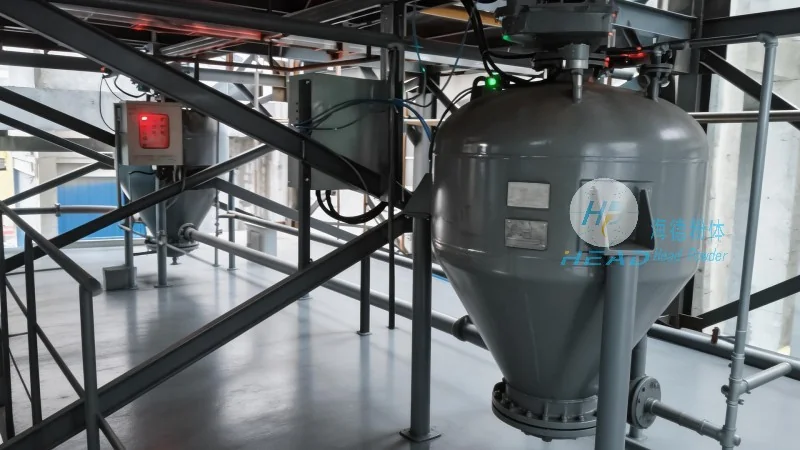
Key Components and Their Functions
Dense phase pneumatic conveying systems consist of several critical components, each playing a vital role in the overall operation. The primary components include the feeder, which controls the material feed rate; the air compressor or blower, which supplies the necessary pressure and volume of air; the conveying line, which transports the material mixture; the separator, which separates the solid material from the air at the receiving end; and the storage or processing equipment, which receives the conveyed material. Each component is designed to work in harmony, ensuring the system operates efficiently and reliably under various conditions.
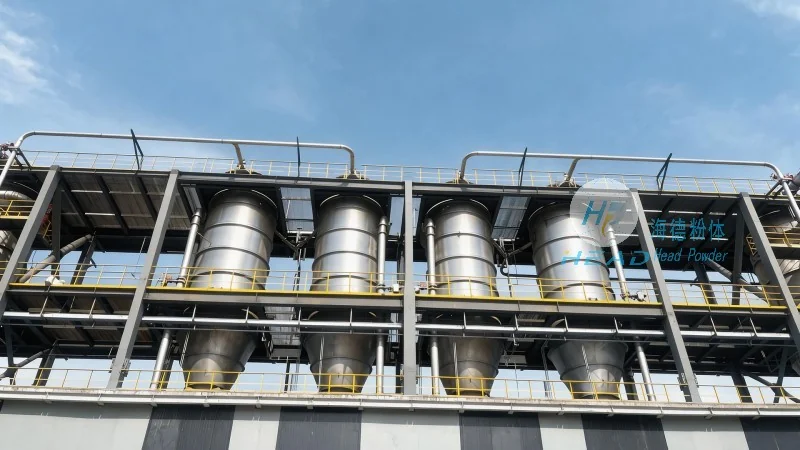
Advantages and Applications
Dense phase pneumatic conveying offers numerous advantages that make it suitable for a wide range of applications. These include reduced material degradation due to lower air velocities, lower energy consumption compared to high-velocity systems, and the ability to handle abrasive, fragile, or heat-sensitive materials without damage. The system also provides better control over material flow, minimizing spillage and dust generation, which enhances workplace safety and environmental compliance. Additionally, dense phase systems can transport materials over long distances with minimal pressure drops, making them ideal for applications requiring extended conveying lengths, such as in chemical, food, and pharmaceutical industries.
Maintenance and Operational Considerations
Proper maintenance and operational considerations are essential to ensure the long-term performance and reliability of dense phase pneumatic conveying equipment. Regular inspection and cleaning of the conveying line, separator, and other components are necessary to prevent blockages and maintain efficient operation. The air compressor or blower should be checked for proper pressure and air volume to ensure consistent material transport. Additionally, monitoring the solid-to-gas ratio and pressure levels during operation helps identify any issues early, allowing for timely adjustments or repairs. By adhering to recommended maintenance schedules and operational guidelines, users can maximize the lifespan and efficiency of their dense phase pneumatic conveying systems.