

Amino Acetic Acid Material Pneumatic Conveying System Operation Process and Working Principle
For industries dealing with amino acetic acid, efficient material handling is crucial for maintaining production efficiency and safety. The pneumatic conveying system is a key solution that ensures seamless transport of this chemical, offering a reliable method to move the material from storage to processing units. This article delves into the operation process and working principle of such a system, highlighting its components, operational flow, and the technical aspects that make it effective for amino acetic acid handling.
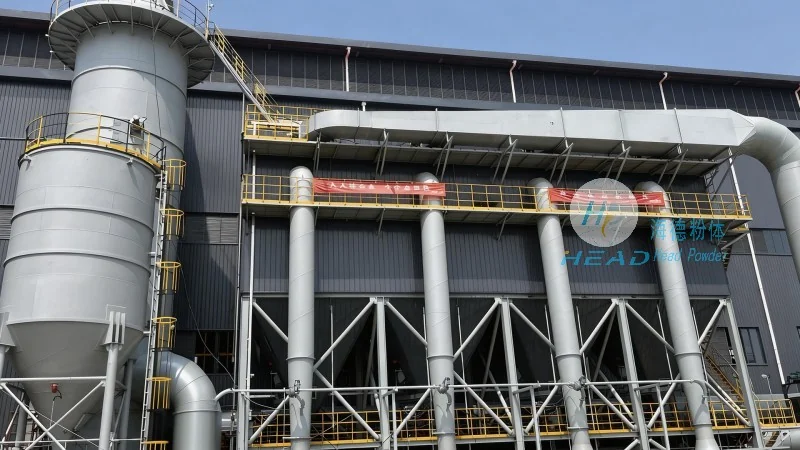
Introduction to Amino Acetic Acid Pneumatic Conveying Systems
Amino acetic acid, commonly known as glycine, is an important organic compound used in various industrial applications, including pharmaceuticals, food additives, and chemical synthesis. Handling this material requires specialized equipment due to its properties, such as hygroscopic nature and potential reactivity. Pneumatic conveying systems provide an enclosed, dust-free environment that minimizes contamination and ensures safe transport. The system typically consists of a series of components designed to generate airflow, control material flow, and maintain system pressure, all tailored to the specific characteristics of amino acetic acid.
Key Components of the Pneumatic Conveying System
The pneumatic conveying system for amino acetic acid includes several critical components that work in tandem to achieve efficient material transport. These components are designed to handle the unique properties of the material, ensuring minimal degradation and maximum efficiency. The main components are as follows:
1. Feed Hopper: This is the initial component where the amino acetic acid is stored before being fed into the system. The hopper is equipped with a feeding mechanism, such as a rotary valve or a screw feeder, which controls the flow rate of the material into the system. The design of the hopper is crucial to prevent material bridging and ensure consistent feeding.
2. Pneumatic Conveying Line: This is the main pipeline through which the material is transported. The line is made of materials resistant to the chemical properties of amino acetic acid, such as stainless steel or specialized plastic, to prevent corrosion and material degradation. The line may include sections with different diameters and bends, which are designed to optimize airflow and minimize pressure loss.
3. Blower or Air Compressor: This component generates the necessary airflow to move the material through the conveying line. The choice of blower or compressor depends on the system's capacity and the material's characteristics. For amino acetic acid, a positive displacement blower is often used to maintain consistent pressure and airflow, ensuring smooth material transport.
4. Control Valves and Regulators: These components are used to control the pressure and flow rate within the system. They help maintain the optimal operating conditions, preventing overpressure or underpressure that could affect the material's quality or system performance. The control valves can be automated or manually operated, depending on the system's requirements.
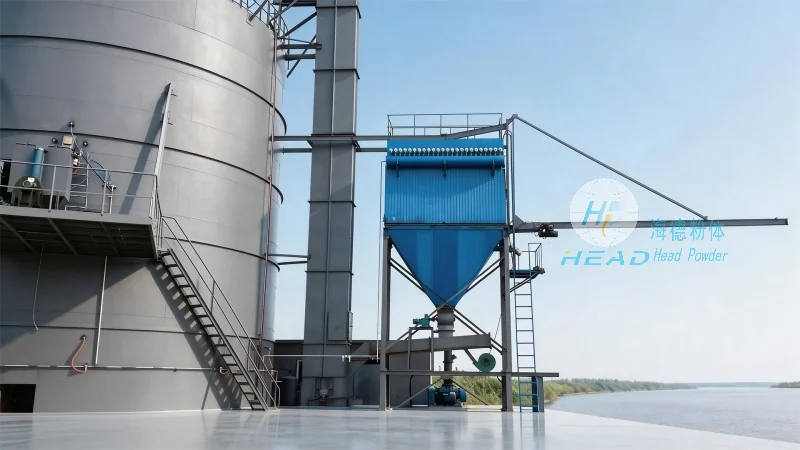
5. Receiver or Discharge Hopper: This is the final component where the amino acetic acid is collected after being transported through the system. The receiver is designed to handle the material's hygroscopic nature, often equipped with a drying or moisture control system to maintain the material's quality. The design of the receiver also includes a discharge mechanism, such as a rotary valve, to control the flow of material out of the system.
Operation Process of the Pneumatic Conveying System
The operation process of the amino acetic acid pneumatic conveying system involves several steps that ensure the material is transported efficiently and safely. The process starts with the material being fed from the storage hopper into the conveying line. The blower then generates the airflow, which lifts the material particles and carries them through the pipeline. The material is then discharged into the receiver hopper at the destination. The entire process is controlled by the system's control valves and regulators, which maintain the optimal pressure and flow rate.
During the operation, the system's pressure is monitored continuously to ensure it remains within the safe operating range. The airflow rate is adjusted based on the material's flow rate and the system's capacity. The feeding mechanism in the hopper is also controlled to maintain a consistent material level, preventing overfilling or underfilling that could affect the system's performance. The entire process is designed to minimize downtime and maximize throughput, ensuring that the amino acetic acid is transported efficiently from the storage to the processing units.
Working Principle of the Pneumatic Conveying System
The working principle of the pneumatic conveying system for amino acetic acid is based on the principle of fluidization and suspension of the material particles in the airflow. The system uses a combination of pressure and vacuum to move the material through the pipeline. The blower generates a high-pressure airflow that enters the conveying line, where it meets the material particles from the feed hopper. The airflow lifts the particles and carries them through the line, maintaining them in a suspended state. The particles are then discharged into the receiver hopper at the end of the line.
The system operates under either positive pressure or negative pressure, depending on the application. In positive pressure systems, the blower supplies air to the conveying line, creating a pressure higher than the ambient air. This pressure pushes the material through the line. In negative pressure systems, the blower creates a vacuum in the line, drawing the material from the feed hopper into the line. For amino acetic acid, a positive pressure system is often preferred as it provides better control over the material flow and reduces the risk of contamination.
The efficiency of the system depends on several factors, including the airflow rate, the material's particle size, and the system's design. The particle size of amino acetic acid is typically fine, which affects the system's pressure drop and airflow requirements. The system is designed to handle these fine particles by optimizing the pipeline diameter and the airflow velocity. The control valves and regulators play a crucial role in maintaining the optimal conditions, ensuring that the material is transported without clogging or degradation.
Benefits and Applications of the Pneumatic Conveying System
The pneumatic conveying system for amino acetic acid offers several benefits that make it an ideal solution for material handling in various industries. These benefits include:
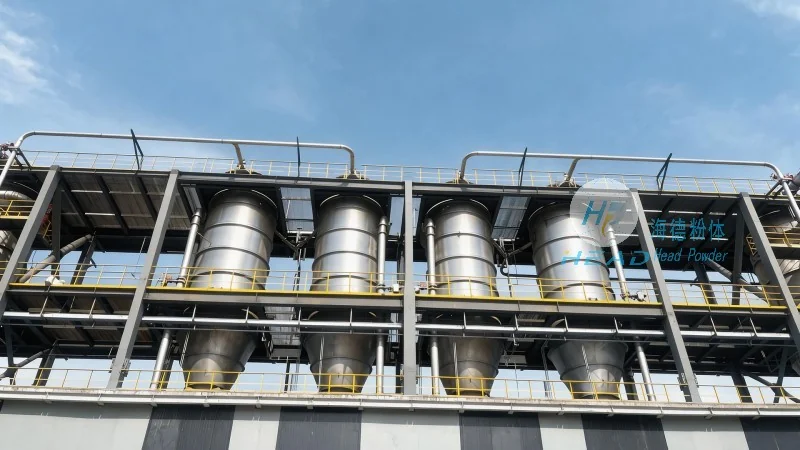
1. Efficient and Continuous Transport: The system allows for continuous and efficient transport of amino acetic acid, reducing the need for manual handling and minimizing downtime. This improves overall production efficiency and reduces labor costs.
2. Enclosed and Dust-Free Environment: The system operates in an enclosed environment, preventing dust and particles from being released into the air. This reduces the risk of contamination and improves workplace safety.
3. Minimized Material Degradation: The system's design minimizes the risk of material degradation due to friction or exposure to air. This ensures that the quality of amino acetic acid is maintained throughout the transport process.
4. Flexible and Scalable: The system can be designed to handle different capacities and material types, making it flexible and scalable to meet the changing needs of the industry. It can be easily integrated with existing production lines and expanded as required.
These benefits make the pneumatic conveying system suitable for various applications, including pharmaceutical manufacturing, food processing, and chemical synthesis. The system is particularly useful in industries where the material needs to be transported over long distances or through multiple processing units.
Conclusion
The pneumatic conveying system for amino acetic acid is a reliable and efficient solution for material handling in various industries. It offers a seamless and safe method to transport the material from storage to processing units, ensuring minimal contamination and maximum efficiency. The system's components, operation process, and working principle are designed to handle the unique properties of amino acetic acid, making it an ideal choice for industries dealing with this chemical. With proper maintenance and operation, the system can provide long-term benefits and improve overall production performance.