

Operation Process and Working Principle of Silicate Material Pneumatic Conveying Systems
For industrial applications involving the handling of silicate materials, efficient and reliable material transport is crucial. The pneumatic conveying system developed by Shandong HeadPowder Engineering Co., Ltd. (headpowder) offers a sophisticated solution to meet these demands. This article explores the operation process and working principle of such systems, highlighting key components, operational steps, and the technical advantages that make them ideal for the silicate industry.
Introduction to Silicate Material Pneumatic Conveying Systems
Silicate materials, including powders and granules used in ceramics, glass, and construction industries, require specialized handling due to their properties like dustiness, abrasiveness, and varying particle sizes. Traditional methods like belt conveyors or bucket elevators may struggle with these characteristics, leading to material degradation, high maintenance costs, and operational inefficiencies. Pneumatic conveying systems provide a closed-loop, dust-free solution that addresses these challenges effectively. HeadPowder's systems are engineered to handle a wide range of silicate materials, ensuring consistent performance and minimal environmental impact.
Core Components and System Architecture
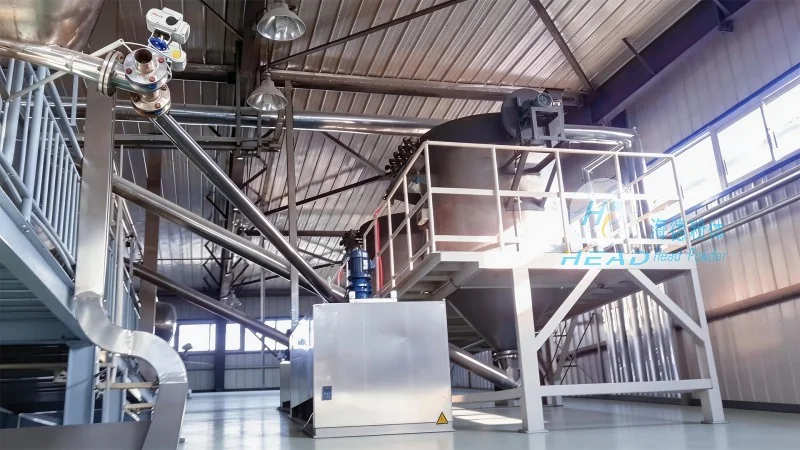
The pneumatic conveying system for silicate materials consists of several critical components that work in tandem to achieve efficient material transport. The primary components include a material feeder, a conveying pipeline, a pressure or vacuum source, a separation unit, and a discharge mechanism. The material feeder, often a rotary valve or a screw feeder, ensures a controlled and continuous supply of silicate material into the system. The conveying pipeline, typically made of stainless steel or other corrosion-resistant materials, is designed to withstand the abrasive nature of silicate powders. The pressure or vacuum source, such as a blower or a vacuum pump, generates the necessary airflow to move the material through the pipeline. The separation unit, which may be a cyclone or a bag filter, separates the material from the air stream at the end of the conveying process. Finally, the discharge mechanism, such as a rotary valve or a gate valve, releases the material at the destination point.
Operation Process of the Pneumatic Conveying System
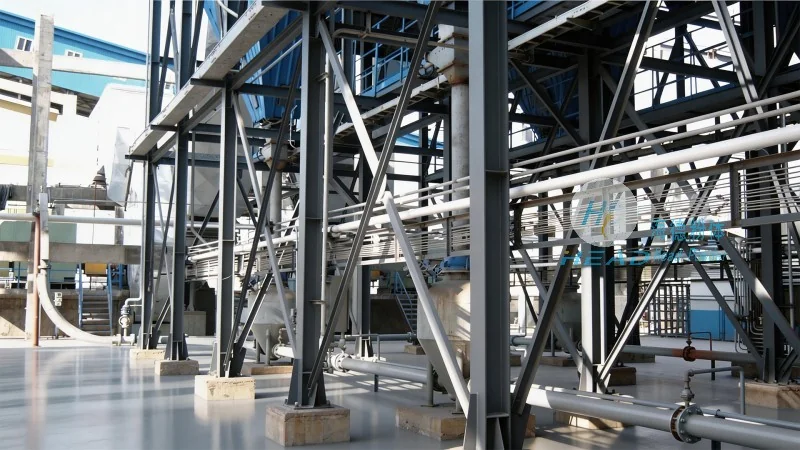
The operation of the silicate material pneumatic conveying system follows a systematic sequence of steps. Initially, the silicate material is fed into the material feeder at a controlled rate. The feeder then transfers the material into the conveying pipeline. Simultaneously, the pressure source (e.g., a positive pressure blower) generates a high-velocity air stream that travels through the pipeline. As the air and material mixture moves through the pipeline, the material is suspended and carried to the destination point. Upon reaching the end of the pipeline, the mixture enters the separation unit. Here, the air and material are separated; the air is discharged to the atmosphere or recirculated, while the silicate material is collected in a hopper or storage bin. The discharge mechanism then releases the material as needed for further processing or packaging. This process is typically automated, with sensors and control systems monitoring flow rates, pressure, and material levels to ensure optimal performance.
Working Principle of the System
The working principle of the pneumatic conveying system for silicate materials is based on the interaction between the material particles and the air stream. In a positive pressure system, a blower supplies compressed air that creates a pressure differential, propelling the material forward. The air velocity is maintained above the material's terminal velocity to keep the particles suspended and prevent settling. In a negative pressure system, a vacuum pump creates a low-pressure environment that draws the material into the pipeline. The air flow in both systems is carefully controlled to ensure efficient transport while minimizing energy consumption. The system's design, including the diameter and length of the pipeline, the type of feeder, and the separation unit, is optimized to balance material transport efficiency with energy efficiency. This principle allows for the reliable and continuous transport of silicate materials over long distances and varying elevations.
Advantages and Applications in Silicate Industry
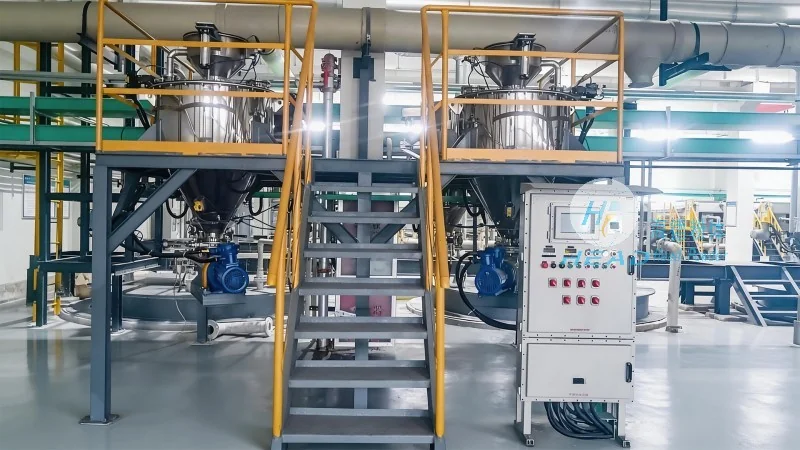
HeadPowder's pneumatic conveying systems offer several advantages that make them highly suitable for the silicate industry. These include dust-free operation, which reduces health hazards and environmental pollution, and the ability to handle abrasive materials without causing wear and tear on equipment. The closed-loop system also minimizes material loss and contamination, ensuring product quality. Additionally, the systems are flexible and can be customized to handle different material types, particle sizes, and processing requirements. In the ceramics industry, these systems are used for transporting clay, feldspar, and other raw materials to production lines. In the glass industry, they transport sand, soda ash, and limestone to furnaces. In construction, they handle cement and other building materials, contributing to efficient material handling in various applications.
Technical Specifications and Customization Options
HeadPowder provides a range of technical specifications and customization options to meet the diverse needs of clients in the silicate industry. The systems can be designed for both positive and negative pressure operations, with air flow rates ranging from low to high, depending on the material and distance. The pipeline diameter can be adjusted from small (e.g., 50mm) to large (e.g., 300mm) to accommodate different material volumes. The material feeder can be customized to handle various feed rates, from low (e.g., 0.5 ton/h) to high (e.g., 50 ton/h). The separation unit can be a single or multi-stage cyclone, or a bag filter, depending on the required efficiency and material characteristics. Additionally, the system can be integrated with automation controls, such as PLC systems, to monitor and control key parameters like pressure, flow rate, and material level. Customization options also include the use of corrosion-resistant materials, such as stainless steel or PTFE-coated components, to handle aggressive silicate materials. These technical specifications and customization options ensure that the pneumatic conveying system is tailored to the specific requirements of each application, maximizing efficiency and performance.