

Operation Process and Working Principle of Rare Earth Ore Powder Pneumatic Conveying System
Rare earth ore powder, a critical component in modern industrial applications, requires specialized handling systems to ensure efficient and safe transport. The pneumatic conveying system, developed by Shandong HeadPowder Engineering Co., Ltd., represents a sophisticated solution tailored to the unique properties of rare earth powders. This system integrates advanced engineering principles to manage the challenges associated with fine powder transport, such as dust control, material flow consistency, and system reliability.
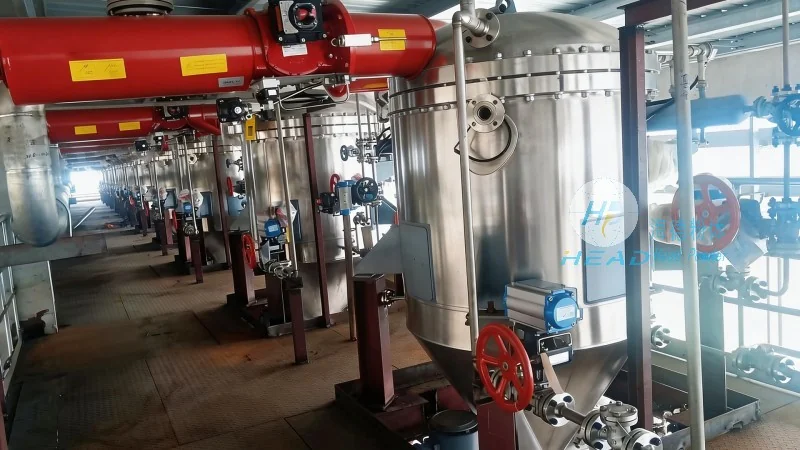
The Importance of Efficient Material Handling in Rare Earth Processing
Efficient material handling is paramount in the rare earth industry, where the purity and consistency of ore powders directly impact downstream processing and product quality. Traditional methods, such as manual handling or mechanical conveyors, often fall short in maintaining the integrity of rare earth powders, leading to contamination, loss, or operational inefficiencies. The pneumatic conveying system addresses these issues by providing a closed-loop, dust-free environment that minimizes material degradation and ensures uniform flow rates. This not only enhances product quality but also reduces operational costs by optimizing material throughput.
Core Components and Their Roles in the Pneumatic Conveying System
The pneumatic conveying system consists of several key components, each playing a vital role in the overall operation. The primary components include the material hopper, air compressor, conveying line, and discharge hopper. The material hopper is designed to store and feed the rare earth ore powder into the system, ensuring a consistent supply of material. The air compressor generates the necessary air pressure to move the powder through the conveying line, while the conveying line, typically made of stainless steel or other corrosion-resistant materials, transports the powder from the hopper to the discharge point. The discharge hopper collects the material at the end of the line, allowing for controlled release into the next processing stage. Each component is engineered to withstand the abrasive nature of rare earth powders and maintain system integrity over extended periods.
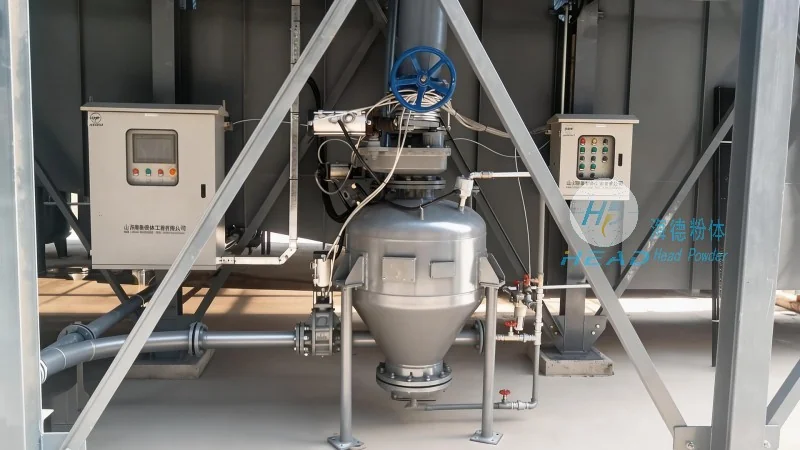
The Operation Process: From Material Loading to Discharge
The operation of the pneumatic conveying system follows a systematic process that ensures smooth and continuous material transport. The process begins with loading the rare earth ore powder into the material hopper. A feeder mechanism, such as a rotary valve or screw feeder, then controls the flow rate of the powder into the conveying line. Simultaneously, the air compressor starts, generating a high-pressure air stream that enters the conveying line. The air pressure forces the powder particles to move along the line, creating a dense phase flow. As the powder travels through the system, it passes through any necessary control valves or filters to maintain flow consistency. The discharge hopper at the end of the line collects the material, which can then be transferred to storage or further processing equipment. This process is automated to minimize human intervention, reducing the risk of errors and improving operational efficiency.
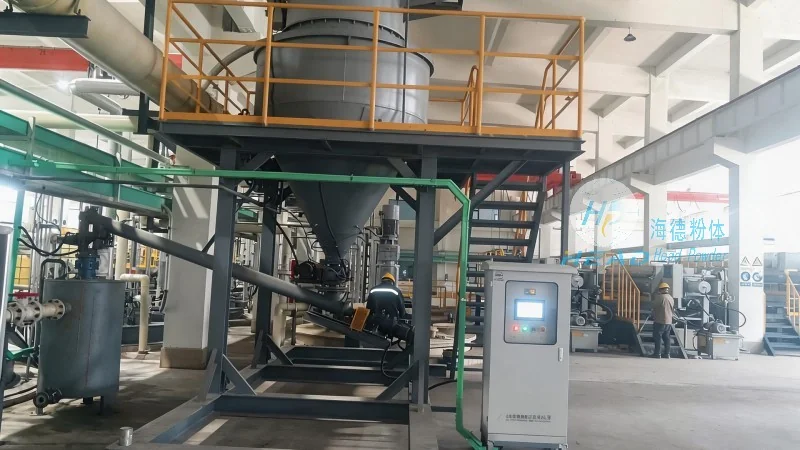
Working Principle: How Air Pressure and Flow Control the Material Transport
The working principle of the pneumatic conveying system relies on the interaction between air pressure and the material particles. The system operates on the principle of fluidization, where the air stream creates a suspension of powder particles in the conveying line. The air pressure is carefully controlled to maintain a stable flow rate, preventing issues such as clogging or material deposition. The velocity of the air stream is adjusted to match the particle size and density of the rare earth ore powder, ensuring that the particles remain suspended and move efficiently. The system also incorporates pressure sensors and flow meters to monitor real-time performance, allowing for immediate adjustments if deviations occur. This dynamic control ensures that the material is transported safely and reliably, even under varying load conditions.
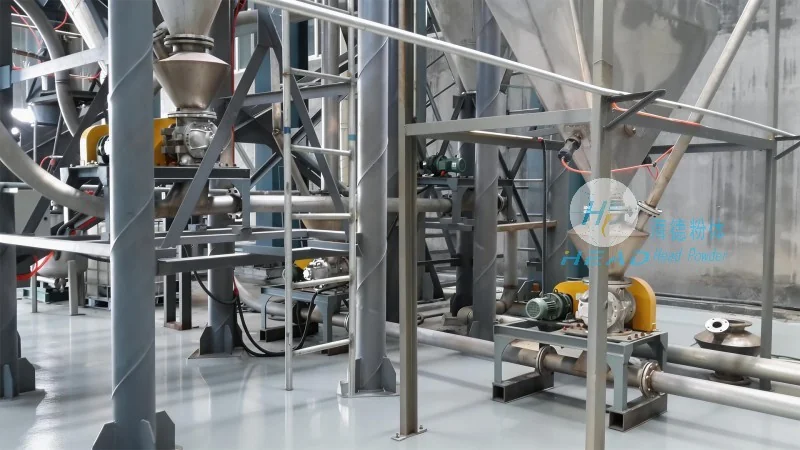
Technical Advantages and Applications in Rare Earth Processing
The pneumatic conveying system offers several technical advantages that make it ideal for rare earth ore powder handling. One of the key advantages is its ability to handle fine powders without causing agglomeration or loss of material. The closed-loop design minimizes dust emissions, improving workplace safety and environmental compliance. Additionally, the system provides high throughput rates, allowing for continuous operation and reduced downtime. These advantages are particularly beneficial in rare earth processing plants, where large volumes of ore powder need to be transported between processing stages. The system's flexibility also allows for integration with existing infrastructure, making it a cost-effective solution for upgrading or expanding material handling capabilities.
About Shandong HeadPowder Engineering Co., Ltd.
Shandong HeadPowder Engineering Co., Ltd., a leading provider of material handling solutions, specializes in designing and manufacturing pneumatic conveying systems tailored to the needs of the rare earth industry. With a focus on innovation and quality, the company has developed advanced systems that meet the stringent requirements of modern rare earth processing. The company's headquarters is located in Shandong, China, and it serves clients globally with customized solutions that enhance operational efficiency and product quality. By leveraging years of experience and expertise, Shandong HeadPowder Engineering Co., Ltd. continues to set industry standards in material handling technology.