

How to Design a Reasonable Polypropylene Pellet Pneumatic Conveying System Plan
When it comes to handling polypropylene pellets efficiently, a well-designed pneumatic conveying system is crucial for ensuring smooth operations and minimizing downtime. The process of designing such a system requires careful consideration of various factors, including material properties, system layout, and operational requirements. This article will explore the key elements involved in creating an effective polypropylene pellet pneumatic conveying system, with a focus on the expertise and solutions provided by Shandong HeadPowder Engineering Co., Ltd.
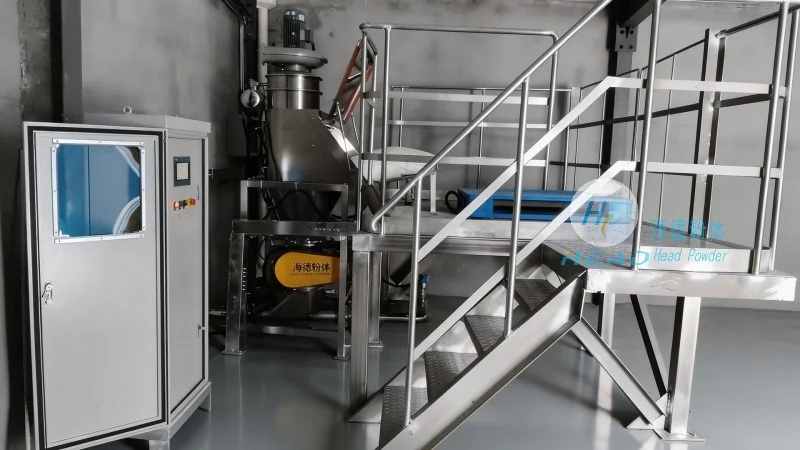
Understanding the Core Components of a Pneumatic Conveying System
A pneumatic conveying system for polypropylene pellets typically consists of several key components. These include the hopper or feeder, which holds the material and regulates its flow into the system. The conveyor itself, which can be either positive or negative pressure, is responsible for transporting the pellets through the pipeline. Additionally, the system may include a filter or separator to remove any fines or dust from the air stream, ensuring clean air is returned to the environment. Finally, the system requires a power source, such as a blower or compressor, to generate the necessary air pressure for conveying the material.
Key Design Considerations for Polypropylene Pellet Systems
Designing a pneumatic conveying system for polypropylene pellets involves several critical considerations. First, the material's bulk density and flow characteristics must be taken into account. Polypropylene pellets have a relatively low bulk density compared to other materials, which can affect the conveying velocity and pressure drop. Second, the system layout must be optimized to minimize the number of bends and changes in direction, as these can cause blockages or increased energy consumption. Third, the selection of the appropriate air velocity is essential to prevent material degradation or degradation of the system components. Finally, the system must be designed to handle the specific dust and air quality requirements, ensuring compliance with environmental regulations.
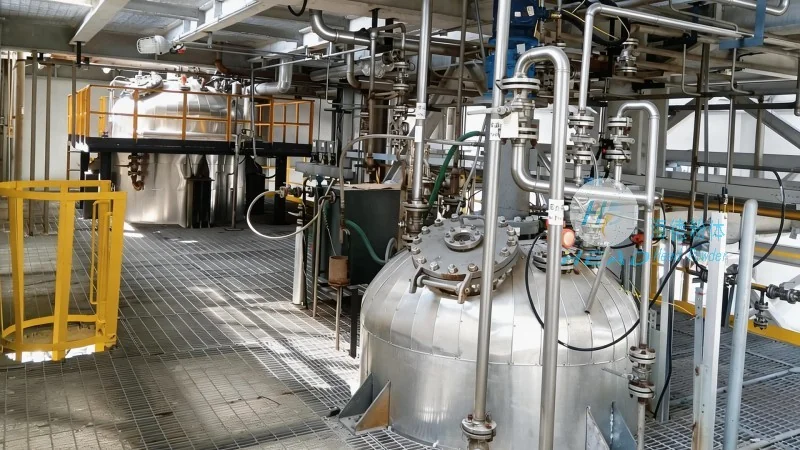
HeadPowder's Expertise in Pneumatic Conveying Solutions
Shandong HeadPowder Engineering Co., Ltd. specializes in providing comprehensive pneumatic conveying solutions tailored to the unique needs of polypropylene pellet applications. With years of experience in the industry, HeadPowder's team of engineers and technicians understands the challenges associated with handling polypropylene pellets and has developed innovative solutions to address them. The company's approach involves a thorough analysis of the client's specific requirements, including material characteristics, system capacity, and operational constraints. Based on this analysis, HeadPowder designs and manufactures custom pneumatic conveying systems that are optimized for efficiency, reliability, and cost-effectiveness.
Customization and Integration for Optimal Performance
One of the key advantages of working with HeadPowder is the ability to customize the pneumatic conveying system to meet the specific needs of each client. Whether it's a small-scale system for a laboratory or a large-scale system for an industrial plant, HeadPowder can design a solution that fits the space and budget constraints. The company also offers integration services to ensure that the new system works seamlessly with existing equipment and processes. This includes coordinating with other suppliers and ensuring that all components are compatible and properly installed. By focusing on customization and integration, HeadPowder ensures that its clients achieve optimal performance and minimal downtime.
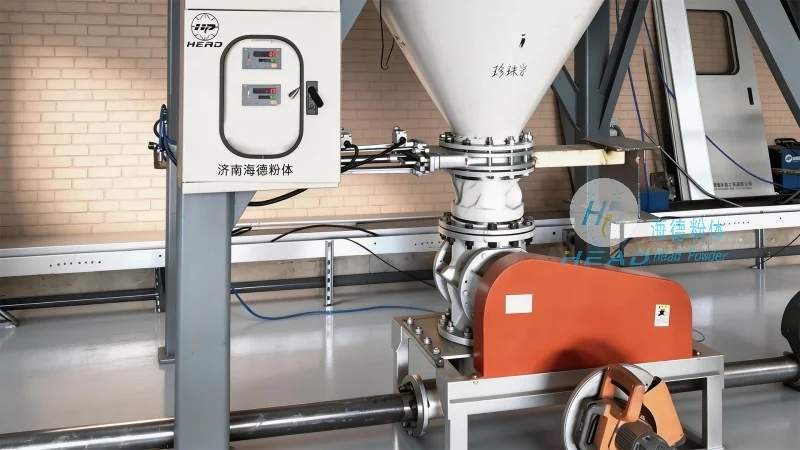
Ensuring Reliability and Longevity of the System
Reliability is a top priority when designing a pneumatic conveying system for polypropylene pellets. HeadPowder's systems are built with high-quality materials and components that are designed to withstand the rigors of continuous operation. The company uses durable materials such as stainless steel and high-grade plastics to ensure that the system can handle the abrasive nature of polypropylene pellets without degradation. Additionally, the system is designed with features such as automatic cleaning and maintenance reminders to minimize the risk of blockages and ensure long-term performance. By prioritizing reliability and longevity, HeadPowder helps its clients achieve consistent and efficient operation of their polypropylene pellet handling systems.
Conclusion: Choosing the Right Partner for Your Pneumatic Conveying Needs
Designing a reasonable polypropylene pellet pneumatic conveying system requires a combination of technical expertise, careful planning, and attention to detail. Shandong HeadPowder Engineering Co., Ltd. stands out as a reliable partner in this process, offering customized solutions that are tailored to the specific needs of each client. With its focus on quality, reliability, and customer satisfaction, HeadPowder helps businesses achieve efficient and cost-effective polypropylene pellet handling. By working with HeadPowder, clients can be confident that they are investing in a system that will meet their current and future needs, ensuring smooth operations and minimal downtime.