

How to Design a Reasonable Synthetic Fiber Pneumatic Conveying System Plan?
When it comes to designing an efficient and reliable synthetic fiber pneumatic conveying system, a systematic approach is essential. The process involves careful consideration of material properties, system requirements, and operational constraints to ensure optimal performance and longevity. This article provides a comprehensive guide to designing a reasonable synthetic fiber pneumatic conveying system plan, tailored to meet specific industrial needs.
Understanding Synthetic Fiber Pneumatic Conveying Systems
Synthetic fiber pneumatic conveying systems are widely used in various industries for transporting bulk materials like synthetic fibers, powders, and granules. These systems utilize air pressure to move materials through a pipeline network, offering advantages such as low maintenance, minimal product contamination, and the ability to handle delicate or abrasive materials. A well-designed system ensures consistent flow rates, reduces energy consumption, and minimizes downtime.
Key Design Considerations for Synthetic Fiber Systems
Several critical factors must be evaluated during the design phase. First, the physical and chemical properties of the synthetic fibers, including particle size, moisture content, and flowability, directly impact system performance. Second, the required conveying distance and throughput capacity dictate the choice of air velocity, pipeline diameter, and blower or vacuum system specifications. Third, the system layout, including the number of inlets and outlets, must be optimized to minimize pressure drops and ensure uniform material distribution.
System Components and Their Roles
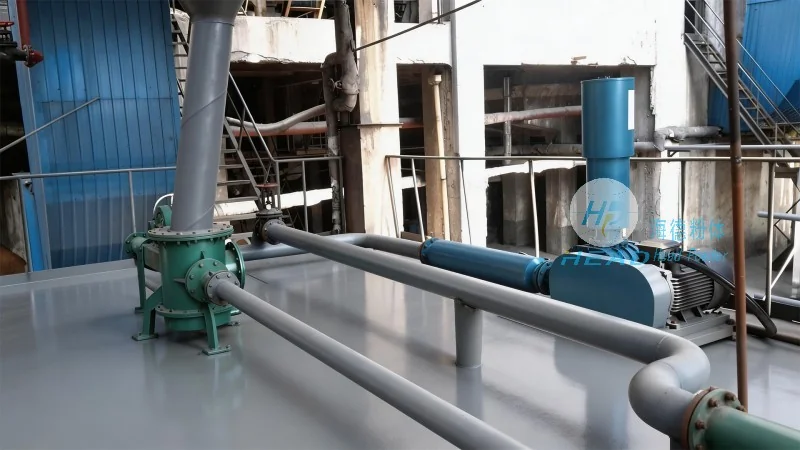
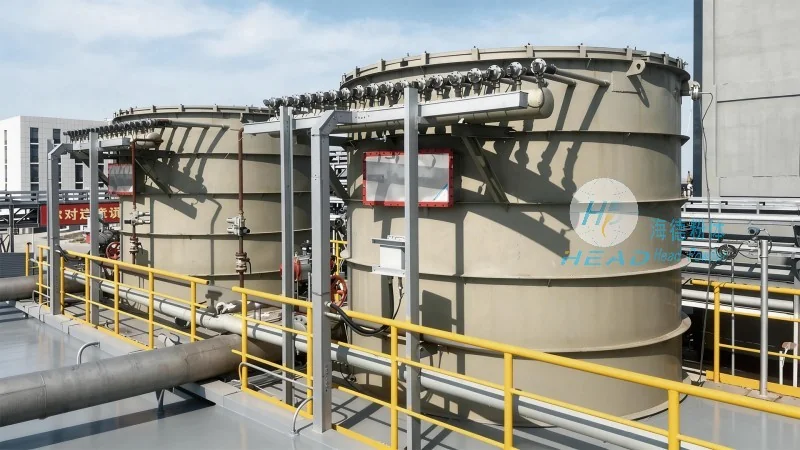
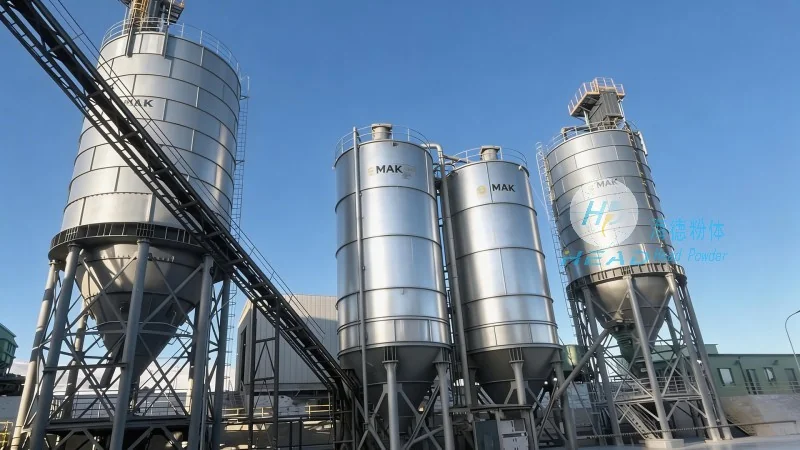
A synthetic fiber pneumatic conveying system typically consists of several key components. The blower or vacuum pump provides the necessary air pressure to move materials. The hopper or feeder ensures a consistent feed rate, preventing blockages and maintaining system stability. The pipeline network, often made of stainless steel or other corrosion-resistant materials, transports the material from the source to the destination. The receiver or silo collects the conveyed material, and control valves regulate the flow. Each component must be selected and sized appropriately to ensure the system operates efficiently and safely.
Design Process and Calculation Methods
The design process begins with gathering detailed information about the material to be conveyed. Engineers use this data to calculate the required air velocity, which is critical for maintaining material suspension and preventing deposition. The pressure drop through the pipeline is another key calculation, as it determines the power requirements of the blower. Computational fluid dynamics (CFD) and empirical formulas are commonly used to model the system and predict performance under different operating conditions. Iterative testing and adjustments are often necessary to fine-tune the design and achieve optimal results.
HeadPowder Engineering's Expertise in System Design
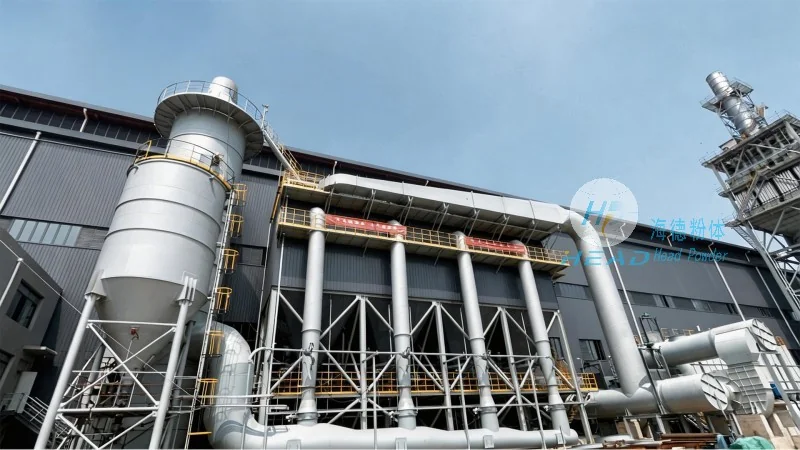
Shandong HeadPowder Engineering Co., Ltd., a leading provider of pneumatic conveying solutions, specializes in designing customized synthetic fiber systems. With years of experience and a team of skilled engineers, HeadPowder offers comprehensive design services tailored to client needs. The company considers all relevant factors, from material characteristics to operational requirements, to develop a system that meets or exceeds industry standards. HeadPowder's approach emphasizes efficiency, reliability, and cost-effectiveness, ensuring that clients receive a solution that is both effective and sustainable.
Implementation and Maintenance Considerations
Once the system is designed and manufactured, proper implementation and maintenance are crucial for long-term performance. Installation must follow best practices to ensure proper alignment and sealing of components. Regular maintenance, including cleaning of filters, checking for leaks, and inspecting for wear, helps prevent system failures and extends the life of the equipment. HeadPowder provides ongoing support and maintenance services to ensure that clients' systems operate at peak efficiency. By adhering to these practices, users can maximize the lifespan and performance of their synthetic fiber pneumatic conveying systems.