

The Operation Process and Working Principle of Rubber Powder Material Pneumatic Conveying
HeadPowder, a leading engineering solutions provider based in Shandong, China, specializes in the design and implementation of pneumatic conveying systems for rubber powder materials. This article explores the operation process and working principles of such systems, emphasizing the efficiency and reliability that define modern material handling in the rubber industry.
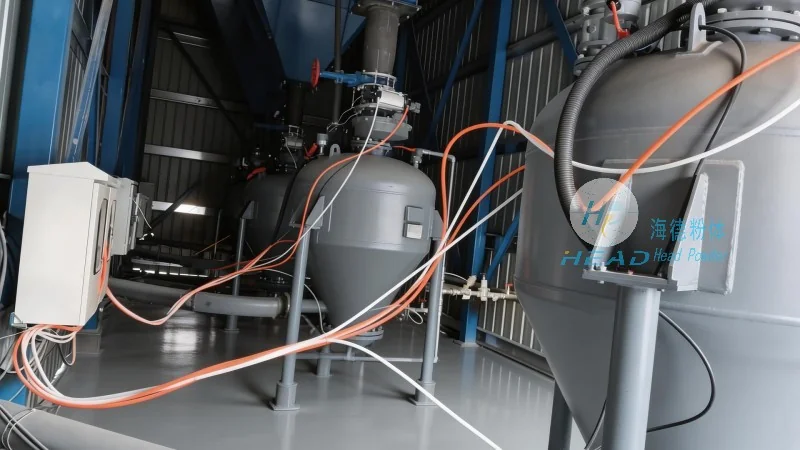
Introduction to Pneumatic Conveying of Rubber Powder Materials
Pneumatic conveying, also known as air conveying, is a technology that transports bulk materials like rubber powder through a pipeline using a stream of air. This method offers a clean, efficient, and flexible solution for moving materials within industrial environments. HeadPowder has extensive experience customizing pneumatic conveying systems tailored to the specific needs of rubber manufacturers, ensuring optimal performance and minimal downtime.
Working Principle of Pneumatic Conveying
The fundamental principle of pneumatic conveying involves creating a pressure differential within a closed pipeline system. By introducing compressed air or utilizing a vacuum, the system generates a flow that propels rubber powder particles forward. The air flow can be either positive pressure (air forced into the system) or negative pressure (air drawn out, creating a vacuum). For rubber powder applications, positive pressure systems are commonly preferred due to their ability to handle abrasive materials and maintain consistent flow rates.
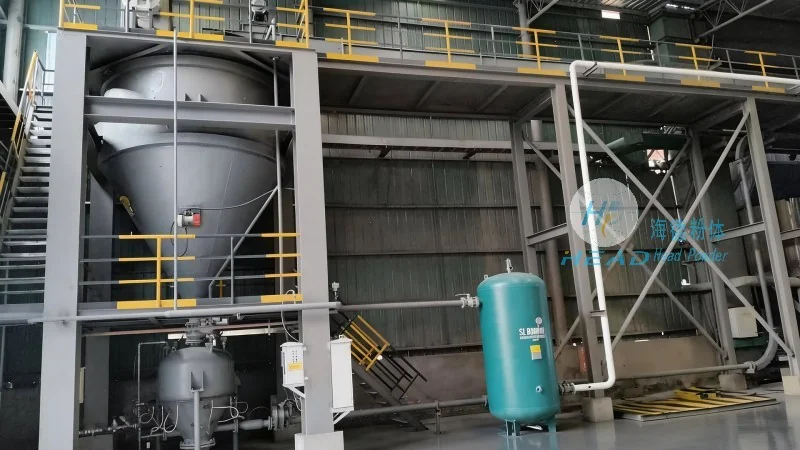
Operation Process of Rubber Powder Pneumatic Conveying
The operation process of a rubber powder pneumatic conveying system typically includes several key steps. First, rubber powder is fed into the system via a hopper or feeder, ensuring a consistent material supply. The feeder then transfers the powder into the conveying line, where it mixes with the air stream. As the air flows through the pipeline, it carries the rubber powder particles to the destination point. At the receiving end, a separator or cyclone separates the powder from the air, allowing the material to be discharged into a storage bin or processing equipment. The air, now free of powder, is either filtered and recycled or vented, depending on the system design.
Key Components and Their Functions
Several critical components work together to ensure smooth operation of a pneumatic conveying system for rubber powder. These include: 1. **Feeder/Inlet**: Introduces rubber powder into the conveying line with controlled flow. 2. **Conveying Pipeline**: The main channel, typically made of durable materials like stainless steel or plastic, to withstand abrasive rubber powder. 3. **Air Supply Unit**: Provides compressed air or vacuum to drive the conveying process, with adjustable pressure controls. 4. **Separator/Cyclone**: Separates rubber powder from the air stream at the end of the pipeline. 5. **Filter System**: Removes residual powder from recycled air before returning it to the system.
Advantages of Using Pneumatic Conveying for Rubber Powder
Implementing pneumatic conveying for rubber powder offers numerous advantages over traditional methods. These benefits include: 1. **High Efficiency**: Transports rubber powder over long distances with minimal energy consumption, reducing operational costs. 2. **Clean and Hygienic**: Minimizes dust and contamination, crucial for food-grade or pharmaceutical applications. 3. **Flexibility**: Easily reconfigured or expanded to accommodate production changes. 4. **Reduced Labor Costs**: Automated processes reduce manual labor needs, enhancing safety and productivity. 5. **Low Maintenance**: Fewer moving parts compared to mechanical conveyors, leading to lower maintenance and longer service lives.
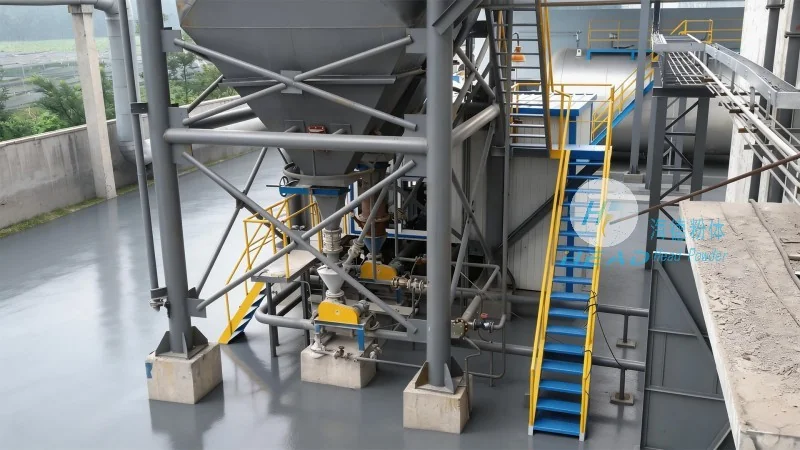
Application Scenarios in the Rubber Industry
Pneumatic conveying systems are widely used in various stages of rubber manufacturing. For example, in tire production, rubber powder is conveyed from storage silos to mixing equipment, ensuring consistent feed rates for rubber compounding. In rubber product manufacturing (e.g., rubber mats, seals), pneumatic conveying transports raw rubber powder to processing lines. Additionally, in recycling operations, these systems move recycled rubber powder from sorting facilities to reprocessing plants, supporting sustainable material handling.
Conclusion
HeadPowder Engineering Co., Ltd., based in Shandong, China, specializes in designing, manufacturing, and installing advanced pneumatic conveying systems for rubber powder materials. By leveraging air flow and material handling principles, these systems provide a reliable and efficient solution for transporting rubber powder in industrial settings. With a focus on customization and durability, HeadPowder ensures its systems meet the unique requirements of rubber manufacturers, enhancing productivity and operational efficiency. For businesses seeking to optimize material handling processes, pneumatic conveying remains a top choice, and companies like HeadPowder offer the expertise and technology to implement these systems successfully.