

The Operation Process and Working Principle of Cement Material Pneumatic Conveying
Understanding the operation process and working principle of cement material pneumatic conveying is crucial for optimizing material handling in industrial settings. This technology, widely used in the cement industry, offers efficient and reliable methods for transporting bulk materials like cement powder. In this article, we delve into the detailed mechanisms and operational steps involved in pneumatic conveying systems, highlighting the expertise of Shandong HeadPowder Engineering Co., Ltd., a leading provider of such solutions based in China.
Overview of Pneumatic Conveying Systems
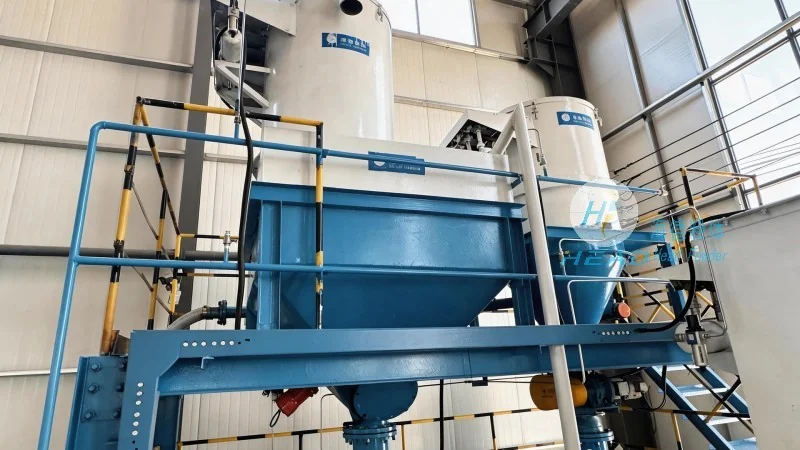
Pneumatic conveying systems utilize air or gas to transport solid materials through a pipeline. These systems are particularly effective for handling fine powders such as cement, where traditional mechanical conveyors may face challenges like material degradation or blockages. The core components of a typical pneumatic conveying system include a material hopper, a feeder, a conveying line, a receiver, and a dust collector. Each component plays a vital role in ensuring smooth and efficient material transport.
The Working Principle of Pneumatic Conveying
The fundamental principle behind pneumatic conveying is the creation of a pressure differential within the conveying line. By generating a high-pressure air stream, the system can lift and move the cement particles through the pipeline. There are two main types of pneumatic conveying: pressure and vacuum systems. Pressure systems operate by injecting high-pressure air into the conveying line from a blower or compressor, while vacuum systems use a vacuum pump to create a negative pressure that draws material from the source.
Key Operational Steps in Cement Material Pneumatic Conveying
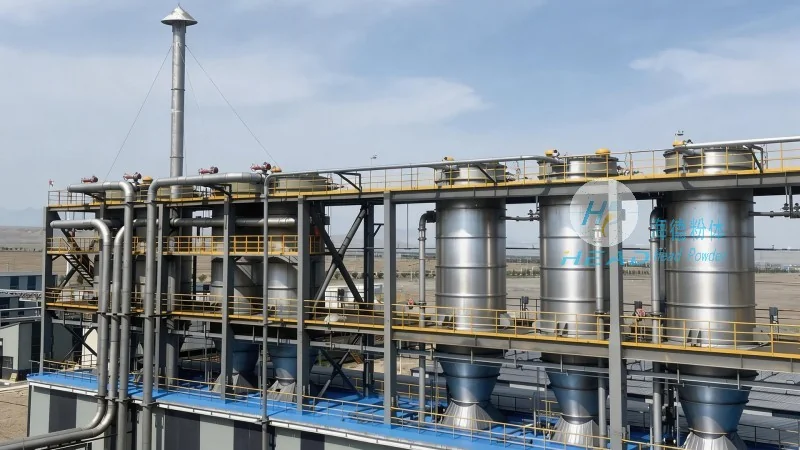
The operation process of cement material pneumatic conveying involves several sequential steps that ensure consistent and efficient material transport. First, the cement powder is stored in a hopper, which is designed to maintain a consistent material level. The feeder then regulates the flow of material into the conveying line, ensuring a controlled and steady supply. Next, the air is introduced into the system, either by a positive pressure blower or a vacuum pump, depending on the system configuration. The air stream then lifts the cement particles and propels them through the pipeline to the receiver. The receiver collects the material and may include a dust collection system to prevent airborne dust and ensure environmental compliance.
Benefits and Applications of Pneumatic Conveying in Cement Industry
Pneumatic conveying offers numerous advantages for cement material handling, including high efficiency, low maintenance requirements, and the ability to transport materials over long distances without the need for multiple transfer points. This technology is widely used in cement plants for transporting raw materials, finished cement products, and additives. The systems are also adaptable to various plant layouts and can be integrated with existing infrastructure, making them a versatile solution for industrial material handling needs.
Expertise of Shandong HeadPowder Engineering Co., Ltd.
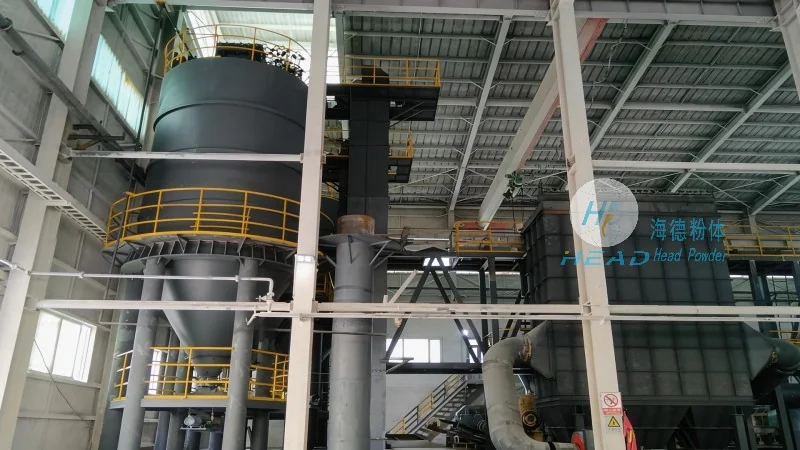
Shandong HeadPowder Engineering Co., Ltd. specializes in the design, manufacturing, and installation of pneumatic conveying systems tailored to the specific needs of the cement industry. With a deep understanding of material properties and conveying dynamics, the company provides customized solutions that enhance operational efficiency and reduce downtime. Based in China, the company leverages advanced engineering techniques and quality control measures to deliver reliable and durable systems that meet international standards. Their expertise in cement material handling ensures that clients receive optimized solutions that improve productivity and maintain product quality throughout the conveying process.
Conclusion
In conclusion, the operation process and working principle of cement material pneumatic conveying involve a sophisticated interplay of mechanical and pneumatic components designed to efficiently transport bulk materials. By understanding these principles and leveraging the expertise of companies like Shandong HeadPowder Engineering Co., Ltd., cement plants can achieve enhanced operational performance, reduced costs, and improved environmental compliance. The continuous advancement of pneumatic conveying technology ensures that it remains a vital component in modern industrial material handling, particularly in the cement industry.