

The Operation Process and Working Principle of Powder Material Pneumatic Conveying
Powder material pneumatic conveying systems represent a sophisticated and efficient method for transporting solid particles in industrial settings. These systems are widely adopted across various sectors, including chemical, food processing, pharmaceuticals, and mining, due to their ability to handle a diverse range of materials with minimal human intervention. Understanding the operation process and working principles of such systems is essential for optimizing material handling processes and enhancing overall operational efficiency.
About Shandong HeadPowder Engineering Co., Ltd.
Shandong HeadPowder Engineering Co., Ltd., commonly known as Headpowder, is a leading provider of specialized engineering solutions for powder handling and material transport. Headquartered in Shandong, China, the company has established itself as a trusted partner in the industry, delivering high-quality pneumatic conveying systems and related services. With a strong commitment to innovation and customer-centric approaches, Headpowder focuses on developing tailored solutions that meet the unique requirements of each client, ensuring reliable and efficient material handling.
The Operation Process of Pneumatic Conveying Systems
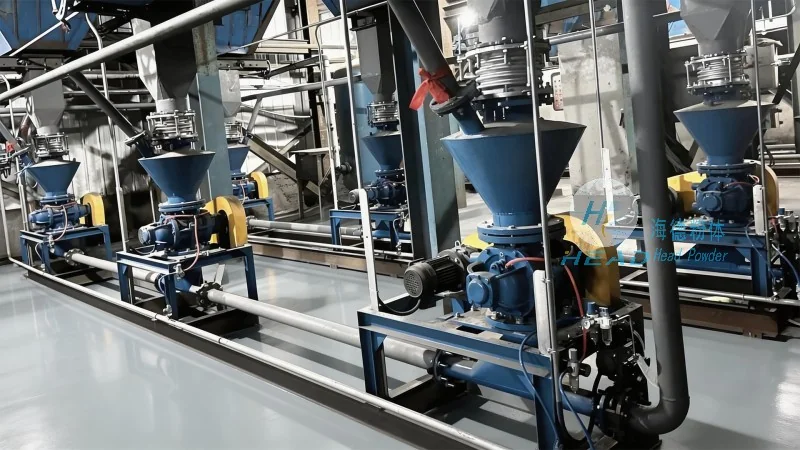
The operation of a pneumatic conveying system involves a systematic sequence of steps designed to move powder materials from the source to the destination. The process typically starts with the loading of the material into a hopper or feeder, where it is stored and prepared for transport. From the hopper, the material is drawn into the conveying line by a vacuum or pressure source, depending on the system configuration. In a pressure system, compressed air is introduced into the pipeline, creating a positive pressure that pushes the material forward. Conversely, a vacuum system uses a vacuum pump to create a negative pressure that pulls the material into the line. The material is then carried through the pipeline, often mixed with air or other gases, to the discharge point. Along the way, the system may incorporate components such as cyclones, filters, and silos to manage the material flow, separate particles from air, and collect the material at the destination.
Working Principle of Pneumatic Conveying
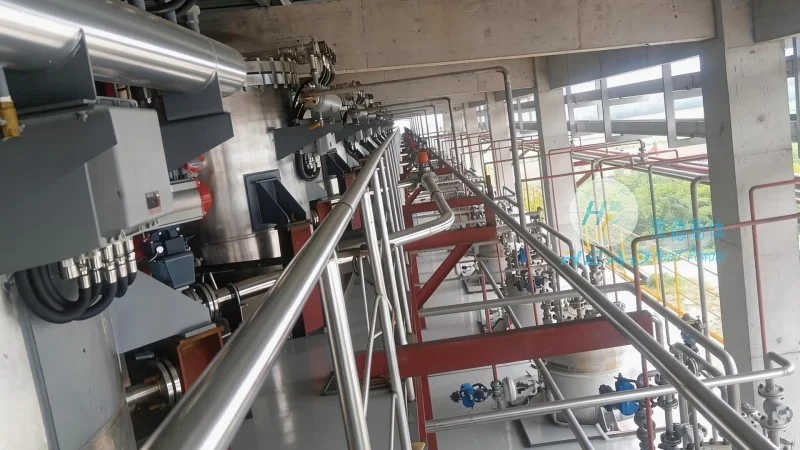
The fundamental working principle of pneumatic conveying relies on the interaction between solid particles and a moving gas stream. In both pressure and vacuum systems, the air or gas acts as the medium that propels the material. The velocity of the air and the size, shape, and density of the particles are critical factors that determine the efficiency of the conveying process. Proper design of the pipeline, including its diameter, length, and bends, is essential to maintain the required air velocity and prevent material deposition or blockages. The system's performance is also influenced by the type of air flow—whether it is continuous or intermittent—and the presence of any additives, such as lubricants or desiccants, to enhance material handling.
Key Features and Benefits of Pneumatic Conveying
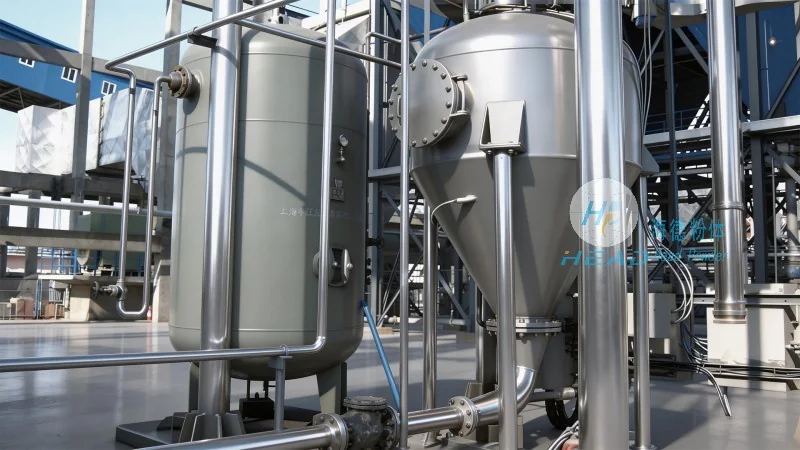
Pneumatic conveying systems offer several distinct advantages over traditional material handling methods. One of the primary benefits is the high efficiency in transporting materials over long distances with minimal energy consumption. Unlike mechanical conveyors, which rely on moving parts and friction, pneumatic systems use air to move particles, reducing wear and maintenance costs. Additionally, these systems provide better control over the material flow, allowing for precise dosing and dosing rates. This is particularly valuable in industries where accuracy and consistency are critical, such as pharmaceutical manufacturing or food processing. Another advantage is the enhanced safety aspect, as the systems eliminate the need for manual handling, reducing the risk of accidents and exposure to hazardous materials.
Applications and Industries Served
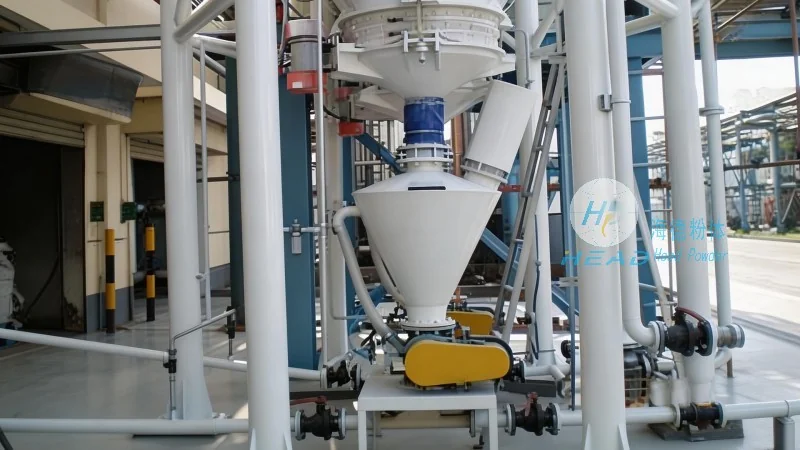
Headpowder's pneumatic conveying systems are versatile and can be applied to a wide range of industries and applications. In the chemical industry, they are used for transporting powders like cement, plastics, and pigments. The food and beverage sector utilizes these systems for handling ingredients like flour, sugar, and spices, ensuring hygienic and efficient processing. The pharmaceutical industry relies on pneumatic conveying for transporting active pharmaceutical ingredients (APIs) and other sensitive materials, maintaining strict contamination control. In the mining sector, these systems are employed to transport ore and other minerals from processing plants to storage facilities. The flexibility of the systems allows them to adapt to various production scales and material characteristics, making them suitable for both small-scale and large-scale operations.
Conclusion
Shandong HeadPowder Engineering Co., Ltd. specializes in the development and implementation of advanced pneumatic conveying systems that leverage cutting-edge technology to optimize material handling processes. By understanding the operation process and working principles of these systems, businesses can enhance their operational efficiency, reduce costs, and improve product quality. Headpowder's expertise in powder engineering and commitment to customer satisfaction ensure that clients receive tailored solutions that meet their specific needs, contributing to long-term success in their respective industries. With a focus on innovation and reliability, Headpowder continues to be a leading provider of pneumatic conveying solutions in China and beyond.